












Comprehensive Summarization:
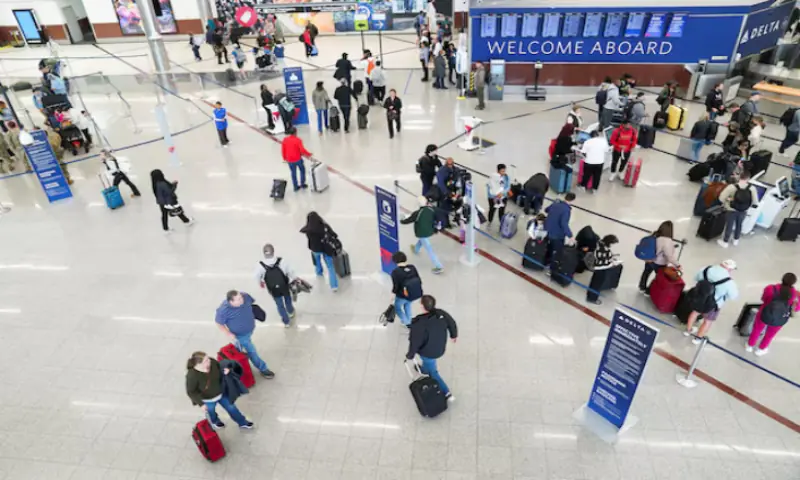
The article reports that US airlines have implemented travel waivers in response to a winter storm forecasted to bring heavy snow, sleet, and dangerous ice across two dozen states. The National Weather Service warns that the storm could lead to dangerous travel conditions, power outages, and tree damage in the Southeast, while heavier snow is expected in the north. AccuWeather predicts cold temperatures not seen since 2021. Delta Air Lines has already cancelled flights at select airports in five states due to the potential for airport operations slowdown, delays, cancellations, and rebooking complications. This situation is expected to result in thousands of flight cancellations over the weekend, one of the busiest travel periods.
Key Points:
- US airlines have rolled out travel waivers due to an impending winter storm forecasted to bring heavy snow, sleet, and ice across multiple states.
- The National Weather Service predicts dangerous travel conditions, including power outages and tree damage in the Southeast, and heavier snow in the north.
- AccuWeather forecasts cold temperatures not seen since 2021.
- Delta Air Lines has cancelled flights at select airports in five states due to the storm’s potential impact on airport operations, delays, and rebooking.
- The storm is expected to cause thousands of flight cancellations over the weekend, a busy travel period.
Actionable Takeaways:
-
Travel Waivers and Cancellations: Airlines are implementing travel waivers and cancelling flights in response to the winter storm, which could lead to significant disruptions for travelers. This highlights the importance of flexible booking policies and robust customer communication strategies in managing travel disruptions.
-
Impact on Travel Planning: The forecasted cold temperatures and heavy snowfall could significantly impact travel planning, especially for those traveling during the weekend. Travelers should consider alternative dates or routes, and airlines should provide clear guidance on rebooking and refunds to mitigate customer dissatisfaction.
-
Preparation for Extreme Weather: The article underscores the need for airlines and airports to prepare for extreme weather conditions. This includes having contingency plans for cancellations, delays, and rebooking, as well as ensuring operational readiness to handle increased passenger inquiries and support needs during such disruptions.
Contextual Insights:
The winter storm and its impact on US airlines reflect the broader challenges faced by the travel industry during severe weather events. The implementation of travel waivers and flight cancellations demonstrates the airlines’ proactive approach to managing disruptions, which is crucial in maintaining customer trust and satisfaction. This situation also highlights the importance of real-time communication and flexibility in travel planning, as travelers may need to adjust their itineraries due to unforeseen weather conditions. Furthermore, the forecasted cold temperatures and heavy snowfall could have implications for travel startups and fintech innovations, particularly in areas such as travel insurance, payment processing for rebooking fees, and customer support technologies. As the travel industry continues to evolve, staying ahead of such challenges through technological advancements and strategic planning will be key to ensuring resilience and customer satisfaction.
Read the Complete Article.



