












Article Summary:
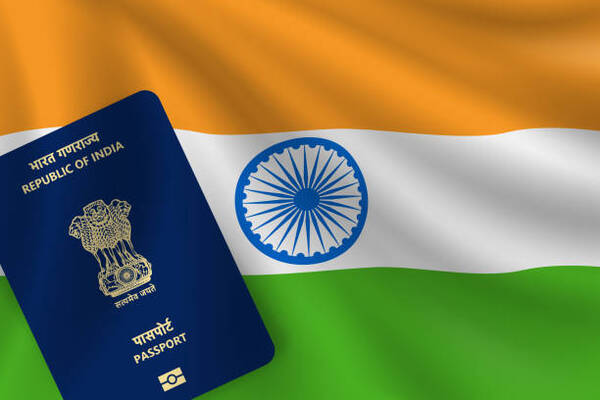
India has launched the e-Passport, a significant advancement in travel security and convenience. This new passport features an embedded chip that stores biometric data, enhancing safety by reducing the risk of fraud and expediting immigration checks. The introduction of this advanced travel document aims to streamline border processes, making international travel smoother and more secure for Indian citizens.
Key Points:
- The e-Passport features an embedded chip storing biometric data, enhancing security and reducing fraud risks.
- This innovation streamlines border processes, making international travel more efficient for Indian citizens.
- The launch of the e-Passport signifies India’s commitment to leveraging advanced digital technology for smarter travel experiences.
Actionable Takeaways:
- Enhanced Security Measures: The adoption of e-Passports with embedded biometric data represents a significant step forward in travel security. Travel agencies and immigration services should consider integrating similar biometric verification systems to bolster security protocols and reduce fraudulent activities.
- Streamlined Border Processes: The e-Passport’s capability to expedite immigration checks can lead to shorter wait times at borders. Travelers and border control agencies should explore adopting similar technologies to improve efficiency and enhance the overall travel experience.
- Global Acceptance and Market Expansion: As e-Passports become more widely accepted internationally, Indian citizens can expect smoother travel experiences when visiting other countries. Travel service providers should prepare for increased demand and potential market expansion by aligning their services with these new security standards.
Contextual Insights:
The launch of India’s e-Passport aligns with the broader trend of digital transformation in the travel industry. As biometric technology becomes more prevalent, it is crucial for stakeholders in the travel sector to stay abreast of these advancements. This development not only reflects India’s commitment to leveraging technology for enhanced security but also sets a precedent for other countries to follow. For travel startups and fintech innovators, this presents an opportunity to develop integrated solutions that leverage biometric data for seamless travel experiences. By adopting these technologies, the travel industry can address current security concerns while paving the way for future innovations in travel security and convenience.
Read the Complete Article.



