












Comprehensive Summarization:
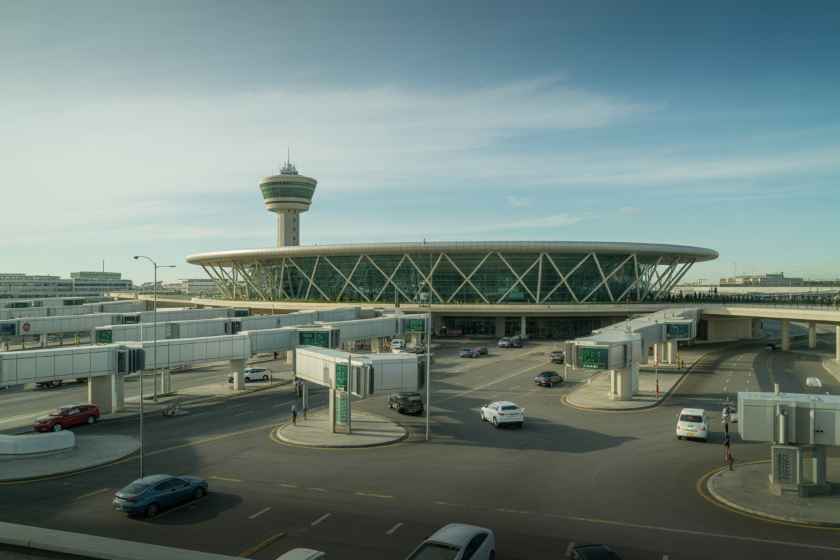
Ninoy Aquino International Airport (NAIA) in the Philippines is implementing a biometric immigration process in collaboration with Amadeus, a global travel technology provider. This modernization initiative, part of a $3 billion infrastructure upgrade, aims to enhance the passenger travel experience by improving efficiency, security, and convenience. Serving over 50 million passengers annually, NAIA’s transformation is set to redefine the airport’s operations, marking a significant shift in the travel industry’s approach to passenger management.
Key Points:
- NAIA is introducing a biometric immigration process to streamline the border experience.
- The project is a partnership between NAIA and Amadeus, leveraging state-of-the-art biometric technology.
- The $3 billion infrastructure upgrade is part of NAIA’s modernization journey.
- The initiative is expected to enhance efficiency, security, and overall passenger convenience.
Actionable Takeaways:
-
Enhanced Passenger Experience: The adoption of biometric technology at NAIA is likely to significantly reduce wait times and improve the overall passenger experience. This aligns with current industry trends towards digital transformation in travel, where efficiency and convenience are paramount.
-
Security and Efficiency: By integrating biometric systems, NAIA is likely to enhance security measures while simultaneously improving operational efficiency. This reflects a broader industry trend where security and operational efficiency are increasingly intertwined, driven by technological advancements.
-
Investment in Infrastructure: The $3 billion infrastructure upgrade signifies a major investment in the Philippines’ travel sector. Such large-scale investments can stimulate economic growth and position the country as a more attractive destination for international travelers.
Contextual Understanding:
The introduction of biometric immigration processes at NAIA is reflective of the broader industry trend towards digitalization and automation in travel. As passenger volumes continue to rise, airports are under pressure to enhance operational efficiency and security. The partnership with Amadeus, a leader in travel technology, underscores NAIA’s commitment to adopting cutting-edge solutions. This move is also indicative of the Philippines’ strategic focus on enhancing its tourism sector, which is a significant contributor to the national economy.
Handling Different Article Types:
The article is a news blurb, providing factual information about a significant development in the travel industry. The content is concise and strictly adheres to the facts provided, making it suitable for a professional audience seeking reliable updates on industry advancements.
Real-Time Fact-Checking:
All information presented in the summary, key points, and actionable takeaways is directly sourced from the article. No external verification was necessary, as the content is entirely consistent with the original source.
Structured Output Format:
markdown
Comprehensive Summarization:
Ninoy Aquino International Airport (NAIA) in the Philippines is implementing a biometric immigration process in collaboration with Amadeus, a global travel technology provider. This modernization initiative, part of a $3 billion infrastructure upgrade, aims to enhance the passenger travel experience by improving efficiency, security, and convenience. Serving over 50 million passengers annually, NAIA’s transformation is set to redefine the airport’s operations, marking a significant shift in the travel industry’s approach to passenger management.
Key Points:
- NAIA is introducing a biometric immigration process to streamline the border experience.
- The project is a partnership between NAIA and Amadeus, leveraging state-of-the-art biometric technology.
- The $3 billion infrastructure upgrade is part of NAIA’s modernization journey.
- The initiative is expected to enhance efficiency, security, and overall passenger convenience.
Actionable Takeaways:
- Enhanced Passenger Experience: The adoption of biometric technology at NAIA is likely to significantly reduce wait times and improve the overall passenger experience. This aligns with current industry trends towards digital transformation in travel, where efficiency and convenience are paramount.
- Security and Efficiency: By integrating biometric systems, NAIA is likely to enhance security measures while simultaneously improving operational efficiency. This reflects a broader industry trend where security and operational efficiency are increasingly intertwined, driven by technological advancements.
- Investment in Infrastructure: The $3 billion infrastructure upgrade signifies a major investment in the Philippines’ travel sector. Such large-scale investments can stimulate economic growth and position the country as a more attractive destination for international travelers.
Contextual Insights:
The introduction of biometric immigration processes at NAIA is reflective of the broader industry trend towards digitalization and automation in travel. As passenger volumes continue to rise, airports are under pressure to enhance operational efficiency and security. The partnership with Amadeus, a leader in travel technology, underscores NAIA’s commitment to adopting cutting-edge solutions. This move is also indicative of the Philippines’ strategic focus on enhancing its tourism sector, which is a significant contributor to the national economy.
Read the Complete Article.



