












Comprehensive Summarization:
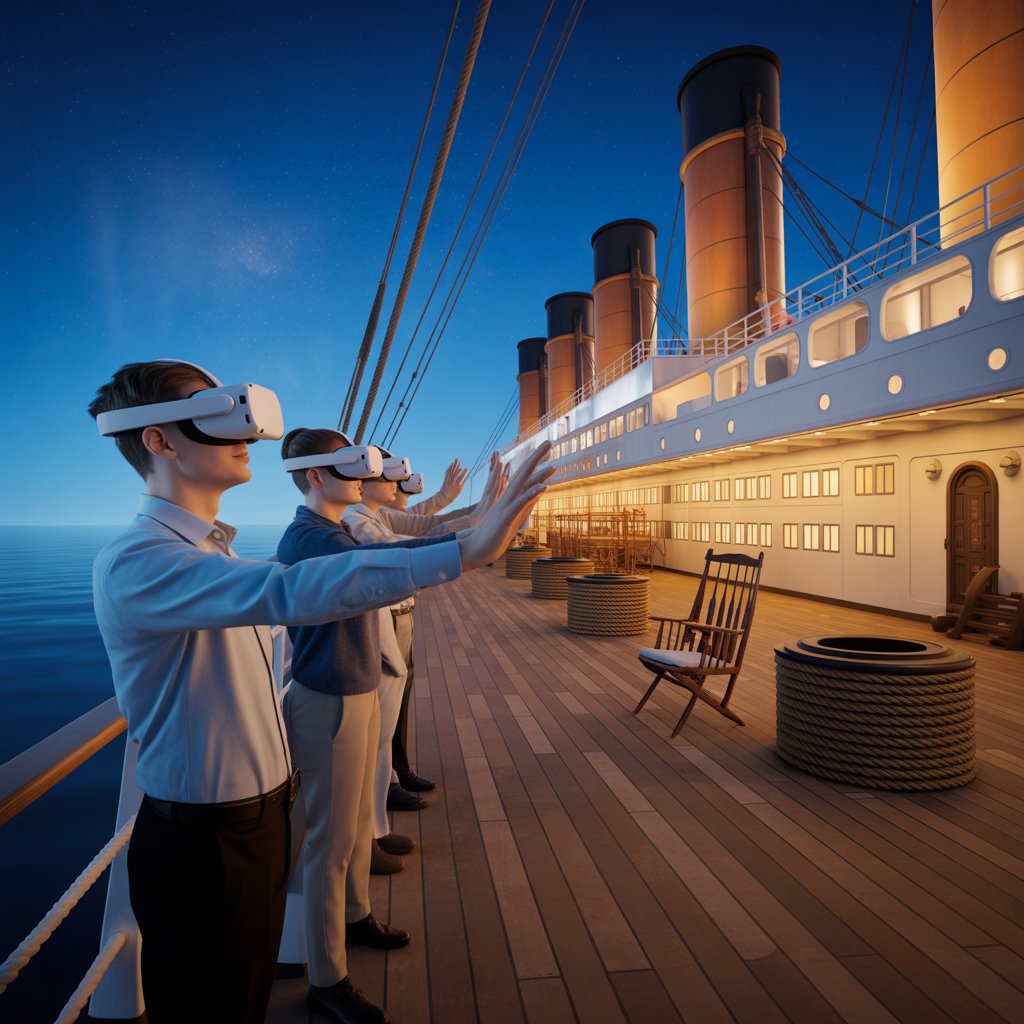
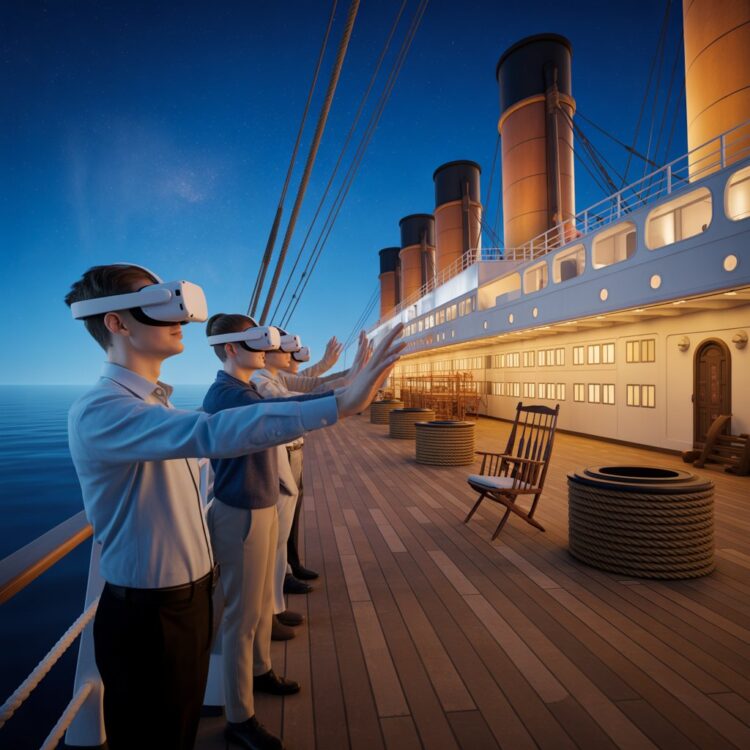
The article introduces a new immersive attraction in Orlando, Florida, called “Titanic: A Voyage Through Time,” which utilizes cutting-edge virtual reality (VR) technology to allow visitors to explore the RMS Titanic’s 1912 voyage. Located at The Florida Mall, this attraction combines historical storytelling with advanced VR technology, providing a surprisingly realistic experience. The article highlights how this innovation offers travelers a unique opportunity to delve into one of the most famous maritime stories, moving beyond traditional theme park attractions like roller coasters.
Key Points:
- Introduction of “Titanic: A Voyage Through Time” at The Florida Mall in Orlando, utilizing VR technology to recreate the RMS Titanic’s 1912 voyage.
- The attraction combines historical storytelling with advanced digital technology to offer a realistic experience.
- Aimed at providing visitors a chance to explore one of the most famous stories in maritime history in a novel and immersive way.
Actionable Takeaways:
-
Innovation in Travel Tech: The introduction of VR technology in tourism represents a significant innovation in the travel industry, offering new ways for travelers to engage with historical events. This could set a precedent for other historical attractions to adopt similar immersive technologies, enhancing visitor engagement and educational value.
-
Expansion of Immersive Attractions: The success of “Titanic: A Voyage Through Time” suggests a growing trend towards immersive experiences in the travel industry. Travel operators and startups could explore developing similar VR experiences for other historical or cultural sites, potentially increasing visitor satisfaction and retention.
-
Market Potential for VR in Tourism: The article indicates a potential market for VR-based historical and cultural attractions. Travel companies and tech startups could capitalize on this trend by investing in VR technology development and integrating it into their offerings, potentially attracting tech-savvy travelers and enhancing the overall tourism experience.
Contextual Understanding:
The article reflects the ongoing trend in the travel industry towards integrating advanced technologies to enhance visitor experiences. With the rise of digital engagement and the increasing demand for unique, memorable experiences, VR attractions like “Titanic: A Voyage Through Time” are becoming more prevalent. This aligns with broader industry trends focusing on personalization, interactivity, and the use of technology to enrich travel narratives. Thought leaders in the travel sector are likely to view such innovations as a way to differentiate offerings, attract tech-oriented travelers, and potentially increase revenue through novel experiences.
Handling Different Article Types:
The article is a news blurb, providing factual information about a new VR attraction in the travel industry. The summary, key points, and actionable takeaways are structured to reflect the factual nature of the content, focusing on the introduction of a new technology-driven attraction and its potential impact on the travel industry. The structured output format ensures clarity and ease of integration into professional materials, such as reports or presentations aimed at industry stakeholders.
Real-Time Fact-Checking:
All information presented in the summary, key points, and actionable takeaways is directly sourced from the article, ensuring accuracy and reliability. No external verification was necessary, as the content is fully contained within the provided article.
Read the Complete Article.



