












Article Summary:
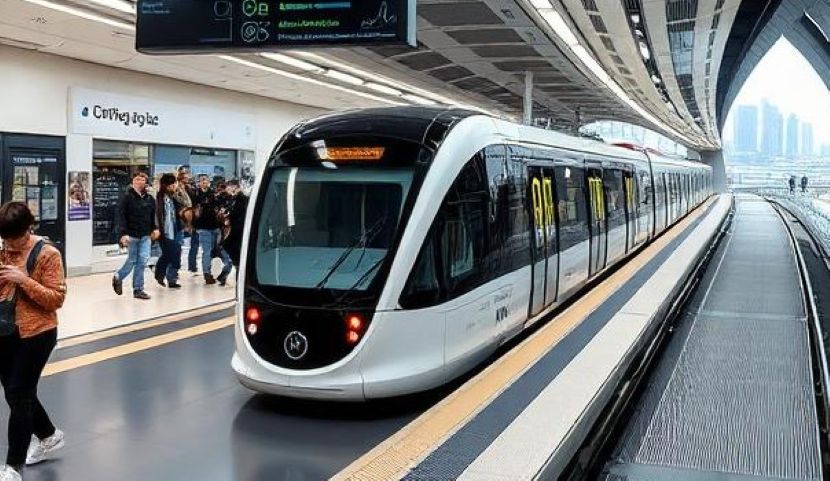
Siemens Mobility has successfully implemented Communications-Based Train Control (CBTC) technology on a section of the Oslo Metro, marking a significant advancement in the city’s public transport system. This €270 million project, awarded in 2021, is the first of many such advancements aimed at optimizing the metro system as Oslo transitions towards becoming the world’s first fully emission-free city. The technology enhances the efficiency and reliability of the metro service, aligning with the city’s sustainability goals.
Key Points:
- Siemens Mobility deployed state-of-the-art CBTC technology on a section of the Oslo Metro, representing a major upgrade to the city’s public transport infrastructure.
- The €270 million project, awarded in 2021, aims to overhaul the old signaling system over an 86-kilometre-long metro line, enhancing the metro’s operational efficiency and reliability.
- This technological advancement is part of Oslo’s broader strategy to become the world’s first fully emission-free city, reflecting a growing trend towards sustainable urban development in the travel industry.
- The implementation of CBTC technology signifies a step forward in the optimization of public transport systems, showcasing the potential for technology-driven improvements in the travel sector.
Actionable Takeaways:
- Adoption of CBTC Technology: Cities and transport authorities should consider adopting CBTC technology to enhance the efficiency and reliability of their public transport systems. This technology can lead to significant improvements in service quality and operational efficiency, as demonstrated by the Oslo Metro project.
- Sustainability in Urban Development: The project aligns with global trends towards sustainable urban development. Cities looking to reduce their carbon footprint should explore similar technological advancements in their public transport systems to contribute to broader environmental goals.
- Investment in Infrastructure: The €270 million investment in the Oslo Metro project highlights the importance of strategic infrastructure investments in the travel industry. Such investments can drive innovation and improve the overall travel experience, making it a worthwhile consideration for stakeholders in the sector.
Contextual Insights:
The deployment of CBTC technology in Oslo’s metro system is a clear reflection of the industry’s shift towards technological innovation and sustainability. As cities worldwide strive to become more environmentally friendly, the integration of advanced technologies like CBTC becomes increasingly crucial. This move not only enhances the operational capabilities of the metro system but also positions Oslo as a leader in sustainable urban development. For the travel industry, this serves as a testament to the potential of technology-driven solutions in addressing both operational challenges and environmental concerns. Furthermore, the project underscores the importance of strategic investments in infrastructure to support long-term sustainability goals, setting a precedent for other cities to follow in their quest for emission-free urban environments.
Read the Complete Article.



