








Sail Through Time: Discover the Timeless Wonders of Upper Egypt Aboard Kenzy Dahabeya
Experience the magic of the Nile aboard Kenzy Dahabeya, a luxury boutique sailing cruise that offers an unforgettable journey between...
Read moreDetails
United States Joins Spain, France, China and Thailand in Global Tourism Surge Driven by Blockchain‑E...
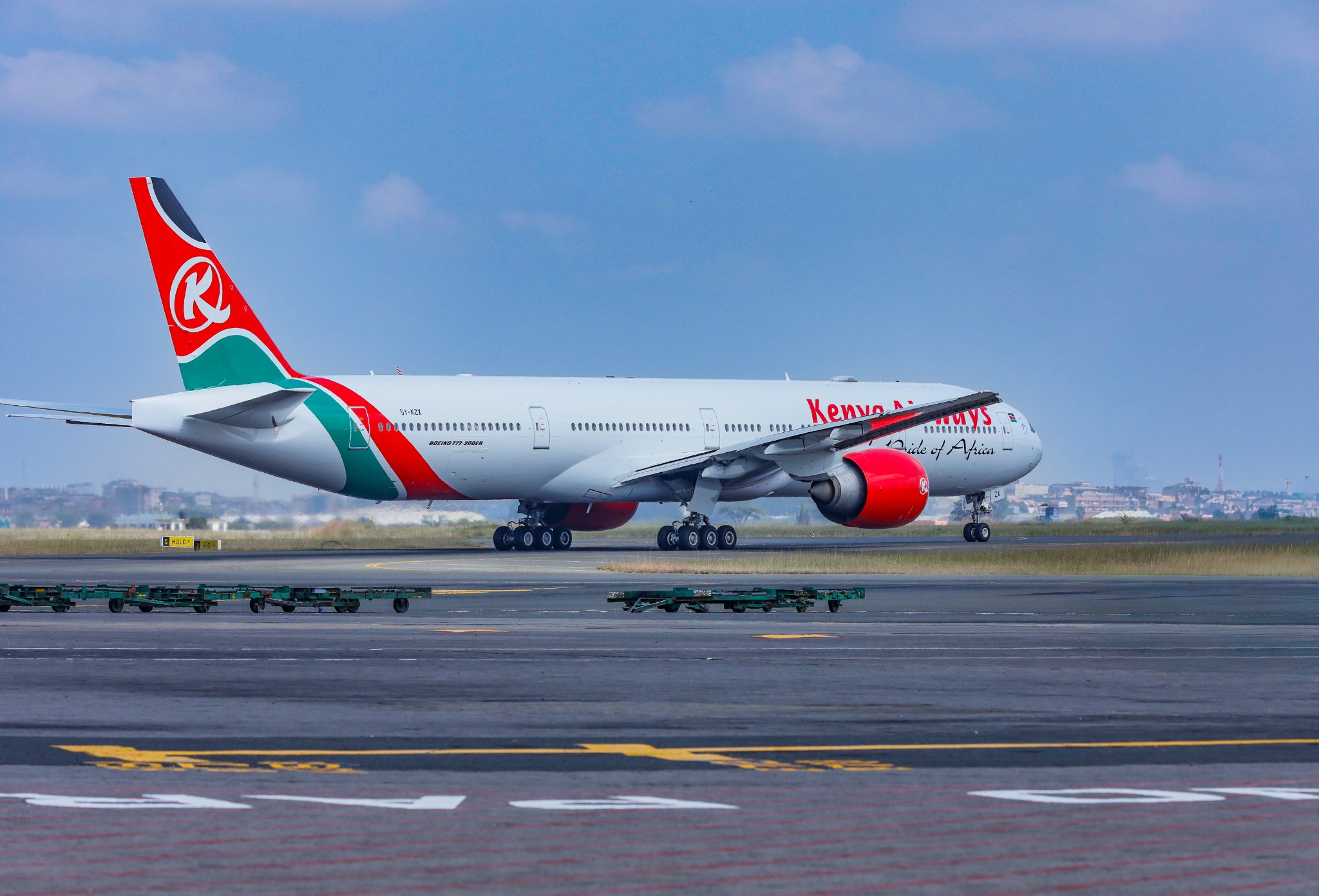
THE NEWS: The United States has joined Spain, France, China and Thailand in a global tourism surge driven by blockchain‑enabled payments, as airlines, hotels and other tourism sectors adopt cryptocurrencies.
DETAILS:
WHY IT MATTERS:
FAQ
Which countries are cited as part of the blockchain‑enabled tourism surge?
The article names the United States, Spain, France, China and Thailand as the five countries that have joined a global tourism surge driven by the adoption of blockchain‑enabled payments, indicating these nations are collectively experiencing increased travel activity as airlines and hotels embrace digital currencies.
What digital currencies are now accepted by major airlines and hospitality chains?
According to the article, major airlines and hospitality chains in the United States and other leading markets have begun accepting the digital currencies Bitcoin and Ethereum, allowing travelers to pay for flights, hotel stays and other services directly with these cryptocurrencies.
How does blockchain technology benefit travelers, according to the article?
The article states that blockchain technology offers tourists secure, fast and transparent payment options that bypass traditional banks and avoid the high fees typically associated with currency conversion and international transactions, thereby making the travel experience more seamless and cost‑effective for consumers.
Read Original Article.
Experience the magic of the Nile aboard Kenzy Dahabeya, a luxury boutique sailing cruise that offers an unforgettable journey between...
Read moreDetails



