Adalte launches travel distribution platform for global agencies
Adalte single platform unifies its tech, marketplace and partner tools, streamlining multi‑day tour bookings and boosting global expansion
Read moreDetailsEvery alert that matters — when it happens.
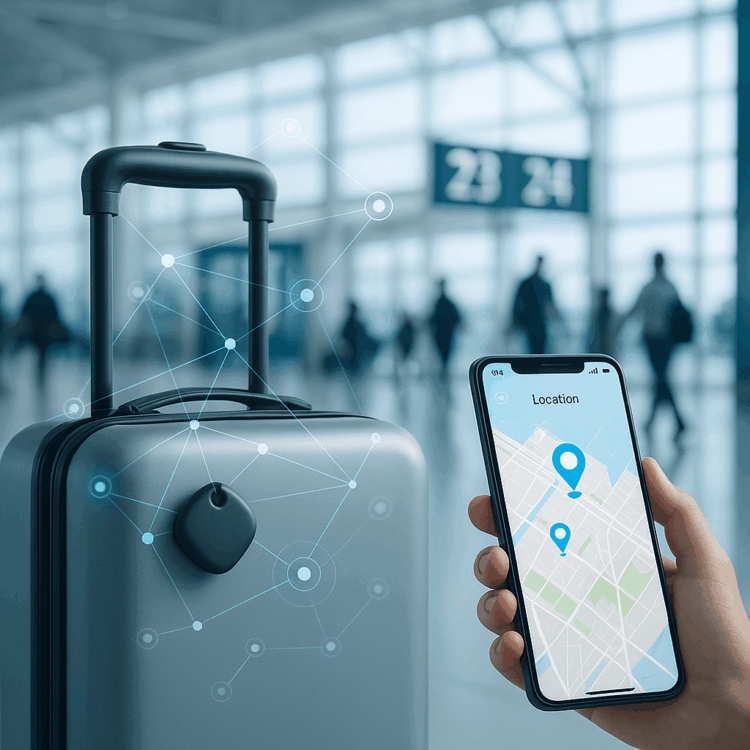
Samsung Partners Turkish Airlines for SmartTag Baggage Tracking
Article Summary:
Samsung and Turkish Airlines have launched a Smart Tagged Baggage Service utilizing Samsung’s Galaxy SmartTag2 devices. This service leverages Samsung’s SmartThings Find network, which is backed by 700 million Galaxy devices globally, to help passengers track their luggage. Passengers can attach photos of their bags to expedite recovery. Samsung plans to expand this program to other airlines beyond the Turkish Airlines pilot.
Key Points:
Actionable Takeaways:
Contextual Insights:
The launch of the Smart Tagged Baggage Service by Samsung and Turkish Airlines is a testament to the ongoing integration of IoT technology in the travel industry. With the increasing reliance on digital solutions for enhancing travel experiences, such innovations are becoming essential for airlines to stay competitive. The use of 700 million Galaxy devices for tracking luggage underscores the widespread adoption and influence of Samsung’s ecosystem in facilitating such services. As the travel industry continues to evolve, we can expect more airlines to adopt similar IoT-driven solutions, leading to more efficient, transparent, and customer-centric baggage management systems. This trend also highlights the potential for startups and fintech companies to develop complementary services that integrate with such IoT platforms, further enhancing the travel experience.
Read the Complete Article.
Adalte single platform unifies its tech, marketplace and partner tools, streamlining multi‑day tour bookings and boosting global expansion
Read moreDetails

Experience the magic of the Nile aboard Kenzy Dahabeya, a luxury boutique sailing cruise that offers an unforgettable journey between...
Read moreDetails