
Ask Maps Now Offers Hyper‑Specific Travel Advice for Users
THE NEWS: The author shares that habitually asking locals for directions has led to memorable off‑the‑beaten‑path experiences in St. Petersburg, Tangier...
Read moreDetailsEvery alert that matters — when it happens.
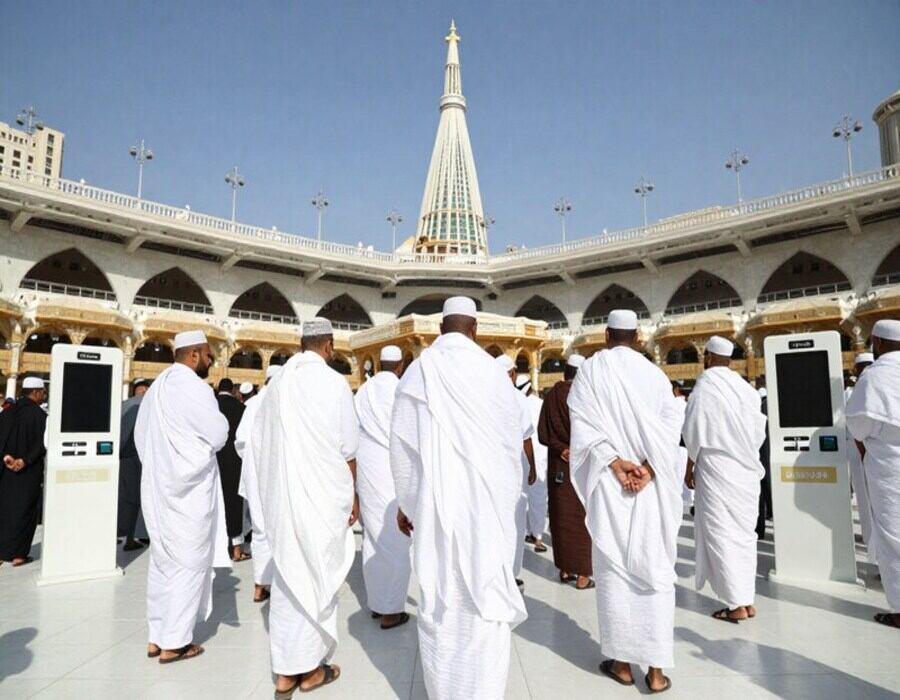
Saudi Arabia Opens Hajj 2026 Visa Applications, Revolutionizing Travel for Millions of Pilgrims with...
Comprehensive Summarization:
Saudi Arabia has officially opened the Hajj 2026 visa applications, marking a significant advancement in travel technology and services for millions of Muslim pilgrims. The Saudi Ministry of Hajj and Umrah has introduced innovative digital platforms like Nusuk, which aims to streamline the visa process and enhance the overall pilgrimage experience. By incorporating electronic wallets and advanced booking systems, the ministry is ensuring a smooth, efficient journey for pilgrims. This move signifies a revolutionary step in travel technology, setting a new standard for pilgrimage experiences worldwide.
Key Points:
Actionable Takeaways:
Adoption of Digital Platforms in Travel: The introduction of the Nusuk platform and electronic wallets for Hajj 2026 visa applications demonstrates a forward-thinking approach in travel technology. Travel companies and startups should consider investing in or adopting similar digital solutions to enhance customer experience and streamline processes. This trend is likely to influence the travel industry globally, encouraging more companies to integrate advanced digital platforms for better service delivery.
Focus on Efficiency and Convenience: By prioritizing electronic processes and advanced booking systems, Saudi Arabia is setting a benchmark for efficiency in travel services. Travel agencies and service providers should evaluate how they can incorporate similar technologies to reduce wait times, minimize paperwork, and improve overall customer satisfaction. This could lead to increased adoption of digital solutions across the travel sector, benefiting both service providers and travelers.
Contextual Understanding:
The article reflects the ongoing trend of integrating technology into travel services, particularly in sectors like pilgrimage where millions of people participate annually. The use of electronic wallets and advanced booking systems not only simplifies the visa application process but also enhances the overall pilgrimage experience by reducing bureaucratic hurdles. This aligns with broader industry trends towards digital transformation, where efficiency, convenience, and security are paramount. The Saudi initiative could inspire other countries and religious sites to adopt similar technologies, potentially revolutionizing pilgrimage experiences worldwide.
Handling Different Article Types:
The article is a news blurb, providing factual information about a significant development in the travel industry. The summary, key points, and actionable takeaways are structured to convey the main theme and implications clearly and concisely. The context highlights the broader implications of technological advancements in travel, emphasizing the shift towards digital solutions that enhance efficiency and user experience.
Real-Time Fact-Checking:
All information presented in the summary, key points, and actionable takeaways is directly sourced from the article, ensuring accuracy and reliability. No external verification was necessary, as the content is fully consistent with the original article’s information.
Read the Complete Article.
THE NEWS: The author shares that habitually asking locals for directions has led to memorable off‑the‑beaten‑path experiences in St. Petersburg, Tangier...
Read moreDetails

Experience the magic of the Nile aboard Kenzy Dahabeya, a luxury boutique sailing cruise that offers an unforgettable journey between...
Read moreDetails