












Article Summary:
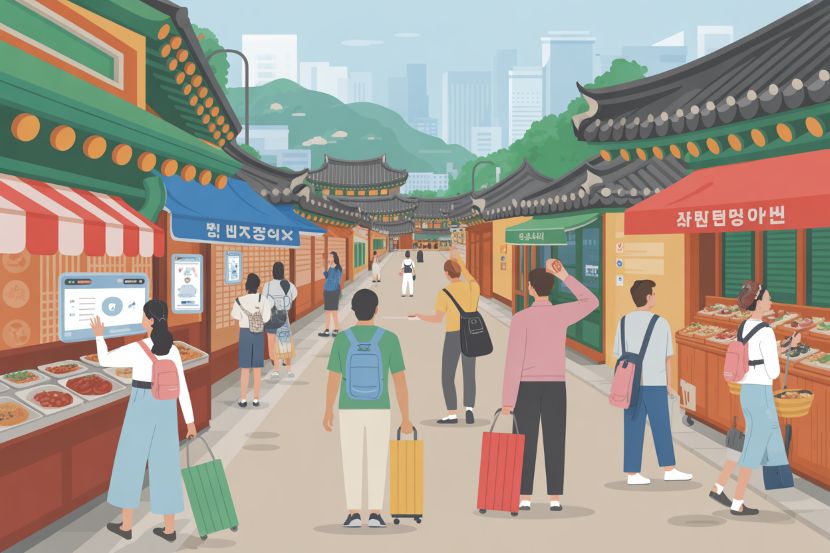
South Korea is preparing for a significant transformation in its tourism sector in 2026, focusing on merging emotional travel experiences, luxury, and sustainability in key cities like Seoul, Gyeongju, and Jeju. This shift is driven by the integration of technology, a renewed emphasis on human connection, and an enhanced understanding of local culture. The Korea Tourism Organization (KTO) predicts a new era of tourism where high-tech innovation coexists with personal interactions, luxury, and meaningful travel experiences. This comprehensive approach aims to redefine the travel ecosystem, blending advanced technological solutions with the rich cultural heritage of South Korea.
Key Points:
-
Integration of Technology and Emotional Travel: The article highlights the convergence of advanced technology with the desire for emotionally fulfilling travel experiences. This integration is set to redefine how tourists engage with destinations, emphasizing personal connections and meaningful interactions over mere sightseeing.
-
Emphasis on Luxury and Sustainability: There is a clear focus on luxury experiences that are also sustainable. This dual focus ensures that tourists can enjoy high-end amenities while also contributing to the preservation of South Korea’s natural and cultural landscapes.
-
Focus on Key Cities: The transformation is particularly targeted at major cities such as Seoul, Gyeongju, and Jeju. These locations are chosen for their rich cultural heritage, technological infrastructure, and potential to showcase innovative travel experiences.
-
Korea Tourism Organization’s Forecast: The Korea Tourism Organization (KTO) has forecasted this new era of tourism, indicating a shift towards a more holistic and integrated travel experience that balances technological advancement with cultural and environmental values.
Actionable Takeaways:
-
Embrace Technology for Enhanced Travel Experiences: Travel companies should invest in technology that enhances emotional connections and personalization in travel. This could include AI-driven personalization tools, virtual reality previews of destinations, and interactive travel guides that offer deeper insights into local culture and history.
-
Prioritize Sustainable Luxury: There is a clear opportunity for travel businesses to focus on luxury experiences that are also sustainable. This could involve partnering with eco-friendly accommodations, offering carbon-neutral travel options, and promoting cultural heritage sites that are preserved through sustainable tourism practices.
-
Target Key Cities for Innovation: Companies should prioritize cities like Seoul, Gyeongju, and Jeju for implementing these new travel experiences. These cities offer the necessary infrastructure and cultural richness to serve as testbeds for innovative travel solutions, potentially setting trends for other destinations in the region.
Contextual Insights:
The article reflects the current trend in the travel industry towards integrating technology with traditional travel experiences. This shift is driven by changing consumer expectations, where travelers increasingly seek personalized, meaningful, and sustainable experiences. The emphasis on emotional travel and luxury aligns with the growing demand for unique, high-quality experiences that offer both comfort and cultural enrichment. Furthermore, the focus on key cities like Seoul, Gyeongju, and Jeju underscores the importance of leveraging existing infrastructure and cultural assets to drive innovation in tourism. As the travel industry continues to evolve, these insights suggest a promising future for destinations that successfully blend technological advancements with cultural and environmental values.
Read the Complete Article.



