







Sail Through Time: Discover the Timeless Wonders of Upper Egypt Aboard Kenzy Dahabeya
Experience the magic of the Nile aboard Kenzy Dahabeya, a luxury boutique sailing cruise that offers an unforgettable journey between...
Read moreDetails
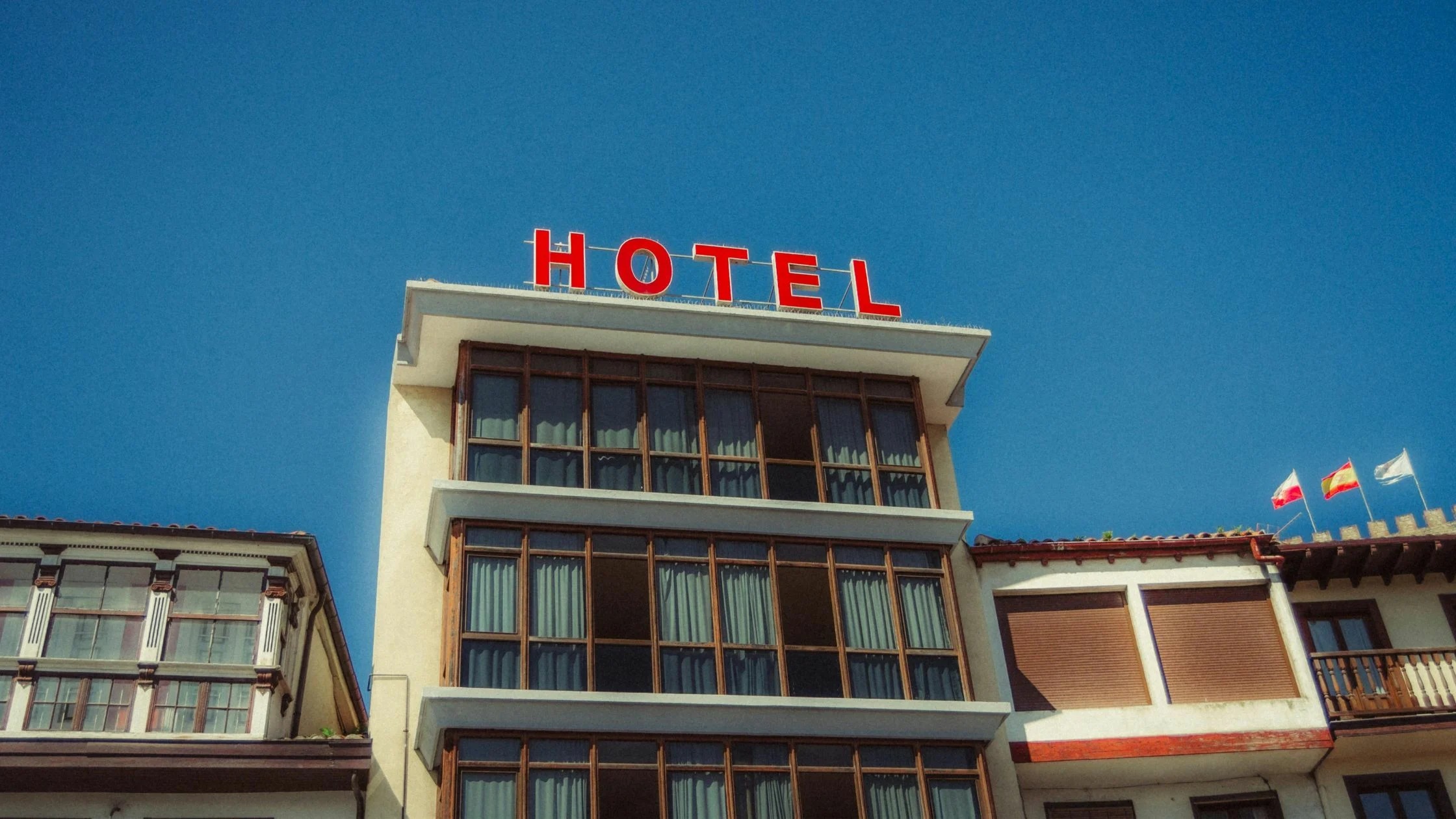
Southeast Asia Hotels Are Stuck in 2015 Tech
Da Nang, Vietnam — August 14, 2025
In short: Vietnam’s luxury travel sector surpassed $3.2 billion in 2025.
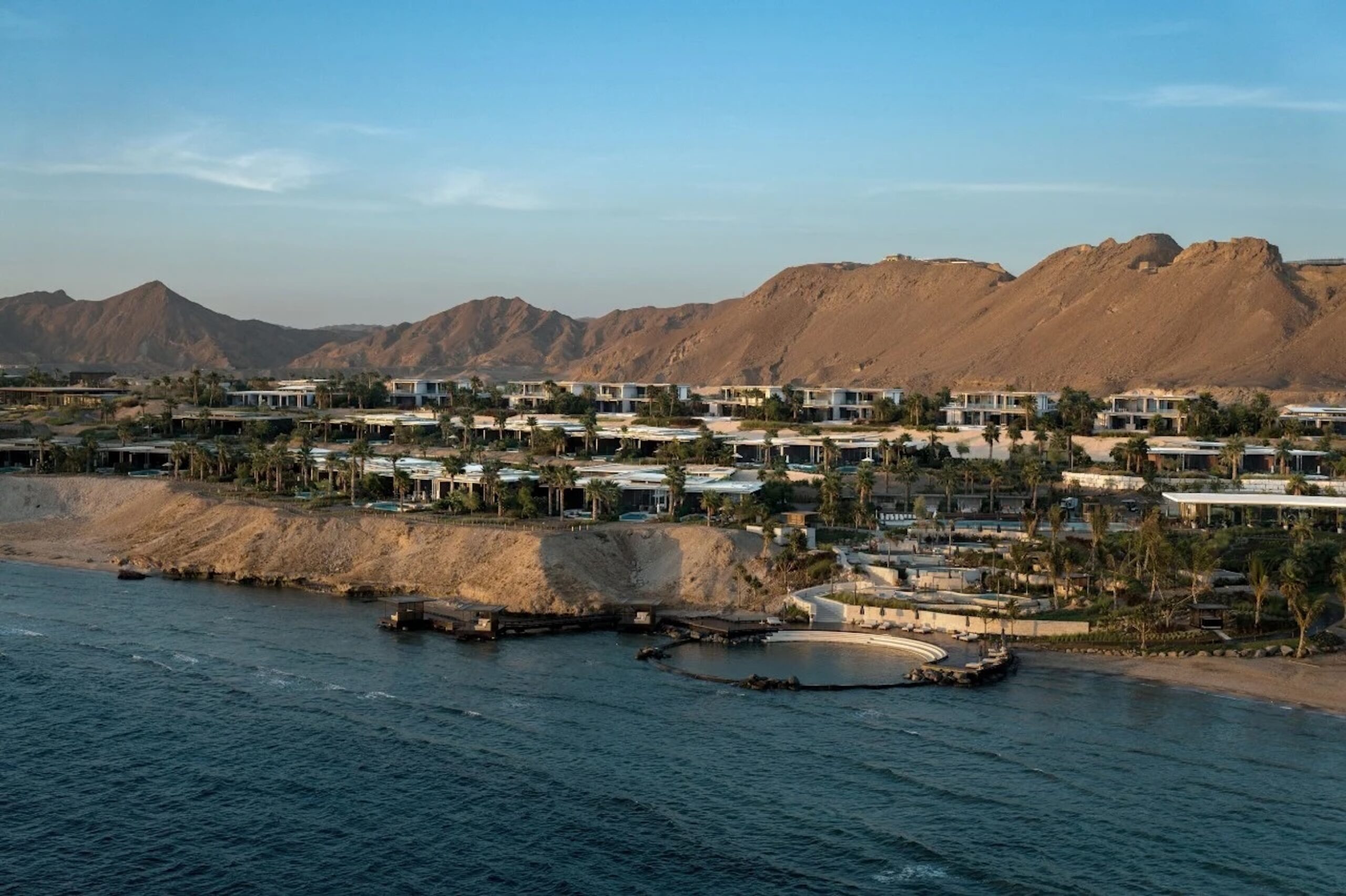
According to industry reports, Vietnam’s luxury travel market reached $3.2 billion in 2025, marking a significant milestone in Southeast Asia’s travel boom. The surge is driven by record arrivals in key destinations such as Bali, Phuket, and Da Nang, with many independent hotels still relying on outdated software systems, potentially costing them operational efficiency.
This growth underscores the rapid expansion of luxury travel in the region, a trend that has seen hotel room additions outpace any other global region between 2018 and 2024. While major players like Thailand and Bali are experiencing unprecedented demand, the technology gap among independent hotels highlights a critical area for improvement in the sector.
For TMCs and hotel operators managing luxury accounts in Southeast Asia, the shift towards luxury travel in Vietnam presents both opportunities and challenges. The reliance on legacy technology among smaller hotels suggests a need for investment in modern systems to enhance service delivery and operational efficiency.
What is Vietnam’s luxury travel sector?
The luxury travel sector in Vietnam refers to high-end travel services and accommodations catering to affluent travelers, including upscale hotels, exclusive tours, and premium travel experiences.
Which travel trade segments does this affect?
This primarily affects independent hotels and travel management companies (TMCs) operating in luxury travel segments within Southeast Asia, as they are more likely to be using outdated technology.
When does this take effect?
The data reflects the sector’s performance in 2025, with the technology gap being an ongoing issue.
Read complete article.
Experience the magic of the Nile aboard Kenzy Dahabeya, a luxury boutique sailing cruise that offers an unforgettable journey between...
Read moreDetails



