












Comprehensive Summarization:
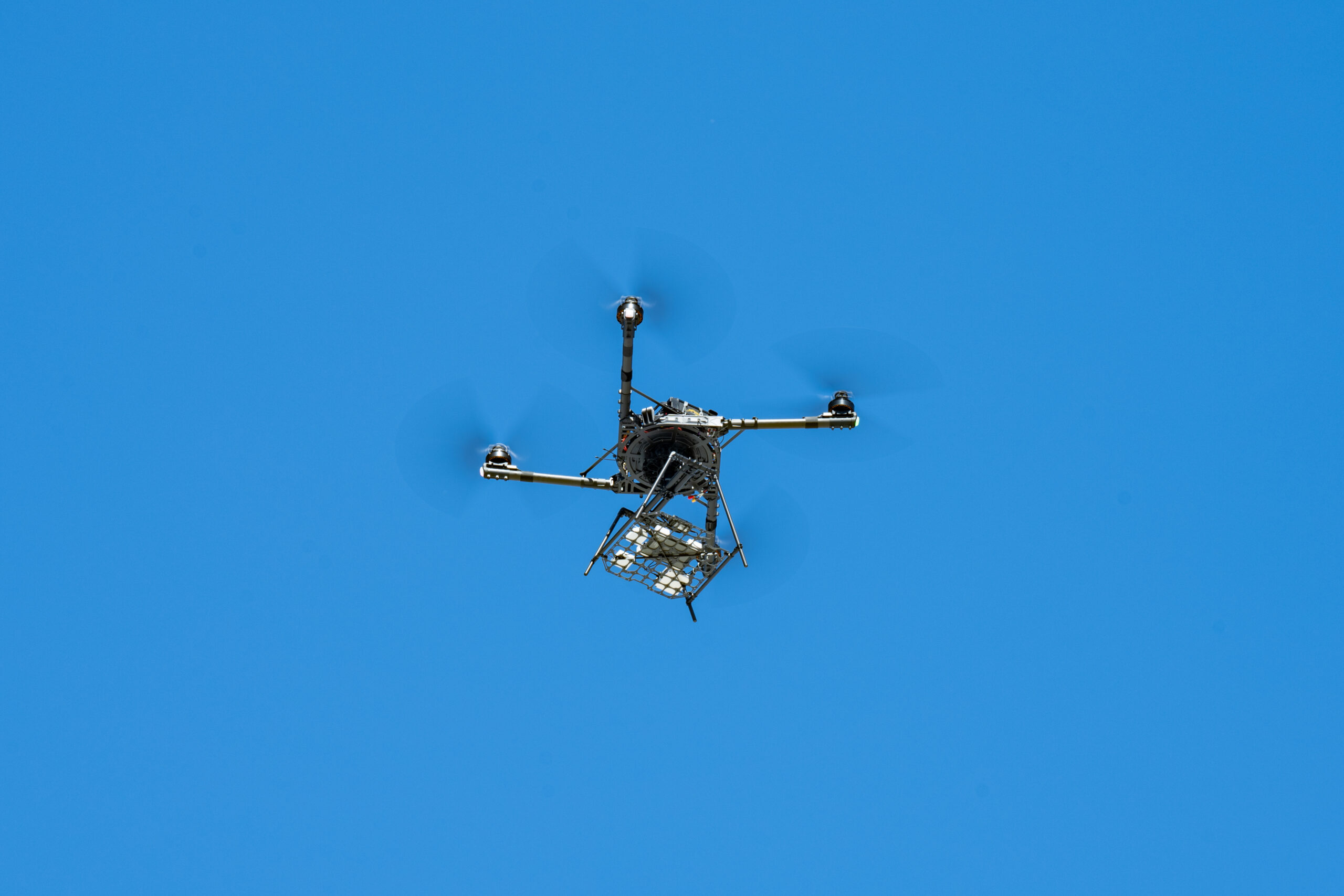
NASA is pioneering a blockchain-based system for enhancing flight data security at its Ames Research Center in California’s Silicon Valley. The innovative system, tested through a drone flight, aims to safeguard air traffic management by ensuring data reliability and transparency. By leveraging blockchain’s decentralized nature, the system transmits and stores information in real-time, effectively protecting it from cyber threats that could disrupt operations or manipulate data. This advancement addresses the evolving cyberthreat landscape in aviation, emphasizing the need for robust, secure data management systems to maintain safety and operational integrity.
Key Points:
- NASA has developed a blockchain-based system for securing flight data at its Ames Research Center.
- The system operates on a decentralized model, ensuring data is transmitted and stored securely without reliance on a single computer or centralized system.
- The blockchain technology enables real-time data transmission and storage, enhancing the reliability and transparency of flight data.
- The innovation addresses the growing need for secure data management in aviation, where cyberthreats are continually evolving.
- The system’s decentralized architecture ensures that data remains protected from interception or manipulation, thereby safeguarding air traffic management.
Actionable Takeaways:
-
Adoption of Blockchain Technology in Aviation: Airlines and aviation authorities should explore integrating blockchain technology into their data management systems to enhance security and reliability. This move could mitigate cyberthreat risks and ensure the integrity of flight data, ultimately contributing to safer air travel.
-
Investment in Cybersecurity for Air Traffic Management: Given the increasing sophistication of cyberthreats, there is a pressing need for increased investment in cybersecurity measures for air traffic management systems. Adopting advanced technologies like blockchain can provide a robust defense mechanism, ensuring the safety and efficiency of aviation operations.
-
Collaboration Between Tech Innovators and Aviation Industry: Collaboration between technology innovators, such as NASA, and the aviation industry is crucial. By fostering partnerships, the aviation sector can leverage cutting-edge technologies to address security challenges, driving innovation and setting new standards in data protection.
Contextual Insights:
The article underscores the critical importance of data security in the aviation industry, particularly in an era where cyberthreats are becoming more sophisticated. NASA’s blockchain-based system represents a significant step forward in ensuring the integrity and reliability of flight data, which is paramount for maintaining safety and operational efficiency. This development aligns with the broader trend of integrating advanced technologies into critical infrastructure sectors to combat cyber threats. As the travel industry continues to evolve, the adoption of such technologies will likely become a standard practice, fostering trust among passengers and stakeholders. Moreover, the emphasis on decentralized systems reflects a growing industry trend towards enhancing security through distributed architectures, which can be applied across various sectors within the travel ecosystem, including travel tech, fintech, and beyond. This forward-looking perspective highlights the potential for blockchain technology to not only address current security challenges but also to shape future innovations in the travel industry.
Read the Complete Article.


