












Article Summary:
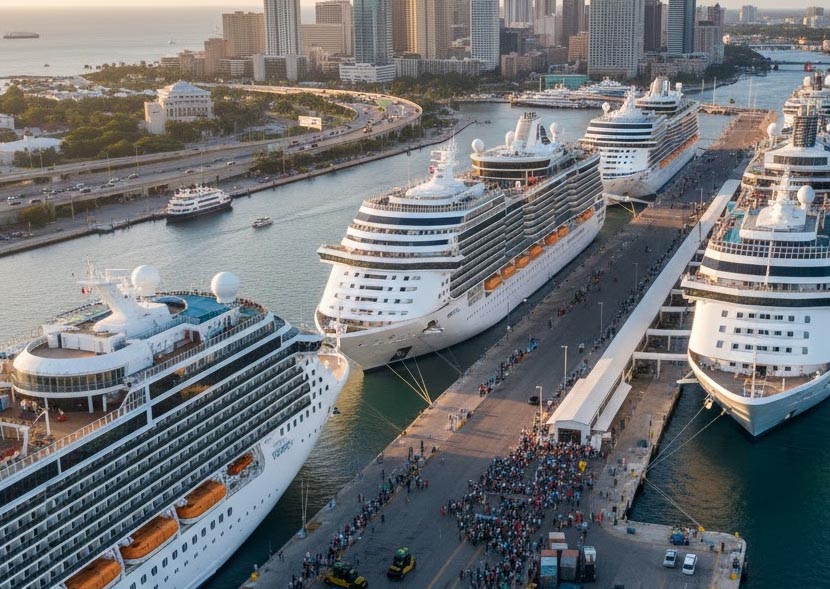
In the midst of the federal shutdown and escalating trade war chaos, several US states, including Florida, Louisiana, Maryland, New York, and California, are racing to supercharge the US travel economy. This ambitious push is focused on boosting cruise tourism at a time when the tourism sector faces unprecedented challenges. Florida, known for its cruise hubs, is leading the charge, leveraging its ports and tourism infrastructure to welcome millions of new visitors. Meanwhile, Louisiana and other states are following suit, working relentlessly to maximize their cruise tourism potential. As the federal shutdown and trade tensions continue to impact traditional tourism, these states are leveraging their unique strengths to attract cruise tourists and bolster the travel economy.
Key Points:
- Federal Shutdown and Trade War Impact: The article highlights the challenges posed by the federal shutdown and trade war chaos on the US travel industry, particularly cruise tourism.
- State-Level Initiatives: Florida, Louisiana, Maryland, New York, and California are actively working to boost cruise tourism, leveraging their ports and tourism infrastructure.
- Florida’s Leadership: Florida is at the forefront of this initiative, utilizing its existing cruise hubs to attract millions of new visitors.
- Louisiana and Other States’ Efforts: Other states are also ramping up their efforts to maximize cruise tourism potential amidst the ongoing crises.
- Focus on Cruise Tourism: The article emphasizes the strategic focus on cruise tourism as a means to revive and strengthen the travel economy during these challenging times.
Actionable Takeaways:
- Leverage Existing Infrastructure: States like Florida are leveraging their existing cruise ports and tourism infrastructure to attract new visitors. Relevance: This approach can be a cost-effective strategy for states looking to quickly boost their tourism economy without significant new investments.
- Diversify Tourism Offerings: By focusing on cruise tourism, states can diversify their revenue streams and reduce dependency on traditional tourism sectors affected by the federal shutdown and trade tensions. Relevance: Diversification can provide resilience against future economic shocks and market fluctuations.
- Collaborative State Efforts: The coordinated efforts among multiple states demonstrate the potential benefits of collaborative state-level initiatives in addressing industry-wide challenges. Relevance: Such collaboration can lead to shared resources, knowledge exchange, and more effective implementation of tourism strategies.
Contextual Insights:
The article reflects the current state of the travel industry, which is grappling with the dual challenges of a federal shutdown and escalating trade tensions. These crises have significantly impacted traditional tourism sectors, prompting states to innovate and adapt their strategies to maintain economic growth. The emphasis on cruise tourism is particularly noteworthy, as it aligns with the industry’s ongoing shift towards sea-based travel, which offers unique opportunities for growth and recovery. Furthermore, the proactive measures taken by states like Florida underscore a broader trend of states taking the lead in tourism recovery efforts, setting a precedent for others to follow. This context highlights the importance of adaptability and innovation in navigating the complexities of modern travel economics, particularly in the face of unprecedented global challenges.
Read the Complete Article.


