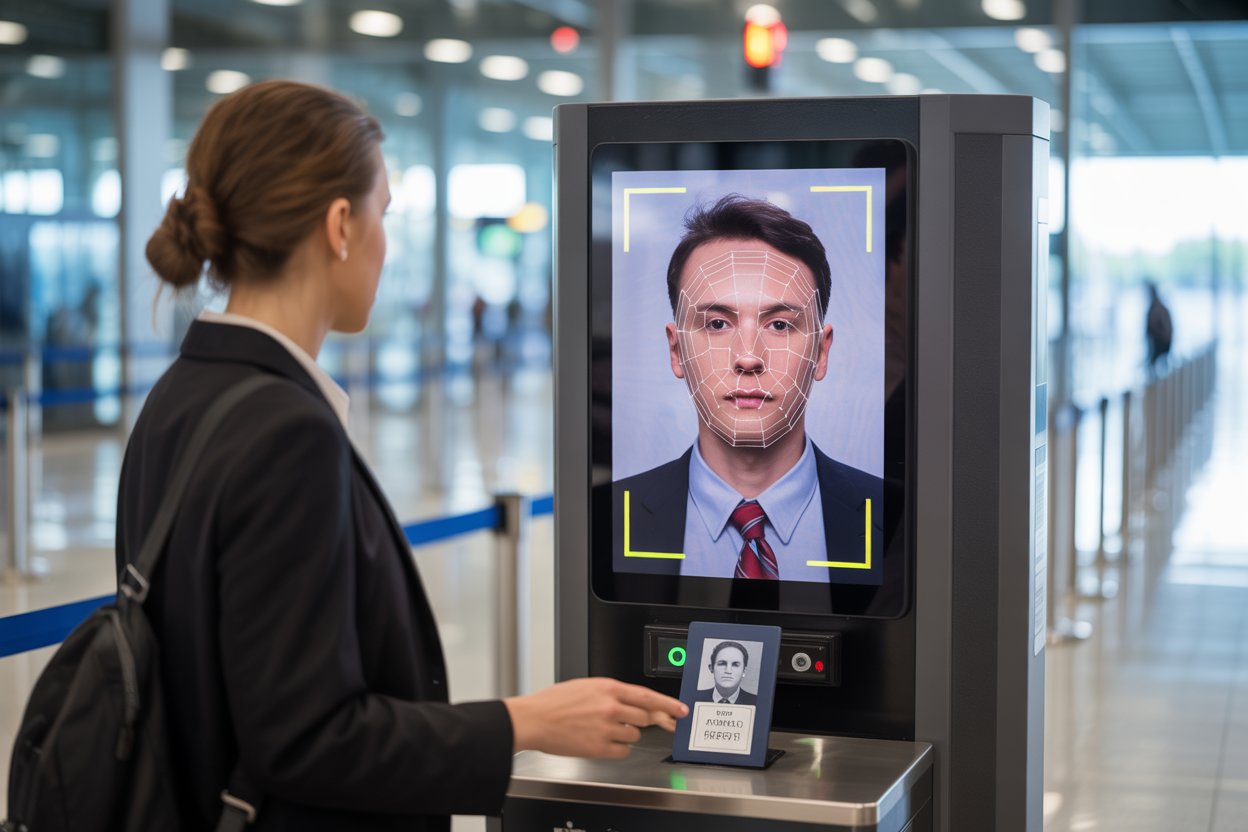













U.S. Expands Facial Recognition for Non-Citizens at Border Entry Points
The United States is broadening its use of facial recognition technology to process non-U.S. citizens at all land border crossings, airports, and seaports. This expansion aims to enhance security and streamline the immigration process.
Implementation at Entry Points
The Department of Homeland Security (DHS) is implementing this technology across various entry points into the United States. This initiative is part of a larger effort to modernize border security and improve the efficiency of identifying individuals entering the country.
The technology captures biometric data, specifically facial images, from travelers. This data is then compared against various watchlists and databases to verify identities and detect potential security risks. The expansion signifies a significant step in the government’s biometric entry and exit data collection efforts.
Scope of the Program
The expanded program targets non-U.S. citizens, meaning U.S. citizens are generally not subject to the same level of facial recognition screening. The DHS stated that the technology will be integrated into existing traveler processing systems.
This move is intended to create a more robust and accurate system for tracking individuals who enter and exit the United States. The biometric data collected is expected to provide a more secure method of identity verification compared to traditional document checks alone.
The implementation is happening incrementally, with the goal of full integration across all designated entry points. This expansion is a key component of the DHS’s strategy to enhance national security and manage international travel more effectively.
Key Points
Read the Complete Article.



