Adalte launches travel distribution platform for global agencies
Adalte single platform unifies its tech, marketplace and partner tools, streamlining multi‑day tour bookings and boosting global expansion
Read moreDetailsEvery alert that matters — when it happens.
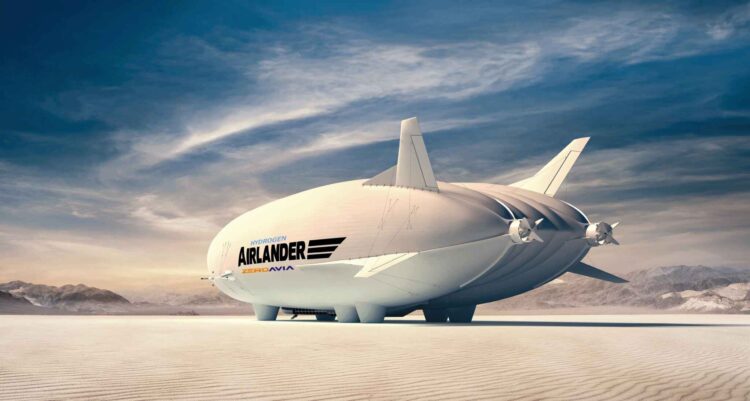
ZeroAvia to Power Hybrid Air Vehicles’ Airlander 10 with Zero-Emission Hydrogen Technology
Article Summary:
Hybrid Air Vehicles (HAV) has entered into a strategic partnership with ZeroAvia to develop a hydrogen-electric version of its Airlander 10 hybrid airship. The collaboration aims to integrate ZeroAvia’s 600-kilowatt ZA600 hydrogen-electric powertrains into the Airlander 10, with the goal of achieving zero-emission operations for this innovative airship. The Airlander 10, currently powered by four diesel engines, is designed to carry a payload of up to 10 tons, have a maximum range of 4,000 nautical miles, remain airborne for up to five days, and reach altitudes of up to 20,000 feet. This partnership marks a significant step towards advancing zero-emission aviation technology.
Key Points:
Actionable Takeaways:
Contextual Insights:
The development of hydrogen-electric airships like the Airlander 10 reflects a broader trend in the travel industry towards sustainable and innovative transportation solutions. As concerns over carbon emissions and environmental impact continue to grow, there is a heightened focus on technologies that can reduce the carbon footprint of air travel. The Airlander 10, with its ability to remain airborne for extended periods and carry substantial payloads, represents a versatile platform for various applications, including cargo transport, passenger travel, and even disaster relief operations.
Moreover, the partnership between HAV and ZeroAvia aligns with the current travel trends emphasizing sustainability and technological advancement. Thought leaders in the travel industry are increasingly advocating for the adoption of zero-emission technologies to meet regulatory requirements, meet consumer demand for eco-friendly travel options, and contribute to global sustainability goals. This partnership not only showcases the potential of hydrogen-powered aviation but also sets a benchmark for future innovations in the sector.
In conclusion, the collaboration between HAV and ZeroAvia is a significant development in the travel industry, showcasing the potential of hydrogen-electric technologies to revolutionize air travel. By integrating these advancements, HAV and ZeroAvia are not only addressing environmental concerns but also positioning themselves at the forefront of the next wave of sustainable aviation solutions. For the travel industry, this partnership serves as a testament to the transformative power of technology in shaping the future of travel.
Read the Complete Article.
Adalte single platform unifies its tech, marketplace and partner tools, streamlining multi‑day tour bookings and boosting global expansion
Read moreDetails

Experience the magic of the Nile aboard Kenzy Dahabeya, a luxury boutique sailing cruise that offers an unforgettable journey between...
Read moreDetails