












Article Summary:
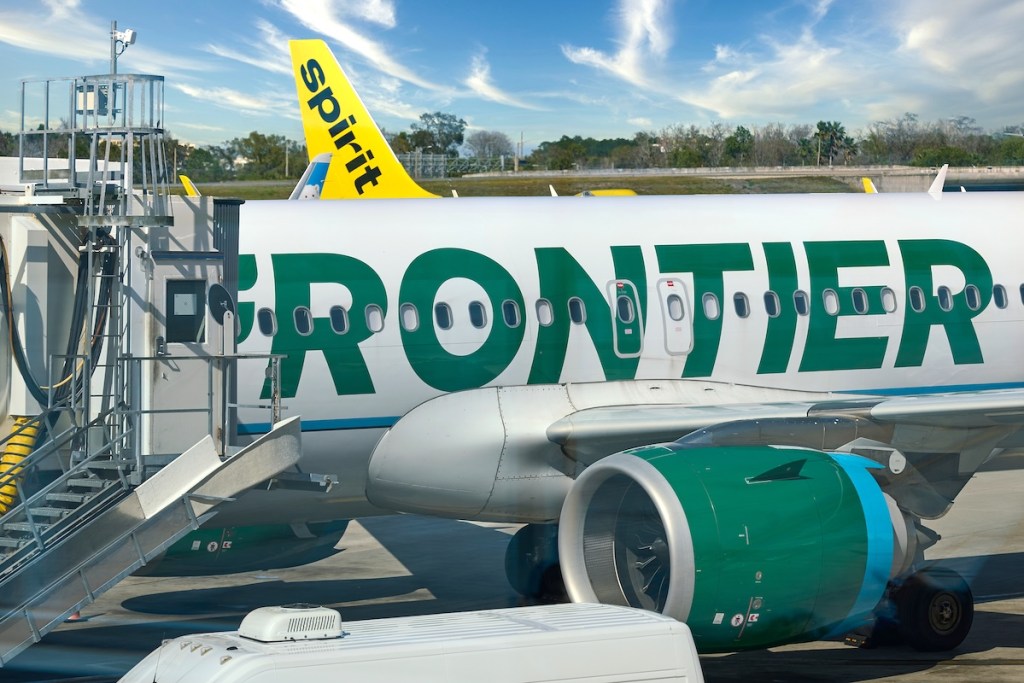
The article discusses a cluster of leadership changes across the aviation industry, with Frontier Airlines CEO Barry Biffle announcing his immediate resignation on a late Monday. This move is part of a series of CEO appointments and departures since mid-November, affecting airlines across various regions and business models. The article highlights the density of these transitions, noting that each move, while individually explainable, collectively forms one of the most significant series of CEO changes in recent memory.
Key Points:
- A series of leadership changes across nine airlines since mid-November, spanning different regions and business models.
- The nature of these changes varies, from planned successions to sudden shifts at the top.
- The article emphasizes the density and significance of these transitions in recent aviation history.
Actionable Takeaways:
- Leadership Stability in Aviation: The rapid succession of CEOs across multiple airlines signals potential instability in the industry. Companies may need to focus on succession planning and long-term leadership development to mitigate risks associated with frequent leadership changes.
- Diverse Business Models Affected: The impact of these leadership changes spans various airline models, from ultra-low-cost carriers to full-service flag carriers. This diversity suggests that leadership transitions could have varied impacts on operational strategies, financial performance, and market positioning across different segments of the aviation industry.
- Opportunity for Innovation: The frequent changes may create opportunities for innovation, particularly in areas like digital transformation, customer experience, and operational efficiency. Airlines might leverage these transitions to introduce new technologies, services, or business models to stay competitive.
Contextual Insights:
The article’s context is deeply rooted in the current state of the aviation industry, marked by rapid changes and evolving market conditions. The clustering of leadership transitions since mid-November reflects broader industry trends where agility and adaptability are crucial. This period of change could be influenced by factors such as economic uncertainties, regulatory shifts, and technological advancements in travel tech and fintech. Forward-looking insights suggest that airlines must remain agile, embracing innovation and strategic planning to navigate these turbulent times successfully. Additionally, the article’s focus on diverse business models highlights the need for tailored strategies that can adapt to varying market demands and competitive landscapes.
Read the Complete Article.



