












Article Summary:
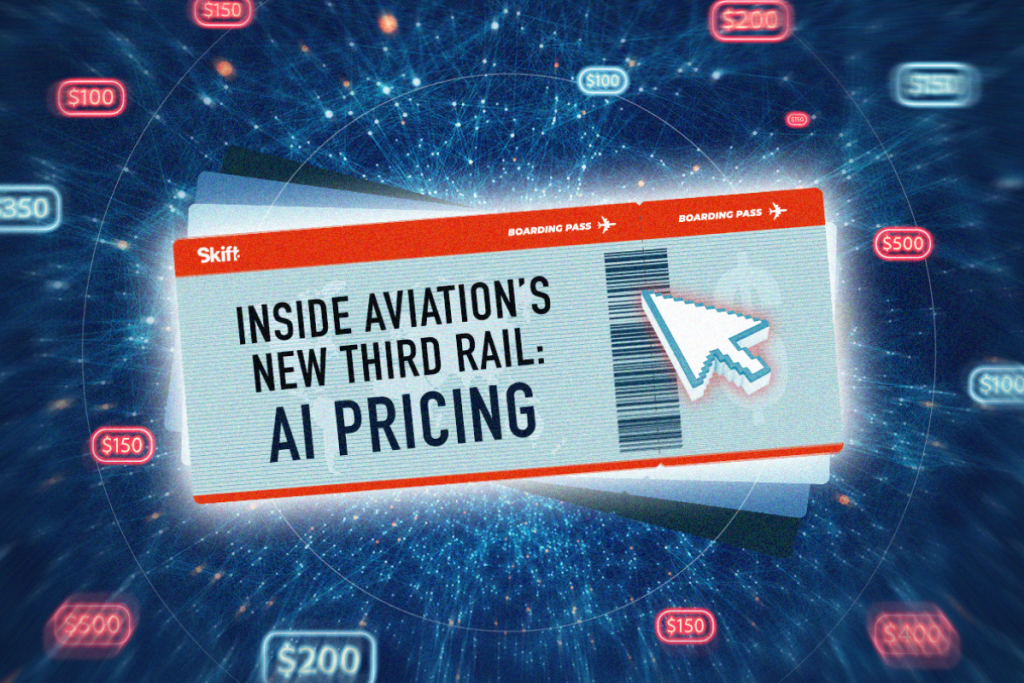
The article discusses the potential dangers of airlines using AI for dynamic pricing, particularly in sensitive situations such as dealing with a death in the family. Former Federal Trade Commission chair Lina Khan has warned about this scenario, where airlines could charge significantly higher fares based on scraped email data. While AI is being used for customer service and managing disruptions in the travel industry, the use of AI for pricing is a contentious issue. Delta’s comments on an earnings call in July sparked backlash, with the airline’s president stating they are working on AI solutions. The article also touches on the broader context of travel trends and insights from thought leaders, highlighting the need for a balanced approach to AI implementation in the travel sector.
Key Points:
- Airlines are exploring AI for customer service and managing disruptions, but the use of AI for dynamic pricing, especially in sensitive situations, is a concern.
- Former FTC chair Lina Khan has warned about the potential for airlines to charge higher fares based on scraped email data, creating a dystopian scenario.
- Delta’s comments on an earnings call in July led to backlash, highlighting the controversy around AI-driven pricing in the travel industry.
- The article emphasizes the need for a balanced approach to AI implementation in travel, considering both technological advancements and ethical considerations.
Actionable Takeaways:
-
Implement Transparent AI Pricing Policies: Airlines should develop clear, transparent policies for using AI in pricing, especially in sensitive situations like dealing with a death in the family. This transparency can help build trust with customers and mitigate potential backlash.
- Relevance and Impact: By ensuring transparency, airlines can align their AI-driven pricing strategies with ethical standards, potentially enhancing customer loyalty and brand reputation.
-
Invest in AI for Customer Service and Disruption Management: While AI pricing is a contentious issue, airlines should continue investing in AI for customer service and managing disruptions. This can improve operational efficiency and enhance the overall customer experience.
- Relevance and Impact: Focusing on AI applications that do not directly impact pricing can help airlines leverage technology for positive outcomes, such as faster customer service and more efficient disruption management.
-
Monitor Regulatory Developments: As airlines explore AI applications, it is crucial to monitor regulatory developments, particularly concerning data usage and pricing practices. Staying compliant with regulations can prevent legal issues and maintain a positive industry image.
- Relevance and Impact: Proactive monitoring of regulations ensures that airlines remain compliant and avoid potential legal challenges, allowing them to focus on innovation and customer satisfaction.
Contextual Insights:
The article reflects the ongoing tension between technological innovation and ethical considerations in the travel industry. With AI becoming increasingly prevalent in various aspects of travel, from customer service to pricing, there is a growing need for a balanced approach. The use of AI for dynamic pricing, especially in sensitive situations, raises significant ethical concerns and could lead to customer dissatisfaction and regulatory scrutiny. Delta’s comments on an earnings call in July exemplify the industry’s cautious stance on AI-driven pricing, highlighting the need for careful implementation. As the travel sector continues to evolve, thought leaders emphasize the importance of balancing innovation with ethical considerations to ensure sustainable growth and customer trust. This context underscores the need for airlines to carefully navigate the integration of AI technologies, ensuring they align with both industry standards and customer expectations.
Read the Complete Article.



