












Article Summary:
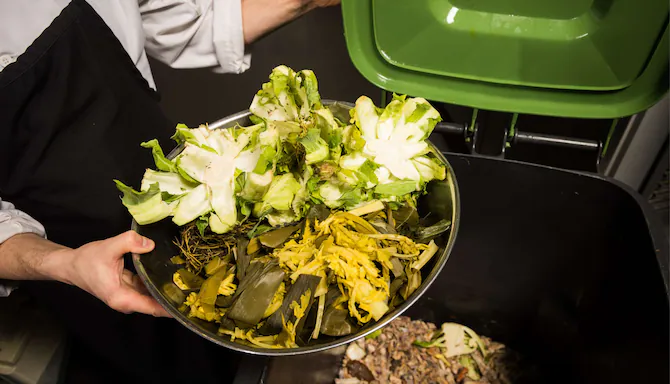
The article discusses how hotels are adopting innovative technologies to reduce food waste and carbon emissions as part of their efforts to meet climate goals. Radisson’s net zero hotel in Manchester is highlighted as an example, utilizing a smart bin system called eSmiley to weigh discarded food and calculate CO2 emissions. The system tracks waste from guest plate scraps to kitchen vegetable peels, allowing chefs to analyze and adjust buffet waste. Inge Huijbrechts, Radisson’s Chief Sustainability Officer, mentioned that this initiative has already led to improvements in waste management.
Key Points:
- Hotels are implementing AI and smart technologies to monitor and reduce food waste, aiming to lower carbon emissions.
- Radisson’s Manchester hotel uses a smart bin system called eSmiley to track food waste and its associated CO2 emissions.
- The system allows for data-driven adjustments in buffet waste management, leading to tangible improvements.
- The initiative demonstrates a proactive approach to sustainability within the hospitality industry.
Actionable Takeaways:
- Implement Smart Waste Management Systems: Hotels can adopt AI-driven smart bin systems like Radisson’s eSmiley to accurately measure and reduce food waste. This technology provides real-time data on waste generation, enabling chefs and management to make informed decisions and adjustments to buffet offerings. By analyzing waste data, hotels can optimize menu planning, reduce overproduction, and ultimately lower their carbon footprint.
- Encourage Sustainable Dining Practices: The article highlights the importance of smaller plates and portion control in minimizing food waste. Hotels should consider implementing portion control measures and encouraging guests to take only what they can eat. This not only reduces waste but also enhances the dining experience by preventing guests from feeling overwhelmed by large portions.
- Explore Alternative Food Waste Solutions: The article mentions the use of insect larvae as a potential solution for food waste. Hotels can explore innovative waste management strategies, such as composting or converting food waste into protein-rich insect larvae. These alternatives can help hotels divert waste from landfills, reduce their environmental impact, and even create unique culinary experiences for guests.
Contextual Insights:
The adoption of smart waste management systems and sustainable dining practices aligns with the growing emphasis on sustainability within the travel industry. As climate change concerns intensify, hotels are under increasing pressure to reduce their environmental impact. The use of AI and smart technologies in waste management represents a forward-thinking approach that not only benefits the environment but also enhances operational efficiency. By embracing these innovations, hotels can position themselves as leaders in sustainability, attracting eco-conscious travelers and differentiating themselves in a competitive market. Furthermore, the exploration of alternative waste management solutions, such as insect larvae, reflects the industry’s openness to novel ideas and its willingness to experiment with unconventional approaches to waste reduction. As the travel industry continues to evolve, integrating cutting-edge technologies and sustainable practices will be crucial for hotels to meet their climate goals and contribute to a more sustainable future.
Read the Complete Article.



