











Sail Through Time: Discover the Timeless Wonders of Upper Egypt Aboard Kenzy Dahabeya
Experience the magic of the Nile aboard Kenzy Dahabeya, a luxury boutique sailing cruise that offers an unforgettable journey between...
Read moreDetails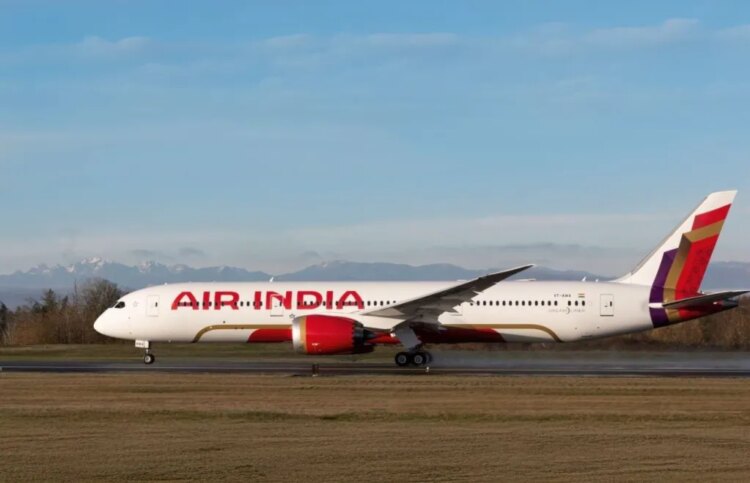
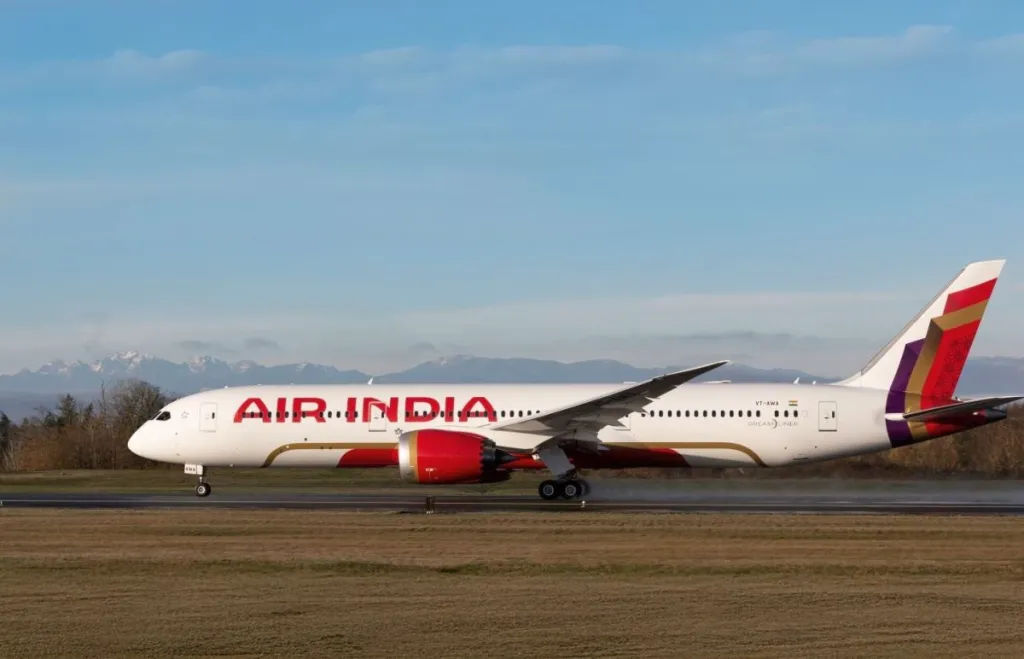
Photo Credit: Air India's new custom designed B787-9. Air India
Comprehensive Summarization:
Air India has announced plans to induct at least 20 widebody aircraft into its long-haul operations this year, according to CEO Campbell Wilson. This announcement, made during a special chartered flight showcasing the airline’s first custom-built Boeing 787-9 since privatization, hints at further Boeing 787 orders. The new 787-9 will commence commercial service on February 1 on the Mumbai-Frankfurt route, with progressive deployment across Air India’s European network and other routes. This move underscores Air India’s strategic focus on expanding its long-haul fleet and enhancing its European network presence.
Key Points:
Actionable Takeaways:
Strategic Fleet Expansion: Air India’s decision to add 20 widebody aircraft signals a strategic move to enhance its long-haul capabilities. This expansion is likely to improve the airline’s competitiveness in the European market, allowing for more frequent and direct flights to key European destinations. For travel professionals, this could mean increased connectivity options for passengers traveling between India and Europe, potentially leading to higher demand for travel services.
Focus on European Network: The deployment of the Boeing 787-9 across Air India’s European network is a clear indication of the airline’s strategic focus on this region. This move could enhance Air India’s market position in Europe, attracting more passengers and potentially increasing revenue. For travel agencies and tour operators, this could translate into more travel options and possibly better deals for customers flying between India and Europe.
Technological Advancement and Brand Image: The custom-built Boeing 787-9 represents a significant technological advancement for Air India, showcasing the airline’s commitment to modernizing its fleet. This could enhance the airline’s brand image, appealing to tech-savvy and modern travelers. For industry stakeholders, this highlights the importance of investing in modern aircraft and technology to stay competitive in the travel industry.
Contextual Insights:
The announcement of Air India’s fleet expansion aligns with broader industry trends towards modernizing and expanding aircraft fleets to meet growing demand, particularly in long-haul routes. The focus on the European market is particularly noteworthy, given the region’s status as a major travel hub and the increasing demand for connectivity between India and Europe. This move reflects a broader industry trend where airlines are investing in newer, more efficient aircraft to improve operational efficiency and passenger experience. Furthermore, the custom-built nature of the Boeing 787-9 underscores the importance of innovation and technological advancement in the travel industry, as airlines seek to differentiate themselves and offer superior service to their customers. For thought leaders in the travel sector, this highlights the need for continuous investment in technology and fleet modernization to remain competitive and meet evolving consumer expectations.
Read the Complete Article.
Experience the magic of the Nile aboard Kenzy Dahabeya, a luxury boutique sailing cruise that offers an unforgettable journey between...
Read moreDetails



