












Comprehensive Summarization:
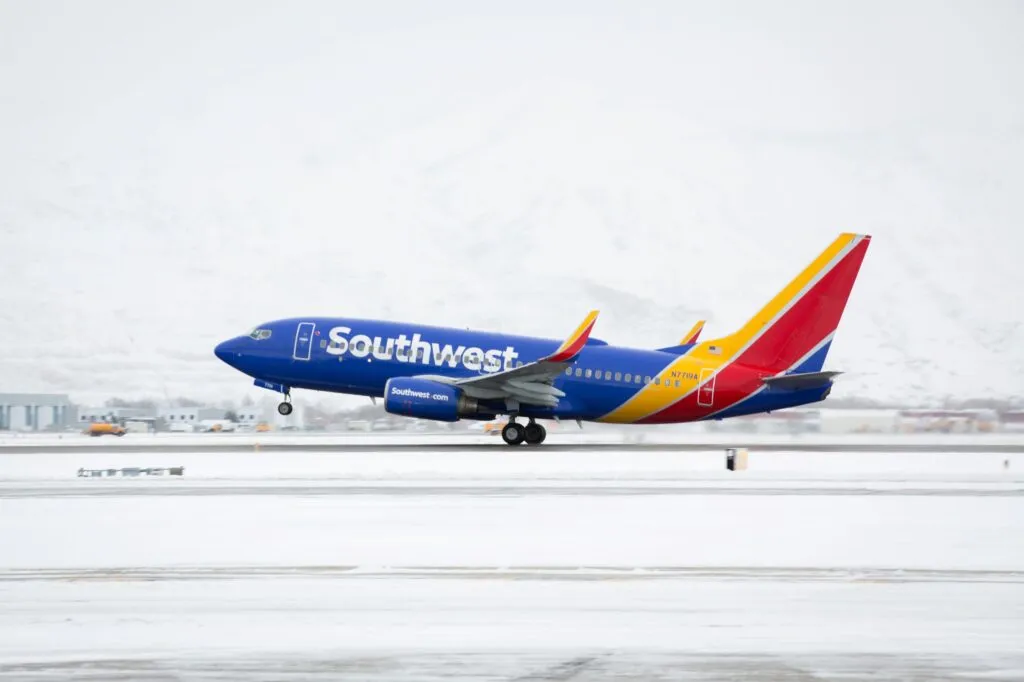
A major winter storm is significantly disrupting air travel across large portions of the United States, leading to widespread flight cancellations and disruptions. Airlines are canceling over 1,500 flights on Saturday alone, with more expected as the storm continues. In response, airlines and authorities are advising travelers to closely monitor their flight statuses, plan for additional travel time, and take advantage of flexible rebooking options to minimize the impact of these disruptions.
Key Points:
- A major winter storm is affecting travel across much of the U.S., leading airlines to cancel flights and issue waivers.
- Over 1,500 flights have already been canceled for Saturday, with more disruptions expected as the storm continues.
- Airlines and authorities are advising travelers to monitor flight status, plan extra time, and utilize flexible rebooking options.
Actionable Takeaways:
-
Monitor Flight Status Regularly: Given the widespread cancellations, travelers should frequently check their flight statuses to stay informed about any changes or cancellations. This proactive approach can help in making timely decisions regarding travel plans.
-
Plan for Extra Travel Time: The storm’s impact on travel schedules means that travelers should allocate additional time for their journeys. This includes allowing for potential delays at airports and considering alternative routes or modes of transportation if necessary.
-
Utilize Flexible Rebooking Options: Airlines are offering flexible rebooking options to accommodate travelers affected by the storm. Travelers should take advantage of these policies to avoid penalties and ensure they can adjust their travel plans as needed without incurring additional costs.
Contextual Understanding:
The winter storm’s impact on air travel highlights the vulnerabilities within the travel industry, particularly in regions prone to severe weather conditions. This disruption underscores the importance of robust contingency planning and flexible policies within the sector. As the travel industry continues to evolve, innovations in travel tech, such as real-time flight tracking and dynamic rebooking systems, are becoming increasingly crucial. These technologies not only enhance the traveler experience by providing greater control and flexibility but also help airlines manage disruptions more efficiently.
Moreover, the current trends in travel tech and fintech are increasingly focused on enhancing customer experience and operational efficiency. For instance, the integration of AI and machine learning in travel platforms can offer predictive analytics to anticipate and mitigate the effects of weather-related disruptions. Additionally, the rise of digital currencies and fintech solutions is streamlining payment processes, making it easier for travelers to manage their expenses and refunds during such disruptions.
Handling Different Article Types:
The article in question is a news brief, providing factual information about a significant event affecting the travel industry. The structured approach outlined above is tailored to distill such articles into clear, actionable insights for a professional audience. For opinion pieces or feature articles, the analysis would delve deeper into the underlying trends, expert opinions, and potential future implications, ensuring a comprehensive understanding of the subject matter.
Read the Complete Article.



