












Article Summary:
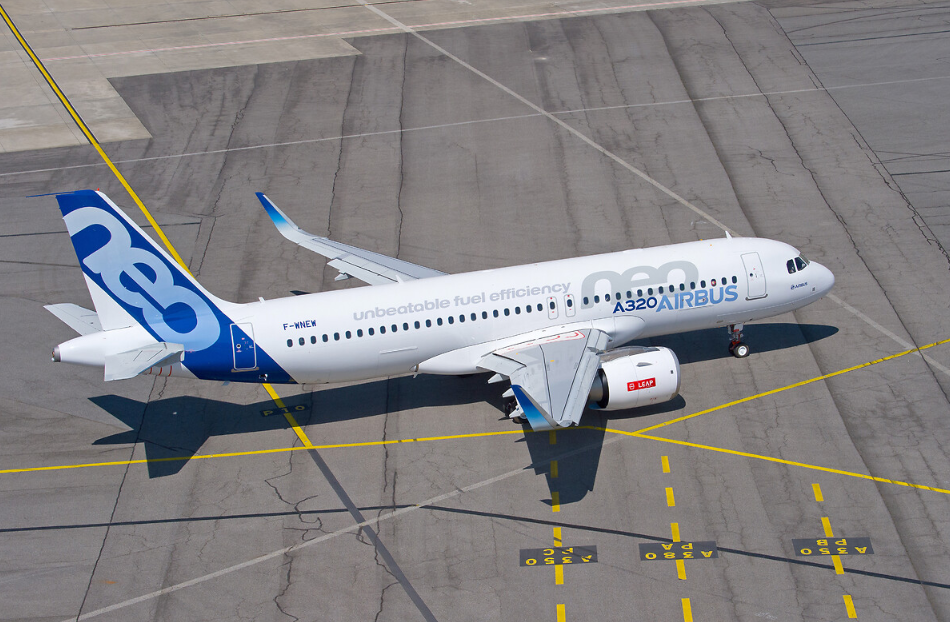
Airbus has issued an urgent alert regarding a safety issue identified in its best-selling aircraft, the A320. The company warned that intense solar radiation could corrupt critical data to flight controls, raising safety concerns across a significant number of aircraft currently in operation. Airbus emphasized that safety is their overriding priority, acknowledging that the necessary fixes and inspections will likely lead to flight delays, cancellations, and scheduling challenges for some carriers. American Airlines is among the operators affected by this issue.
Key Points:
- Airbus identified a safety issue in its A320 aircraft due to intense solar radiation potentially corrupting critical flight control data.
- The issue affects a significant number of A320 jets currently flying worldwide, raising safety concerns.
- Airbus emphasized that safety is their top priority and that the fixes and inspections will likely cause flight disruptions.
- American Airlines is among the operators affected by this safety issue.
Actionable Takeaways:
- Safety First: Airlines should prioritize safety checks and adhere to Airbus’s recommendations for inspections and fixes to ensure the continued safe operation of their A320 fleets. This is crucial as safety remains Airbus’s overriding priority.
- Operational Impact: Airlines, particularly those operating A320 aircraft, may face flight delays, cancellations, and scheduling challenges due to the necessary repairs and inspections. Proactive communication with passengers and stakeholders will be essential to manage these disruptions effectively.
- Technological Preparedness: The incident highlights the importance of technological preparedness in the aviation industry. Airlines should invest in robust cybersecurity measures and regular maintenance checks to mitigate risks associated with environmental factors like solar radiation.
Contextual Insights:
The safety issue with Airbus’s A320 aircraft underscores the ongoing challenges in the aviation industry, particularly concerning the integration of advanced technologies with traditional flight controls. As solar radiation poses a potential threat to critical flight data, the industry must remain vigilant and proactive in addressing such vulnerabilities. This incident also highlights the broader trend of increased focus on cybersecurity and environmental resilience in modern aviation. For travel startups and fintech innovators, this situation presents an opportunity to develop solutions that enhance safety, operational efficiency, and passenger experience in the face of emerging technological and environmental challenges. The incident serves as a reminder of the need for continuous innovation and adaptation in the travel sector to meet evolving industry demands and ensure passenger safety.
Read the Complete Article.



