












Article Summary:
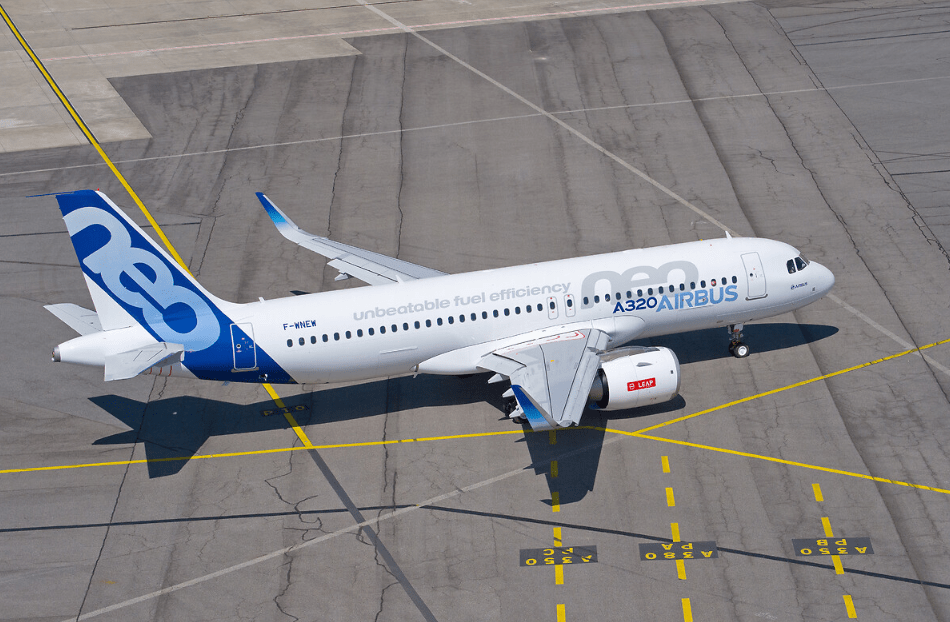
Airbus has issued an urgent advisory following the identification of a safety issue with its best-selling A320 aircraft. The problem arises from intense solar radiation potentially corrupting critical flight data. This issue has raised safety concerns across a significant number of aircraft, leading to flight delays, cancellations, and scheduling challenges for some airlines. Airbus has apologized for the disruption but emphasized the importance of safety.
Key Points:
- Airbus identified a safety issue with its A320 aircraft due to intense solar radiation affecting flight control data.
- The issue impacts a significant number of aircraft, leading to operational disruptions.
- Airbus has apologized for the disruption caused by the safety issue but stressed the importance of safety measures.
- The safety advisory has resulted in flight delays, cancellations, and scheduling challenges for airlines.
Actionable Takeaways:
- Enhanced Safety Protocols: Airlines should review and potentially update their safety protocols to account for potential solar radiation impacts on aircraft systems. This could involve more frequent inspections and maintenance checks, especially for fleets using the A320 model.
- Investment in Solar Radiation Mitigation: There may be an opportunity for airlines and aircraft manufacturers to invest in technologies that mitigate the effects of solar radiation on flight control systems. This could include developing more robust shielding or alternative data processing methods.
- Operational Flexibility: Airlines should maintain operational flexibility to quickly adapt to any further safety advisories or disruptions. This could involve developing contingency plans for potential delays or cancellations and ensuring staff are trained to handle such situations efficiently.
Contextual Insights:
The safety issue with the Airbus A320 aircraft highlights the ongoing challenges in the aviation industry related to technological advancements and environmental factors. As solar radiation continues to be a potential threat to aircraft systems, the industry must remain vigilant and proactive in addressing these issues. This situation also underscores the importance of continuous innovation in aviation technology to ensure safety and reliability. Furthermore, the disruption caused by this safety issue serves as a reminder of the need for airlines to have robust contingency plans in place to manage operational challenges effectively. The focus on safety and technological resilience is likely to shape future trends in the travel industry, particularly in the areas of aviation technology and operational management.
Read the Complete Article.



