












Article Summary:
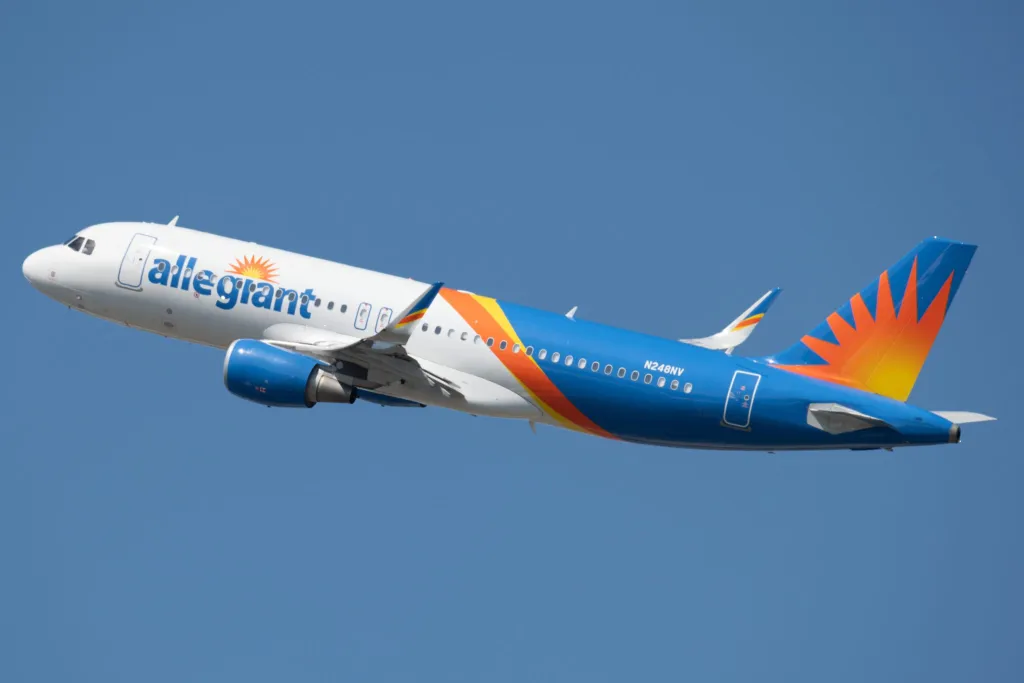
Allegiant and Sun Country Airlines have agreed to merge in a cash-and-stock transaction valued at approximately $1.5 billion, including about $400 million of net debt. The deal represents a premium of nearly 20% to Sun Country’s closing price on January 9. Allegiant will own about 67% of the combined company, creating one of the largest leisure-focused airlines in the U.S. This merger combines two carriers known for flexible capacity, seasonal demand, and a business model focused on ancillary revenues.
Key Points:
- Allegiant and Sun Country Airlines have reached a merger agreement.
- The combined company will be valued at approximately $1.5 billion, including $400 million of net debt.
- Allegiant shareholders will hold about 67% of the combined entity.
- The transaction is valued at a 20% premium to Sun Country’s closing price on January 9.
- The merger aims to create a leading leisure-focused airline in the U.S., leveraging both carriers’ strengths in flexible capacity and seasonal demand.
Actionable Takeaways:
- Market Consolidation: The merger between Allegiant and Sun Country is a significant move towards market consolidation in the leisure-focused airline sector. This could lead to increased market share and potentially lower fares for consumers, as larger entities often have more negotiating power with airports and suppliers.
- Strategic Focus on Ancillary Revenues: Both airlines have built their business models around ancillary revenues, such as baggage fees and seat selection. This merger could further enhance their revenue streams, potentially setting a new standard for how airlines monetize their services.
- Operational Efficiency: Combining operations could lead to improved efficiency, reduced costs, and streamlined services. This could be particularly beneficial in the seasonal demand landscape, where airlines need to optimize their capacity and staffing to meet fluctuating travel needs.
Contextual Insights:
The merger of Allegiant and Sun Country Airlines reflects broader trends in the travel industry towards consolidation and strategic focus on high-margin, leisure-focused segments. As the industry continues to recover from the impacts of the COVID-19 pandemic, airlines are increasingly looking for ways to optimize their operations and revenue models. This merger could set a precedent for similar consolidations, potentially leading to more integrated airline networks and enhanced service offerings. Furthermore, the focus on ancillary revenues highlights the industry’s shift towards maximizing profitability from each passenger, a trend that is likely to continue as airlines seek to offset declining passenger counts. This development also underscores the importance of technological innovation in travel tech, as airlines seek to streamline operations and enhance customer experiences in an increasingly competitive market.
Read the Complete Article.



