












Comprehensive Summarization:
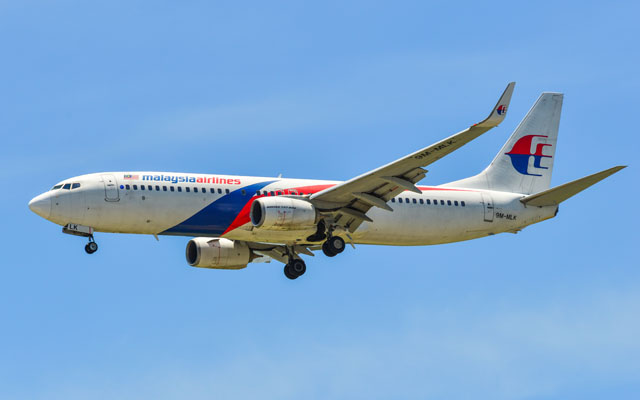
The article reports on significant disruptions in the Asia-Pacific region’s travel industry due to major airlines, including Singapore Airlines (SIA) and Malaysia Airlines, canceling or rerouting flights in response to the US and Israel’s strikes against targets in Iran. Singapore Airlines and its low-cost subsidiary Scoot have canceled six flights, affecting routes such as SQ494 and SQ495 between Singapore and Dubai, as well as Scoot flights TR596 and TR597 serving Jeddah. SIA has urged passengers to update their contact details for real-time notifications. The article also touches on the broader context of recent travel disruptions and the evolving travel industry landscape.
Key Points:
- Major airlines, including Singapore Airlines and Malaysia Airlines, are canceling or rerouting flights to the Middle East due to geopolitical tensions.
- Singapore Airlines and Scoot have canceled six flights, impacting routes to Dubai and Jeddah.
- SIA has requested passengers to update their contact details for real-time updates.
- The article highlights the broader impact of geopolitical events on the travel industry.
Actionable Takeaways:
-
Real-Time Communication with Passengers: Airlines should prioritize implementing robust real-time communication systems to keep passengers informed about flight changes. This not only enhances customer satisfaction but also helps in managing expectations during disruptions. Given the current situation, where geopolitical events are causing flight cancellations, proactive communication can mitigate negative impacts on brand reputation and customer loyalty.
-
Flexible Cancellation Policies: Airlines should consider offering more flexible cancellation policies to accommodate passengers affected by flight disruptions. This can be particularly beneficial in volatile geopolitical situations, where travel plans may be frequently altered. Such policies can enhance customer trust and encourage bookings, especially in a market where travel uncertainty is high.
Contextual Insights:
The article reflects the current state of the travel industry, where geopolitical tensions can lead to significant disruptions. Recent events, such as the strikes against targets in Iran, underscore the vulnerability of the travel sector to external political factors. This situation highlights the need for travel companies to adopt agile operational strategies that can quickly adapt to changing circumstances. Furthermore, the emphasis on real-time communication and flexible policies aligns with broader industry trends towards enhancing customer experience and resilience in the face of uncertainties. As the travel industry continues to evolve, integrating technological solutions for seamless communication and adaptable policies will be crucial for maintaining operational efficiency and customer satisfaction.
Read the Complete Article.



