












Article Summary:
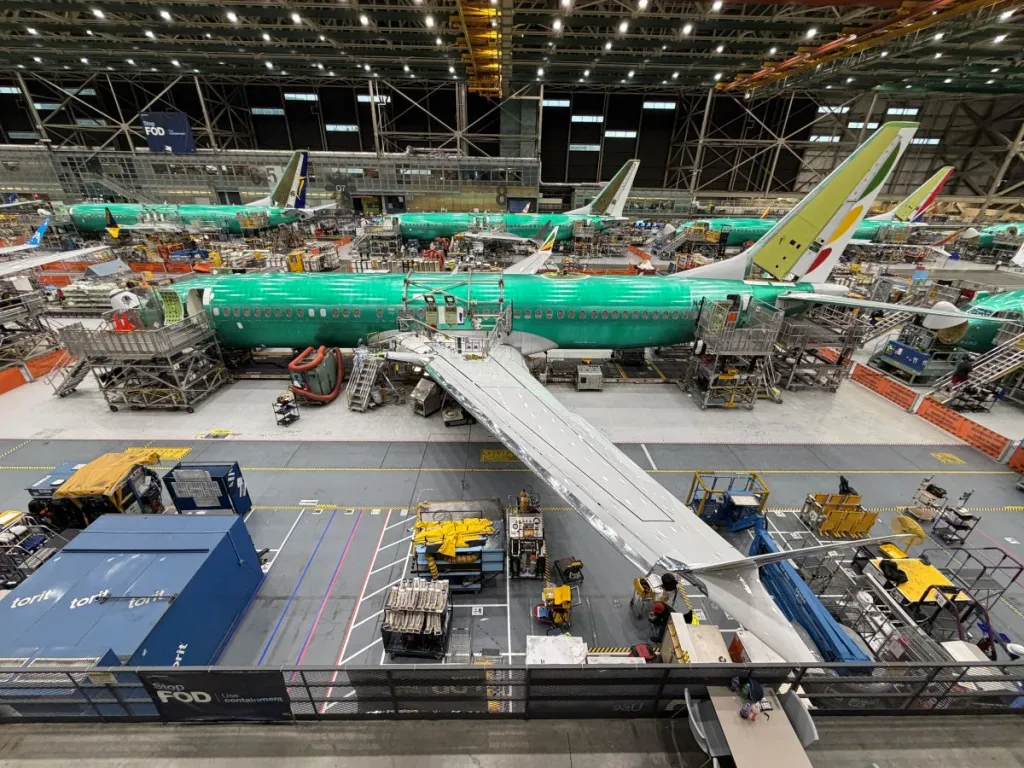
Boeing, after navigating through a period of intense scrutiny, is poised to transition from stabilization to growth in its narrowbody production system. General Manager Katie Ringgold of the 737 program highlighted that the company is currently operating with discipline rather than urgency, which is enabling a steady increase in production output. This shift comes in the wake of the Alaska Airlines blowout incident in January 2024, which led to heightened surveillance of Boeing’s safety protocols. The article provides insights into Boeing’s strategic adjustments and the broader travel industry context, including recent events and technological advancements.
Key Points:
- Boeing is moving from a period of heightened safety oversight to a focus on steady growth in its narrowbody production system.
- The company’s production system is being managed with discipline, allowing for a gradual increase in output.
- The Alaska Airlines blowout incident in January 2024 prompted increased scrutiny of Boeing’s safety measures.
- The shift in production strategy reflects a strategic pivot from urgency to disciplined execution.
Actionable Takeaways:
-
Strategic Production Adjustment: Boeing’s shift from urgency to disciplined production management is a strategic move that could set a benchmark for other aerospace manufacturers. This approach emphasizes quality over speed, potentially leading to improved safety standards and customer trust. Relevance: As the travel industry increasingly values safety and reliability, Boeing’s strategy could serve as a model for other manufacturers aiming to rebuild consumer confidence.
-
Focus on Safety Post-Incident: The heightened surveillance following the Alaska Airlines incident underscores the industry’s commitment to safety. Companies should prioritize rigorous safety protocols and continuous oversight to prevent similar incidents. Relevance: In an era where safety is paramount, airlines and manufacturers must adopt proactive safety measures to mitigate risks and maintain public trust.
Contextual Insights:
The article’s context is deeply rooted in the current challenges faced by the aerospace industry, particularly in the wake of high-profile safety incidents. Boeing’s strategic pivot reflects a broader industry trend towards prioritizing safety and quality over rapid production cycles. This shift is particularly relevant in light of recent technological advancements in aviation, such as the integration of AI and automation in manufacturing processes. These innovations not only enhance production efficiency but also contribute to safer aircraft designs. Furthermore, the article highlights the importance of regulatory compliance and industry standards, which are critical in maintaining the integrity of the travel sector. As the industry continues to evolve, staying abreast of these trends will be essential for stakeholders aiming to navigate the complexities of modern aviation.
Read the Complete Article.



