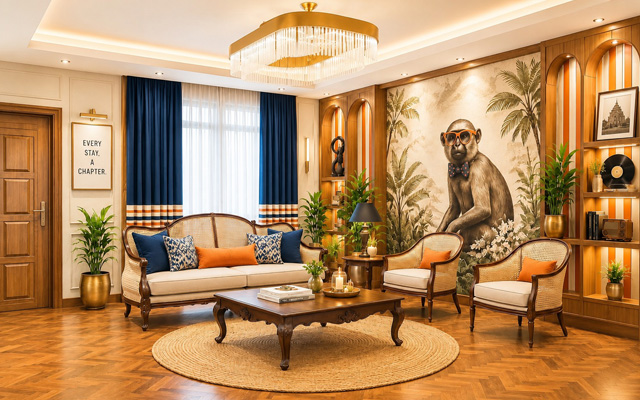
Polo Hotels Group launches boutique brand Chapter Hotels & Resorts
THE NEWS: Polo Hotels Group has launched Chapter Hotels & Resorts, an upscale boutique brand aimed at younger, experience‑led travellers in North‑east...
Read moreDetailsEvery alert that matters — when it happens.
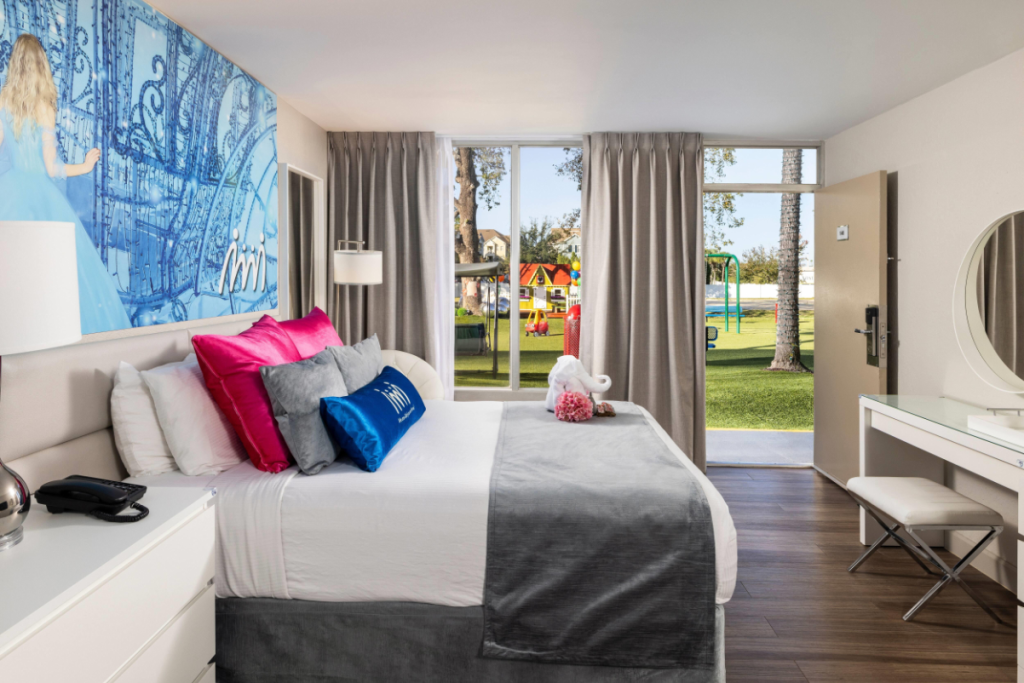
Photo Caption: A guest room at a Magic Moment Hotel & Kids Club, which is part of the Dazzler Select by Wyndham brand in Florida.
Comprehensive Summarization:
The article discusses the quality crisis faced by mid-market hotels in the U.S., primarily affecting big hotel groups. These properties, which cater to the $90-to-$150 nightly rate segment, are experiencing deferred renovations due to inflation and pandemic-era debts. This situation has led to a widening quality gap, with many American middle-class families feeling that these hotels are overpriced for the service they provide. To address this issue, hotel groups are adopting a mix of strategies, including cheaper renovation templates, improved quality control measures, and the introduction of new brands designed to be profitable at lower room rates. The article also touches on the broader context of cost pressures in the hotel industry and the need for innovative solutions to maintain competitiveness.
Key Points:
Actionable Takeaways:
Implement Cost-Effective Renovation Templates: Hotel groups should adopt cheaper renovation templates to address quality issues without incurring excessive costs. This approach can help maintain profitability while improving guest experiences.
Enhance Quality Control Measures: By improving quality control processes, hotels can ensure that even at lower price points, they deliver value to their customers. This can help close the quality gap and enhance customer satisfaction.
Launch New Profitable Brands: Developing new brands that are designed to be profitable at lower room rates can help hotel groups capture market share and differentiate themselves in a competitive landscape. This strategy can be particularly effective in attracting budget-conscious travelers.
Contextual Insights:
The article reflects the current challenges faced by the hotel industry, particularly the mid-market segment, which is often overlooked in favor of luxury or high-end properties. The quality crisis is exacerbated by external factors such as inflation and the lingering effects of the pandemic, which have led to financial constraints for many franchisees. The strategies discussed—cheaper renovations, improved quality control, and new brand launches—are indicative of a broader industry trend towards innovation and adaptability. These approaches align with current travel trends, where cost-conscious travelers are increasingly seeking value without compromising on quality. Furthermore, the emphasis on new brands suggests a shift towards differentiation in a crowded market, a strategy that is gaining traction among travel startups and fintech companies looking to disrupt traditional hotel models. Overall, the article underscores the need for the travel industry to innovate and adapt to changing consumer expectations and market conditions.
Read the Complete Article.
THE NEWS: Polo Hotels Group has launched Chapter Hotels & Resorts, an upscale boutique brand aimed at younger, experience‑led travellers in North‑east...
Read moreDetails

Experience the magic of the Nile aboard Kenzy Dahabeya, a luxury boutique sailing cruise that offers an unforgettable journey between...
Read moreDetails