













Comprehensive Summarization:
The article reports on a severe blizzard that struck the Northeast, resulting in the cancellation of over 7,000 flights across Sunday and Monday. Major airports in New York City, including JFK, LaGuardia, and Newark, experienced the highest disruption rates. In response to the crisis, New York City declared a local state of emergency, implementing citywide travel restrictions from Sunday night to Monday noon. This event underscores the significant impact of extreme weather on air travel and the necessity for robust contingency planning in the travel industry.
Key Points:
- Over 7,000 flights were canceled across Sunday and Monday due to a severe blizzard in the Northeast.
- New York City and nearby airports, such as JFK, LaGuardia, and Newark, faced the highest flight disruption rates.
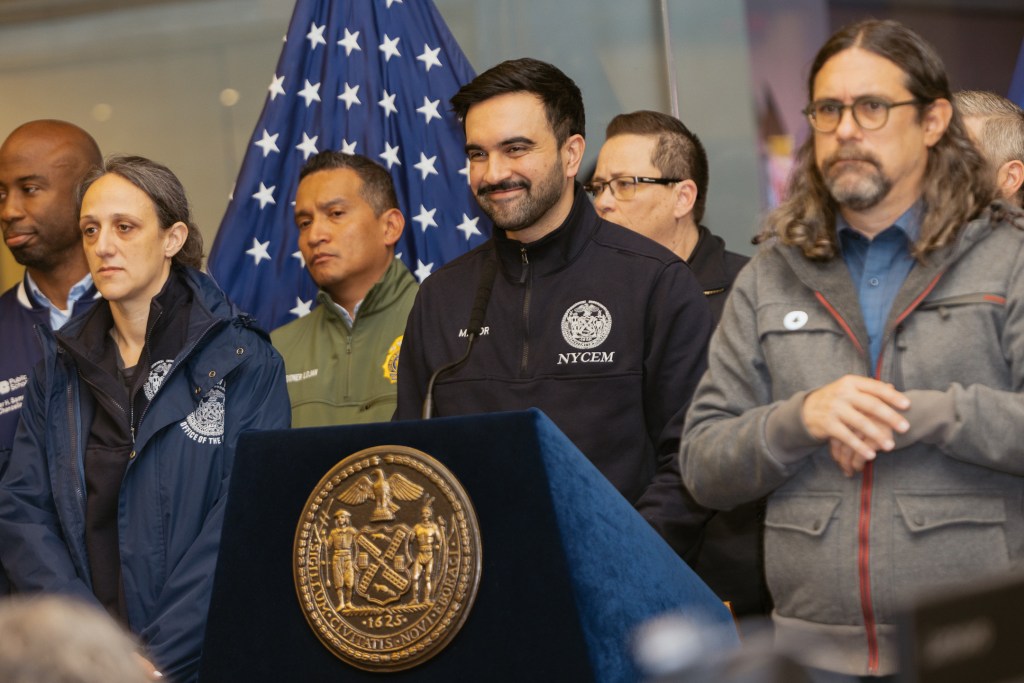
- New York City declared a local state of emergency, instituting citywide travel restrictions from Sunday night to Monday noon.
Actionable Takeaways:
-
Enhanced Weather Monitoring Systems: The blizzard highlights the critical need for advanced weather monitoring and predictive analytics in the travel industry. Implementing real-time weather tracking and automated alerts can help airlines and airports better prepare for and mitigate the impacts of severe weather events on flight operations.
-
Flexible Cancellation Policies: Given the high rate of flight cancellations, airlines should consider implementing more flexible cancellation policies. This can help mitigate financial losses for both airlines and passengers, especially in regions prone to unpredictable weather conditions.
-
Investment in Resilient Infrastructure: The disruption caused by the blizzard emphasizes the importance of investing in resilient airport infrastructure. This includes upgrading facilities to withstand extreme weather conditions and ensuring backup power systems are in place to maintain operations during power outages.
Contextual Insights:
The blizzard’s impact on air travel is a stark reminder of the vulnerabilities within the travel industry, particularly in regions susceptible to severe weather. This event aligns with broader industry trends towards greater reliance on technology for operational resilience. Innovations in travel tech, such as AI-driven predictive analytics and automated passenger rebooking systems, are becoming increasingly vital. Startups focusing on travel disruption management and fintech solutions for flexible payment options during cancellations are likely to see increased demand. The incident also underscores the importance of strategic partnerships between airlines, airports, and local governments to ensure comprehensive emergency response plans are in place, enhancing overall industry resilience against future weather-related disruptions.
Read the Complete Article.



