












Comprehensive Summarization:
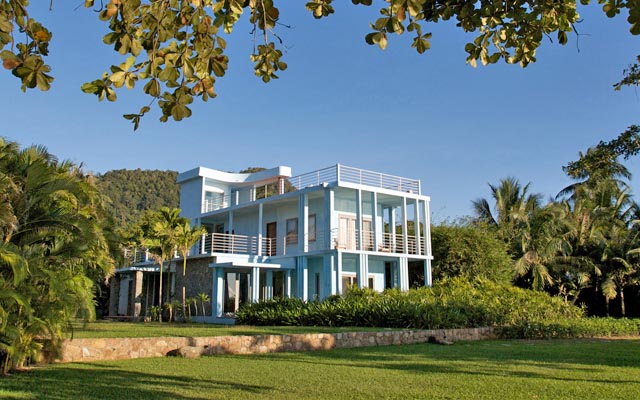
The Regenerative Stay program by Knai Bang Chatt, a resort in Kep, Cambodia, launched in partnership with Marine Conservation Cambodia and local mangrove community members. This year-long initiative connects guest stays with coastal restoration efforts, with all bookings made for 2026 funding the planting of 10 mangrove seedlings per stay. The program aims to offset CO₂ emissions associated with travel, with each mangrove tree capable of offsetting around 308kg of CO₂ over a 25-year period. Ten trees would offset more than 7.7 tonnes of CO₂ over their lifetime. The resort emphasizes the importance of this initiative in supporting coastal mangrove restoration and contributing to global efforts against climate change.
Key Points:
- Knai Bang Chatt has launched The Regenerative Stay program, connecting guest stays with coastal restoration efforts in Kep, Cambodia.
- For every stay booked in 2026, 10 mangrove seedlings will be planted, with the initiative delivered in partnership with Marine Conservation Cambodia and local community members.
- Each mangrove tree can offset approximately 308kg of CO₂ over a 25-year growth period, meaning ten trees would offset over 7.7 tonnes of CO₂ over their lifetime.
- The program aims to support coastal mangrove restoration and contribute to global climate change mitigation efforts.
Actionable Takeaways:
-
Environmental Impact through Tourism: The Regenerative Stay program demonstrates how the travel industry can integrate environmental sustainability into its business model. By funding mangrove restoration for every stay booked, the resort is setting a precedent for other travel businesses to adopt similar eco-friendly initiatives. This could lead to increased consumer preference for sustainable travel options, driving a broader industry shift towards eco-conscious practices.
-
Potential for CO₂ Offsetting in Travel: The initiative highlights the potential for travel-related CO₂ emissions to be offset through direct environmental projects. This approach not only contributes to global climate goals but also provides a tangible, measurable impact for travelers. As awareness of carbon footprints grows, such initiatives could become a standard offering in the travel sector, enhancing brand reputation and attracting environmentally conscious travelers.
Contextual Insights:
The launch of The Regenerative Stay program by Knai Bang Chatt aligns with the growing trend of integrating sustainability into the travel industry. Recent years have seen a surge in travel-related initiatives aimed at reducing environmental impact, from carbon offset programs to eco-friendly accommodations. This program exemplifies how travel businesses can leverage their operations to contribute positively to environmental conservation efforts. Furthermore, it reflects a broader industry shift towards transparency and accountability in sustainability efforts, as travelers increasingly seek to support businesses that align with their values. The program’s focus on mangrove restoration also underscores the importance of coastal ecosystems in climate change mitigation, a topic gaining traction among thought leaders and policymakers. As such, the initiative not only serves as a model for other travel businesses but also as a case study for integrating environmental stewardship into core business strategies.
Read the Complete Article.



