












Comprehensive Summarization:
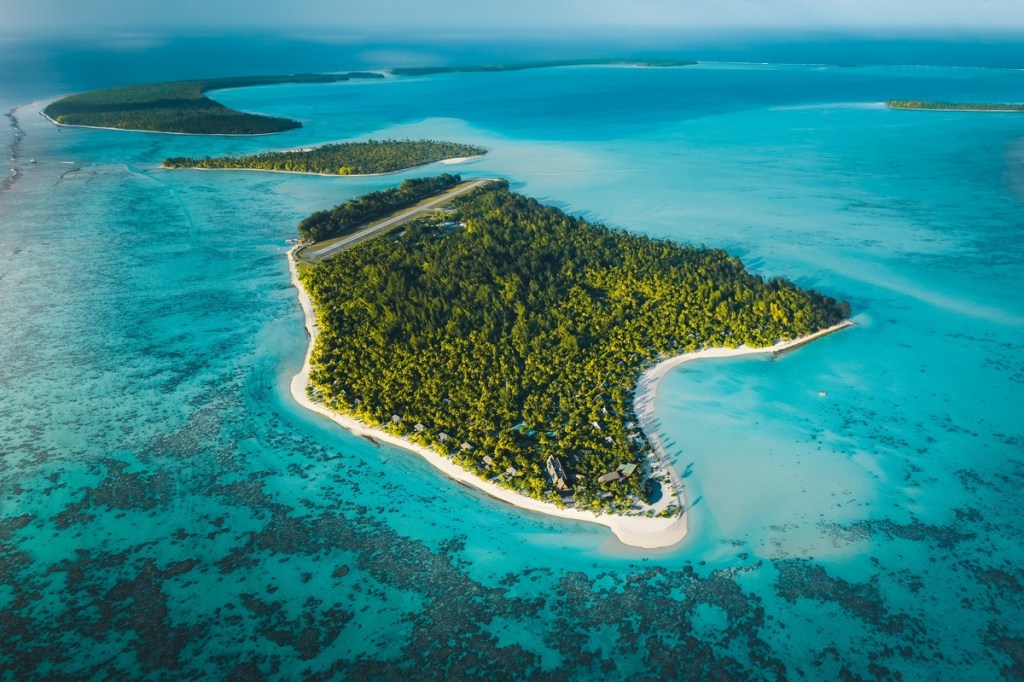
The article discusses the conservation efforts and challenges faced on Tetiaroa, a Pacific atoll consisting of twelve motus (small, low-lying sandy islets) around a coral reef. Home to the luxury resort The Brando, the atoll serves as a proving ground for remote conservation initiatives. Richard Bailey, co-founder of The Brando and manager of conservation through the Tetiaroa Society, challenges the romanticized view of the atoll, emphasizing its ecological value and the real-time impact of human activities such as erosion, coral stress, and skewed turtle hatchling genders due to rising sand temperatures. The article underscores the importance of balancing luxury tourism with conservation efforts in remote, ecologically sensitive areas.
Key Points:
- Tetiaroa, a Pacific atoll, is home to the luxury resort The Brando and serves as a conservation proving ground.
- The atoll consists of twelve motus, built on a coral reef, and faces real-time challenges such as erosion and coral stress.
- Richard Bailey, co-founder of The Brando and manager of conservation through the Tetiaroa Society, critiques the romanticized view of the atoll, highlighting its ecological significance.
- Rising sand temperatures are causing skewed turtle hatchling genders, underscoring the immediate impact of climate change on the atoll’s ecosystem.
Actionable Takeaways:
-
Conservation Integration in Luxury Tourism: The article highlights the need for integrating conservation efforts with luxury tourism models, particularly in ecologically sensitive areas like Tetiaroa. This approach can set a precedent for sustainable tourism practices, ensuring that high-end resorts contribute positively to local ecosystems. Relevance: As the travel industry increasingly focuses on sustainability, adopting such integrated models can enhance brand reputation and appeal to eco-conscious travelers.
-
Real-Time Monitoring for Effective Conservation: The emphasis on real-time monitoring of environmental changes on Tetiaroa demonstrates the importance of technology in conservation efforts. Implementing real-time data collection and analysis tools can help conservationists respond swiftly to emerging threats, such as coral bleaching or invasive species. Relevance: This approach aligns with the growing trend of using technology in travel and tourism to enhance visitor experiences while minimizing environmental impact, making it a valuable strategy for travel startups focused on eco-friendly innovations.
Contextual Insights:
The article reflects current industry trends towards sustainability and the integration of technology in conservation efforts. As the travel industry grapples with the impacts of climate change, there is a growing emphasis on balancing luxury experiences with ecological preservation. The Tetiaroa case study exemplifies how remote conservation initiatives can be effectively managed through innovative approaches, such as real-time monitoring and community-driven conservation strategies. Looking forward, similar models could be adopted by travel startups and established brands to enhance their sustainability credentials and appeal to a growing segment of environmentally conscious travelers. This contextual understanding underscores the importance of proactive, technology-driven conservation strategies in shaping the future of the travel industry.
Read the Complete Article.



