












Comprehensive Summarization:
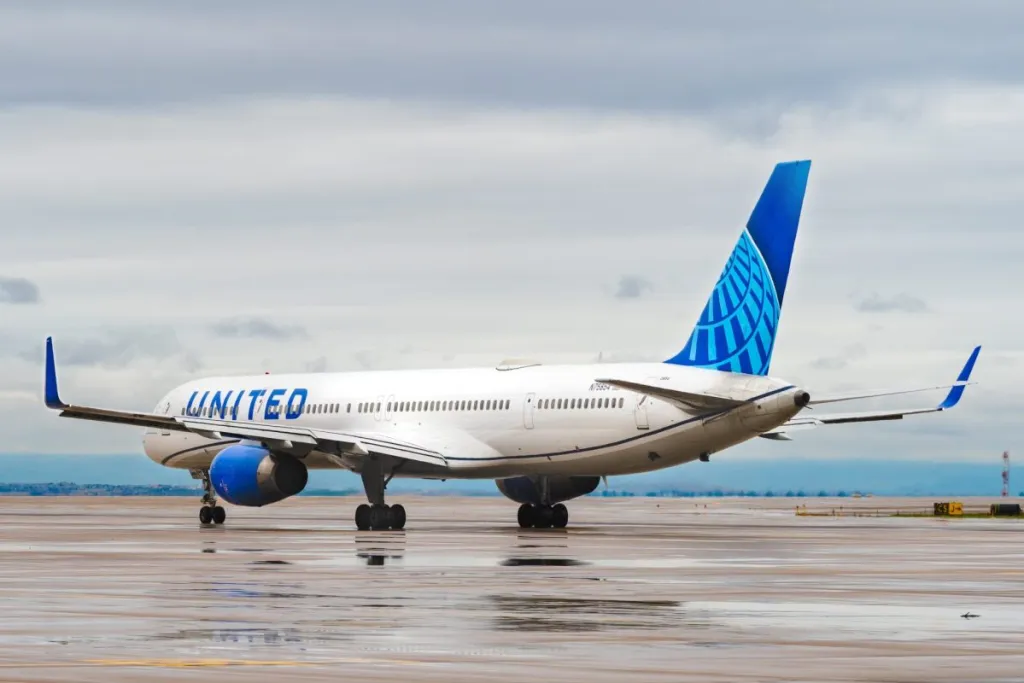
United Airlines has reported a “measurable negative impact” on bookings to the Caribbean following U.S. strikes on Venezuela. Andrew Nocella, United’s chief commercial officer, indicated during a call with analysts that while the company still sees potential for positive growth in the Caribbean, the situation is currently challenging. The Federal Aviation Administration (FAA) has imposed airspace restrictions, contributing to the decline in bookings. Despite these challenges, United remains optimistic about sequential improvements across all markets in the coming years.
Key Points:
- United Airlines has observed a negative impact on bookings to the Caribbean due to U.S. strikes on Venezuela.
- The FAA has imposed airspace restrictions affecting travel to the region.
- United’s chief commercial officer, Andrew Nocella, anticipates sequential improvements in the Caribbean market but remains cautious.
- The company remains optimistic about overall market growth in 2026.
Actionable Takeaways:
-
Monitor Caribbean Market Closely: Given the current negative impact on bookings, airlines and travel agencies should closely monitor the Caribbean market. Implementing targeted marketing strategies and flexible booking policies could help mitigate the impact and attract travelers once stability returns.
-
Leverage Flexible Booking Policies: In light of airspace restrictions and potential future uncertainties, airlines should consider offering flexible booking policies. This can help reassure travelers and encourage bookings, especially in regions prone to geopolitical tensions.
-
Focus on Diversification: To reduce dependency on specific markets, airlines should diversify their routes and destinations. This strategy can help spread risk and ensure steady growth across various regions, even if certain markets face challenges.
Contextual Insights:
The article reflects the ongoing challenges faced by the travel industry due to geopolitical tensions and their direct impact on travel bookings. The recent U.S. strikes on Venezuela have led to airspace restrictions, as enforced by the FAA, which have directly influenced travel demand to the Caribbean. This situation underscores the vulnerability of the travel sector to external geopolitical events.
Looking forward, the travel industry must remain agile and adaptable to navigate such uncertainties. The emphasis on diversification and flexible booking policies aligns with current industry trends, where resilience and adaptability are key to sustaining growth. Additionally, the focus on sequential improvements in the Caribbean market highlights the importance of patience and strategic planning in overcoming short-term setbacks.
In conclusion, while the Caribbean market faces immediate challenges, the broader travel industry should view these events as opportunities to innovate and strengthen their market positions. By adopting the actionable takeaways provided, airlines and travel agencies can better navigate the current landscape and position themselves for future success.
Read the Complete Article.



