












Comprehensive Summarization:
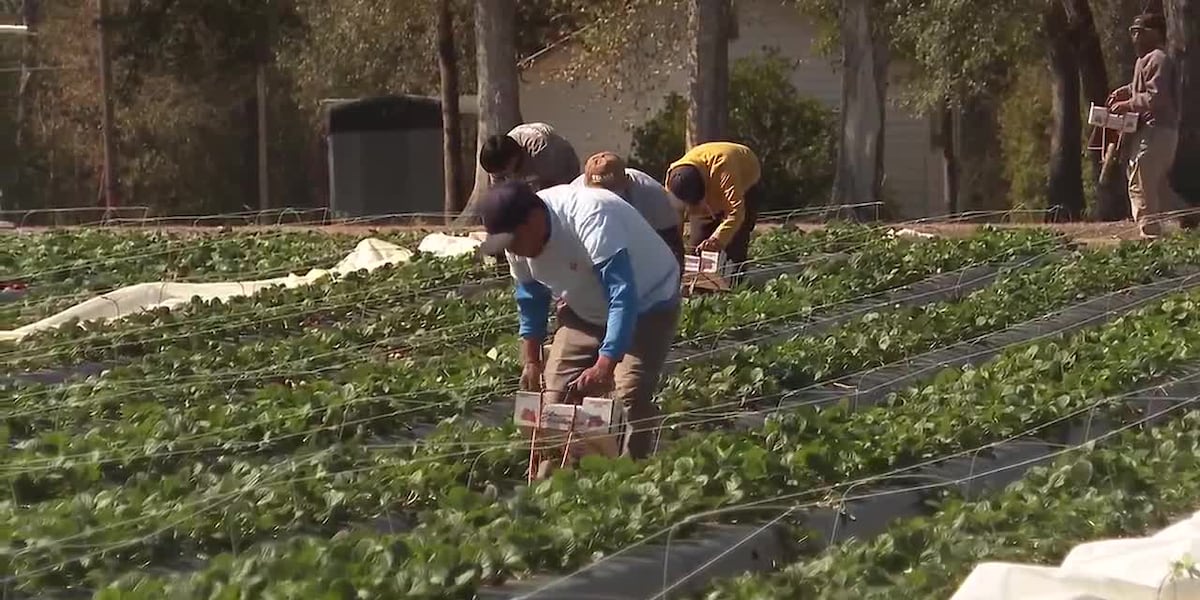
The article discusses U.S. Secretary of Agriculture Brooke Rollins’ comments on easing labor restrictions for Louisiana farmers, particularly those in the aquaculture industry, as planting season begins amid rising diesel prices and ongoing visa limitations. Rollins highlighted changes made to the H-2A visa program, which assists many Louisiana farmers, but noted that aquaculture operations like crawfish and shrimp farming face labor shortages under different visa programs, including H-1B. The administration is working to expedite changes to resolve labor issues and reduce the cost of the visa process for farmers. Rollins emphasized the administration’s inability to remove visa restrictions entirely.
Key Points:
- U.S. Secretary of Agriculture Brooke Rollins addressed labor restrictions for Louisiana farmers, focusing on the aquaculture industry.
- Changes have been made to the H-2A visa program to assist farmers, but aquaculture operations face labor shortages under different visa programs.
- The administration is working to expedite changes to resolve labor issues and reduce the cost of the visa process for farmers.
- The administration cannot remove visa restrictions entirely.
Actionable Takeaways:
-
Accelerated Visa Process for Aquaculture Farmers: The administration’s efforts to expedite changes in visa programs for aquaculture farmers could significantly reduce labor shortages in the industry. This action is crucial as it directly addresses the immediate challenge of workforce availability, potentially stabilizing production and supporting economic recovery in the sector.
-
Cost Reduction in Visa Processing: By working to reduce the cost of the visa process for farmers, the administration aims to alleviate financial burdens on agricultural operations. This reduction could make it more feasible for farmers to comply with visa requirements, encouraging greater participation in the aquaculture industry and fostering growth in this critical sector.
Contextual Insights:
The article’s context is deeply rooted in the current challenges faced by the agricultural sector, particularly in the aquaculture industry, which is vital for Louisiana’s economy. Rising diesel prices and visa limitations have created significant hurdles for farmers, impacting their ability to meet planting demands and maintain operational efficiency. The administration’s proactive approach to easing these restrictions reflects a broader trend of government intervention aimed at supporting critical industries during economic downturns. This initiative aligns with current industry trends emphasizing the importance of regulatory support and innovation in overcoming logistical and financial barriers. Furthermore, the focus on aquaculture highlights the sector’s resilience and potential for growth, even in the face of regulatory and economic challenges. As travel and tourism sectors continue to recover, the stability and growth of agricultural industries like aquaculture can indirectly support related sectors, such as hospitality and food services, by ensuring a steady supply of local produce and contributing to regional economic development.
Read the Complete Article.


