












Comprehensive Summarization:
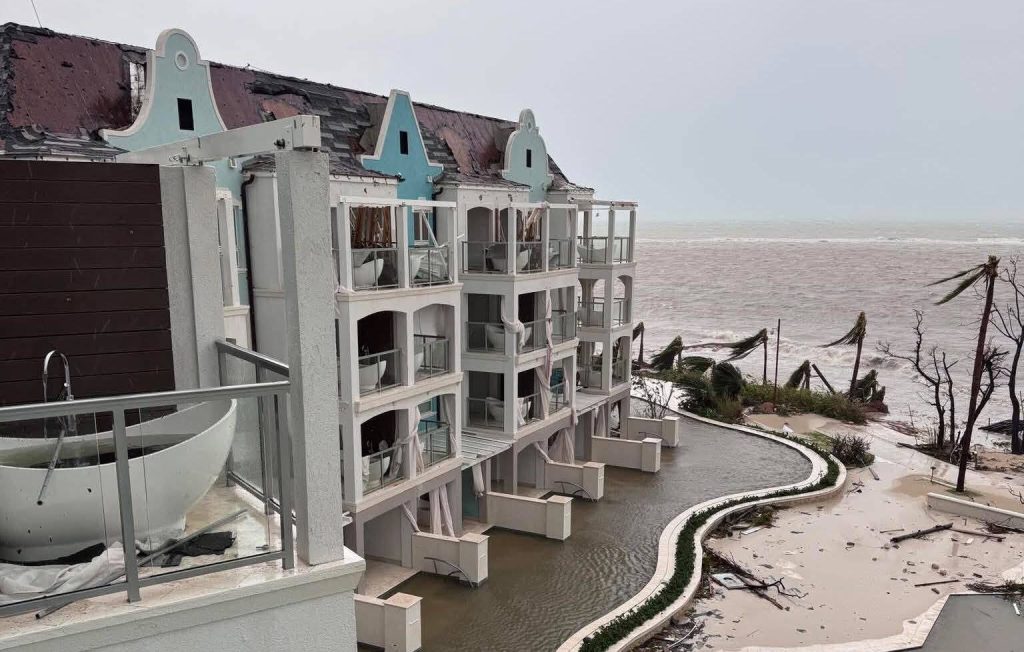
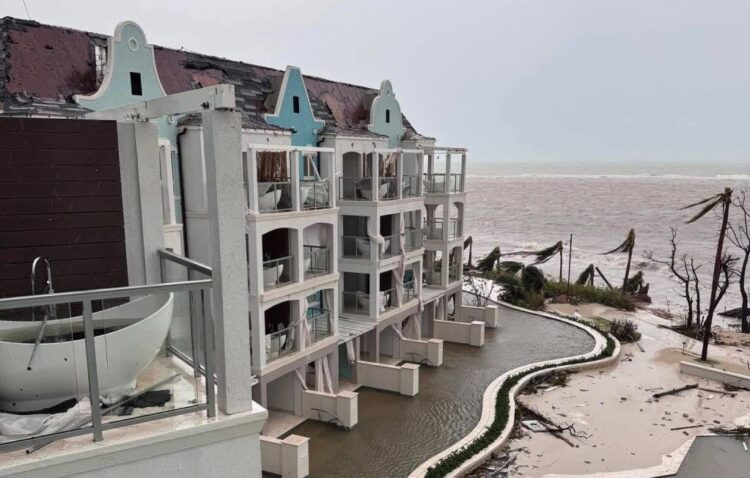
The article discusses the Caribbean Tourism Organization’s (CTO) CEO, Donna Regis-Prosper, addressing climate change as a present reality for the Caribbean region. Speaking at ITB Berlin, Regis-Prosper highlighted the region’s shift from debating greenhouse emissions to adapting to more frequent and severe storms, following Hurricane Melissa, one of the most destructive storms to hit the area. She emphasized the practical experience of enduring over 10 Category five hurricanes, underscoring the region’s resilience and adaptation strategies. The article also touches on the broader travel industry trends and insights, focusing on the evolving landscape of travel tech, startups, and fintech innovations.
Key Points:
- Donna Regis-Prosper, CEO of the Caribbean Tourism Organization, asserts that climate change is a current reality for the Caribbean, emphasizing the region’s adaptation to more frequent and severe storms post-Hurricane Melissa.
- The Caribbean Tourism Organization has moved beyond discussions on greenhouse emissions to focus on practical adaptation strategies in response to climate change.
- Regis-Prosper’s personal experience with over 10 Category five hurricanes underscores the resilience and adaptability of the Caribbean region in the face of climate challenges.
Actionable Takeaways:
-
Adaptation Strategies in Travel Industry: The shift in focus from emissions to adaptation strategies highlights the need for travel companies to invest in resilient infrastructure and sustainable practices. This is crucial for minimizing disruptions caused by severe weather events and ensuring long-term viability in a changing climate.
-
Importance of Practical Experience: Regis-Prosper’s emphasis on practical experience as the best teacher underscores the value of firsthand exposure to climate challenges. Travel companies should leverage real-world experiences to inform their adaptation strategies, fostering innovation and preparedness in the face of unpredictable weather patterns.
-
Leveraging Resilience for Competitive Advantage: The Caribbean’s ability to recover from severe storms like Hurricane Melissa can serve as a model for other regions facing similar climate risks. Travel companies can learn from this resilience to develop robust contingency plans, invest in climate-resilient technologies, and position themselves as leaders in sustainable and adaptable tourism.
Contextual Understanding:
The article reflects the current state of the travel industry amidst the pressing challenges of climate change. The shift in focus from emissions to adaptation strategies is indicative of a broader industry trend towards resilience and sustainability. The reference to Hurricane Melissa serves as a stark reminder of the increasing frequency and severity of natural disasters, prompting the travel industry to prioritize preparedness and adaptation. The insights provided align with the latest travel trends, emphasizing the importance of technological innovations, sustainable practices, and strategic planning in navigating the evolving landscape of global travel.
Handling Different Article Types:
The article is a news brief, providing factual information on the Caribbean Tourism Organization’s stance on climate change and its implications for the travel industry. The structured output format ensures that the key points and actionable takeaways are clearly delineated, making the information easily digestible for a professional audience. The contextual insights draw on the article’s content to offer forward-looking perspectives, aligning with current industry trends and expert opinions.
Read the Complete Article.



