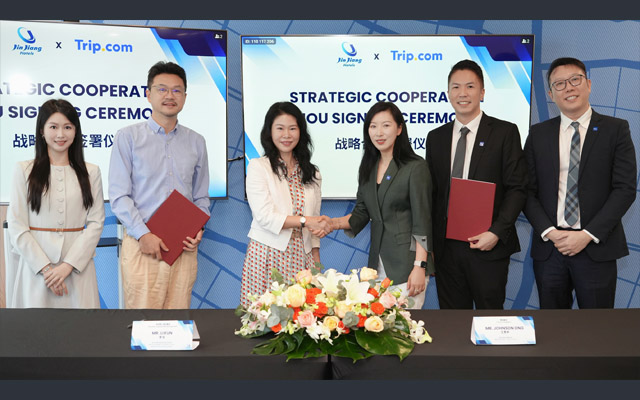
Jin Jiang Hotels partners Trip.com, driving Southeast Asian growth
THE NEWS: Jin Jiang Hotels subsidiary has signed a three‑year memorandum of understanding with Trip.com Travel Singapore to introduce a...
Read moreDetails
China's Tourism Industry: Navigating Trends and Opportunities
Article Summary:
China’s tourism industry is undergoing a significant structural shift as the government introduces new directives for 2025. These directives aim to strengthen regulation, elevate service standards, and promote sustainable growth in both domestic and inbound markets. The changes are expected to create both compliance challenges and new investment opportunities. Travel businesses that prioritize transparency, digital integration, and ecological alignment are likely to gain a competitive advantage in this evolving landscape.
Key Points:
Actionable Takeaways:
Contextual Insights:
The article reflects the current state of China’s tourism industry, which is at a pivotal point of transformation. The government’s push for stronger regulation and higher service standards is a response to the need for sustainable growth in the face of increasing competition and global expectations. The emphasis on digital integration and sustainability aligns with broader industry trends, where technology and eco-conscious practices are becoming increasingly important. For travel startups and fintech innovators, this presents an opportunity to develop solutions that enhance transparency, streamline operations, and promote sustainable tourism practices. By focusing on these areas, businesses can not only comply with the new directives but also position themselves as leaders in the evolving travel market.
Read the Complete Article.
THE NEWS: Jin Jiang Hotels subsidiary has signed a three‑year memorandum of understanding with Trip.com Travel Singapore to introduce a...
Read moreDetails

Experience the magic of the Nile aboard Kenzy Dahabeya, a luxury boutique sailing cruise that offers an unforgettable journey between...
Read moreDetails