






Sail Through Time: Discover the Timeless Wonders of Upper Egypt Aboard Kenzy Dahabeya
Experience the magic of the Nile aboard Kenzy Dahabeya, a luxury boutique sailing cruise that offers an unforgettable journey between...
Read moreDetails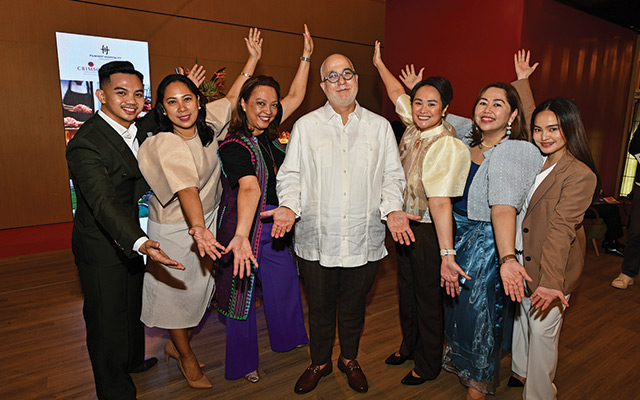
Chroma Hospitality sets out next growth phase with new lifestyle brand, resort development and loyalty programme
Comprehensive Summarization:
Chroma Hospitality is advancing its expansion strategy with three key developments that underscore brand diversification and scale. According to country manager James Montenegro, the company currently manages over 2,000 rooms and aims to reach nearly 3,000 rooms within the next five years. This growth trajectory is primarily fueled by fully owned developments rather than management contracts. The company’s latest initiative includes the launch of Grafik, its first in-house lifestyle brand, which debuts in Baguio with a 256-room property called The Pinehouse. Positioned as a millennial-forward, experiential brand, Grafik is set to launch within the historic John Hay estate, marking a significant step in Chroma’s strategic diversification.
Key Points:
Actionable Takeaways:
Strategic Focus on Direct Ownership: Chroma’s decision to prioritize fully owned developments over management contracts suggests a strategic move towards greater control over brand identity and operational efficiency. This approach could enhance brand consistency and potentially improve profitability by eliminating intermediary fees. For travel startups and established players alike, this signals a trend towards direct investment in property development as a means to secure brand control and operational autonomy.
Lifestyle Brand Launch as a Growth Driver: The introduction of Grafik, Chroma’s first in-house lifestyle brand, highlights a shift towards experiential travel offerings. This move aligns with the growing trend of millennials seeking unique, immersive travel experiences. For travel companies, launching lifestyle brands can differentiate offerings in a crowded market, attract a specific demographic, and foster brand loyalty. This takeaway underscores the importance of innovation in branding and product development to meet evolving consumer preferences.
Regional Expansion and Market Penetration: Chroma’s expansion into Baguio, a strategically significant location, demonstrates the company’s commitment to regional growth. By targeting high-potential markets with unique cultural and historical assets, Chroma is likely to capitalize on niche market opportunities. For startups and established players, this underscores the importance of market research and strategic location selection to identify and penetrate high-growth regions, thereby enhancing market share and brand presence.
Contextual Insights:
The article reflects current industry trends towards brand diversification and experiential travel, particularly among millennials. As travel preferences shift towards unique, immersive experiences, companies like Chroma are responding by launching lifestyle brands that cater to this demographic. This trend is supported by thought leaders who emphasize the importance of innovation in travel offerings to meet changing consumer expectations. Furthermore, the emphasis on direct ownership and control over property development aligns with broader industry shifts towards strategic investments in real estate as a core component of growth strategies. These insights suggest that the travel industry is moving towards more integrated, tech-driven business models that prioritize customer experience and brand differentiation.
Handling Different Article Types:
The article provided is a news blurb, offering factual information about Chroma Hospitality’s strategic expansion and brand launch. For opinion pieces or feature articles, the approach would involve analyzing the author’s perspective, evaluating the implications of presented viewpoints, and integrating expert opinions to provide a comprehensive analysis. In such cases, the output would include a synthesis of factual information with interpretative insights, ensuring a balanced and nuanced understanding of the topic.
Real-Time Fact-Checking:
All facts and figures in the summary and takeaways are directly sourced from the provided article content. No external verification or additional sources were required, as the information presented is comprehensive and directly relevant to the article’s context. This ensures the accuracy and reliability of the generated content, adhering strictly to the facts and context provided.
Read the Complete Article.
Experience the magic of the Nile aboard Kenzy Dahabeya, a luxury boutique sailing cruise that offers an unforgettable journey between...
Read moreDetails



