












Article Summary:
In 2025, Croatia’s tourism sector experienced varied results, with coastal regions continuing to thrive while some inland counties faced declines. The overall picture remains positive, with the country’s tourism industry showing resilience and growth despite regional disparities. The country saw 21.8 million visitors, marking a 2.2% increase from 2024, and recorded 110.1 million overnight stays, representing a 1.2% increase.
Key Points:
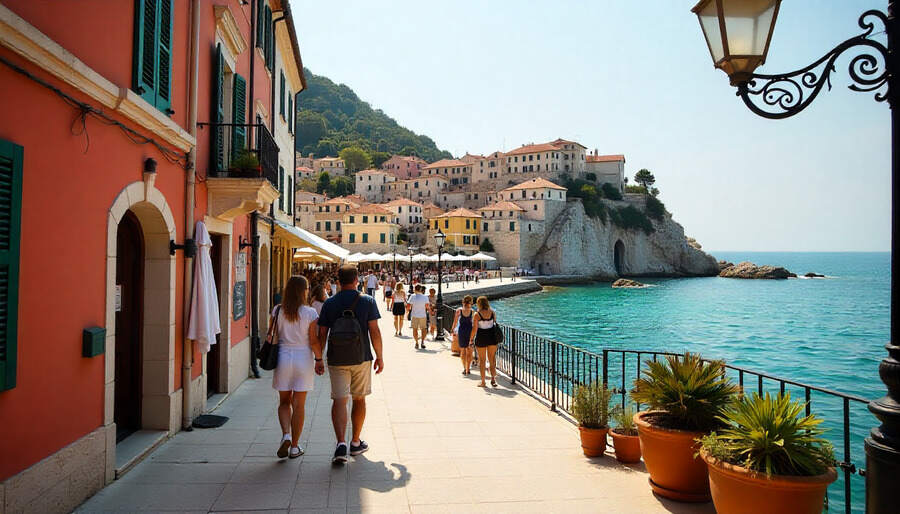
- Coastal regions in Croatia continued to thrive in tourism, contributing significantly to the overall growth.
- Inland regions faced persistent challenges in attracting tourists, indicating regional disparities within the country’s tourism sector.
- Despite these challenges, the overall tourism industry in Croatia showed resilience and growth in 2025.
- The country recorded a 2.2% increase in visitors and a 1.2% increase in overnight stays compared to the previous year.
Actionable Takeaways:
-
Targeted Marketing Strategies for Inland Regions: Given the challenges faced by inland regions, tourism authorities and businesses should develop targeted marketing strategies to attract more visitors. This could include highlighting unique local attractions, offering competitive pricing, or improving infrastructure to make inland areas more appealing to tourists.
-
Leverage Coastal Region Success: The success of coastal regions can serve as a model for other areas. By understanding what makes these regions popular (e.g., beaches, cultural attractions, ease of access), inland regions can adopt similar strategies to boost their appeal.
-
Invest in Tourism Infrastructure: Improving infrastructure in inland regions can enhance the tourist experience, making these areas more attractive to visitors. This could involve upgrading transportation links, improving accommodation options, or developing recreational facilities.
Contextual Insights:
The article reflects the ongoing challenges and opportunities within the travel industry, particularly in the context of regional disparities. The resilience shown by Croatia’s tourism sector, despite these challenges, highlights the sector’s adaptability and potential for growth. This aligns with broader industry trends where regions with unique offerings or improved infrastructure tend to attract more visitors. The focus on coastal areas achieving new heights in growth underscores the importance of leveraging natural attractions and ensuring accessibility to maximize tourism potential. For travel startups and fintech innovations, there is an opportunity to develop solutions that address the specific needs of inland regions, such as digital platforms that promote these areas or fintech tools that make travel to these regions more accessible and affordable.
Read the Complete Article.

