












Article Summary:
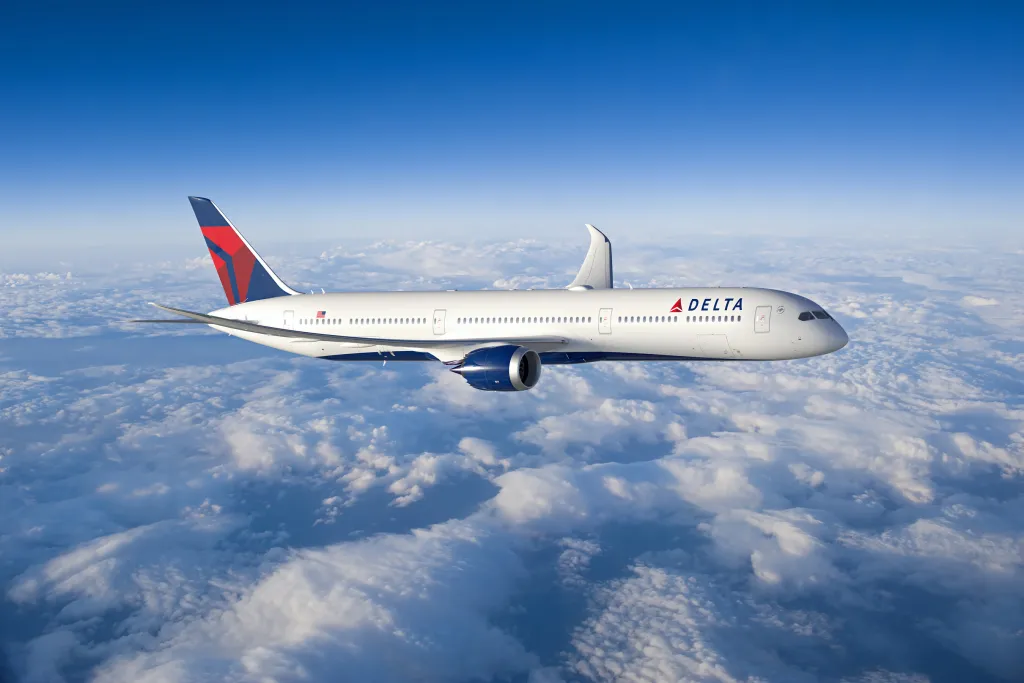
Delta Air Lines has announced its intention to order 30 Boeing 787 Dreamliners as part of its strategy to streamline its fleet and support international expansion. This move follows a previous significant order for 100 Boeing 737 Max 10s, which is anticipated to receive FAA certification later this year. The new aircraft will primarily be utilized for transatlantic routes, reflecting Delta’s ongoing efforts to enhance its international network.
Key Points:
- Delta Air Lines is ordering 30 Boeing 787 Dreamliners to modernize its fleet and bolster its international presence.
- The airline previously placed a large order for 100 Boeing 737 Max 10s, with certification expected later this year.
- The new 787 Dreamliners will be used for transatlantic flights, indicating a strategic focus on long-haul international routes.
Actionable Takeaways:
- Fleet Modernization and International Expansion: Delta’s acquisition of 30 Boeing 787 Dreamliners is a strategic move aimed at modernizing its fleet and expanding its international operations. This investment underscores the airline’s commitment to enhancing its global network, particularly on transatlantic routes. For industry stakeholders, this signals a trend towards fleet modernization and the strategic use of long-haul aircraft to capture premium international markets.
- FAA Certification and Regulatory Compliance: The pending FAA certification of the Boeing 737 Max 10s highlights the ongoing regulatory landscape in the aviation industry. Companies should remain vigilant about regulatory updates and ensure compliance to avoid operational disruptions. This takeaway emphasizes the importance of staying informed about regulatory developments to maintain smooth operations and avoid potential delays or compliance issues.
Contextual Insights:
Delta’s strategic decisions reflect broader industry trends towards fleet modernization and international expansion. The aviation sector is witnessing a shift towards more fuel-efficient and technologically advanced aircraft, such as the Boeing 787 Dreamliner, to meet growing demand for international travel. This move aligns with the industry’s push towards sustainability and improved passenger experience. Furthermore, the certification of the Boeing 737 Max 10s underscores the importance of regulatory compliance in the aviation sector, where delays can significantly impact operational efficiency and profitability. For travel startups and fintech innovators, this context highlights the need for agile regulatory compliance strategies and the potential for partnerships with established airlines to leverage their fleet modernization efforts.
Read the Complete Article.



