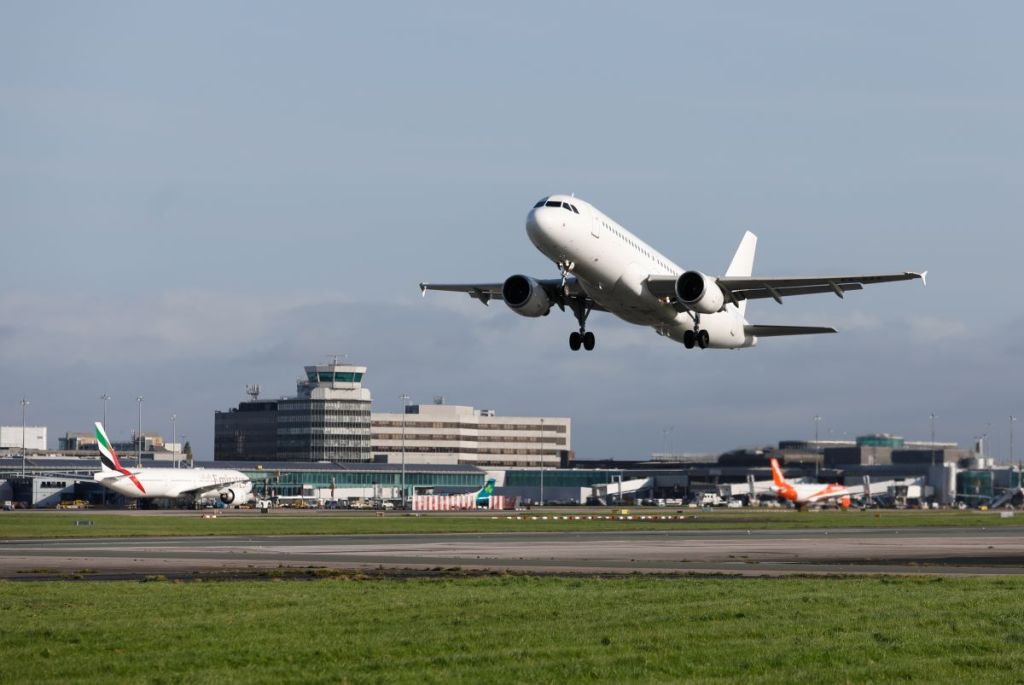
UK airports hide huge traffic shift in records
THE NEWS: UK airports handled more than 81 million passengers in the second quarter (April‑June), an increase of almost 123,000 passengers...
Read moreDetails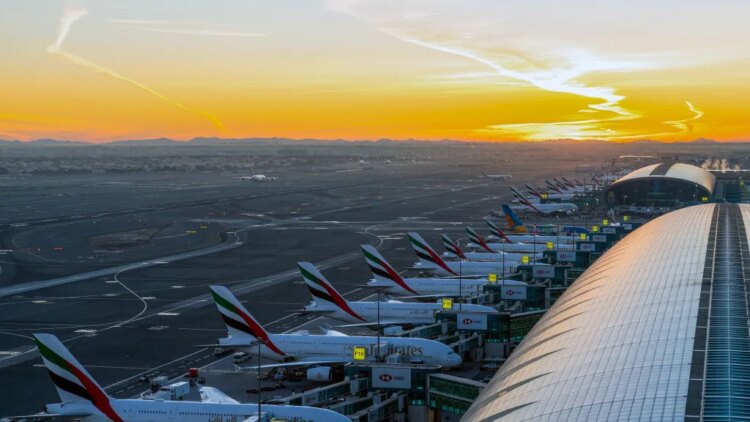
Photo Credit: Dubai International Airport moved 95.2 million passengers in 2025. Dubai Airports
Comprehensive Summarization:
Dubai International Airport (DXB) has set a new benchmark in the travel industry by handling a record 95.2 million passengers in 2025, establishing itself as the world’s largest hub for international travel. This milestone underscores Dubai’s pivotal role in global aviation. The article highlights that India, Saudi Arabia, and the UK were the top source countries, while China, Egypt, and Italy experienced the fastest passenger growth rates. Looking ahead, Dubai has ambitious plans to transition to the new Al Maktoum International Airport (DWC) by 2032, which is projected to handle up to 260 million passengers annually. This transition signifies a significant leap in capacity and capacity planning within the aviation sector.
Key Points:
Actionable Takeaways:
Investment in Airport Infrastructure: The transition to DWC by 2032 presents a significant opportunity for investors in airport infrastructure and aviation technology. This move indicates a forward-thinking approach to meeting future passenger demands, suggesting that stakeholders should consider investments in scalable and sustainable airport solutions.
Focus on Emerging Markets: The rapid growth in passenger numbers from countries like China, Egypt, and Italy highlights the expanding reach of Dubai as a global travel hub. Companies and startups in the travel tech sector should focus on developing solutions that cater to these emerging markets, leveraging the growing demand for international travel.
Sustainability and Capacity Planning: With Dubai aiming to handle up to 260 million passengers by 2032, there is a clear emphasis on sustainable growth and capacity planning. Companies involved in aviation and travel services should prioritize sustainable practices and technologies to support this ambitious growth trajectory, ensuring long-term viability and competitiveness in the industry.
Contextual Understanding:
The article reflects the ongoing evolution of the global travel industry, marked by record-breaking passenger volumes and strategic infrastructure developments. Dubai’s ambition to become the world’s largest airport hub underscores the industry’s trend towards expanding capacity to meet surging demand. The focus on emerging markets like China, Egypt, and Italy highlights the globalization of travel and the need for airports to adapt to diverse passenger demographics. Technological advancements in airport operations and passenger experience are also emphasized, indicating a shift towards smarter, more efficient travel ecosystems. These insights are crucial for stakeholders in the travel industry, as they provide a forward-looking perspective on the sector’s trajectory and the opportunities and challenges that lie ahead.
Read the Complete Article.
THE NEWS: UK airports handled more than 81 million passengers in the second quarter (April‑June), an increase of almost 123,000 passengers...
Read moreDetails

Experience the magic of the Nile aboard Kenzy Dahabeya, a luxury boutique sailing cruise that offers an unforgettable journey between...
Read moreDetails