












Comprehensive Summarization:
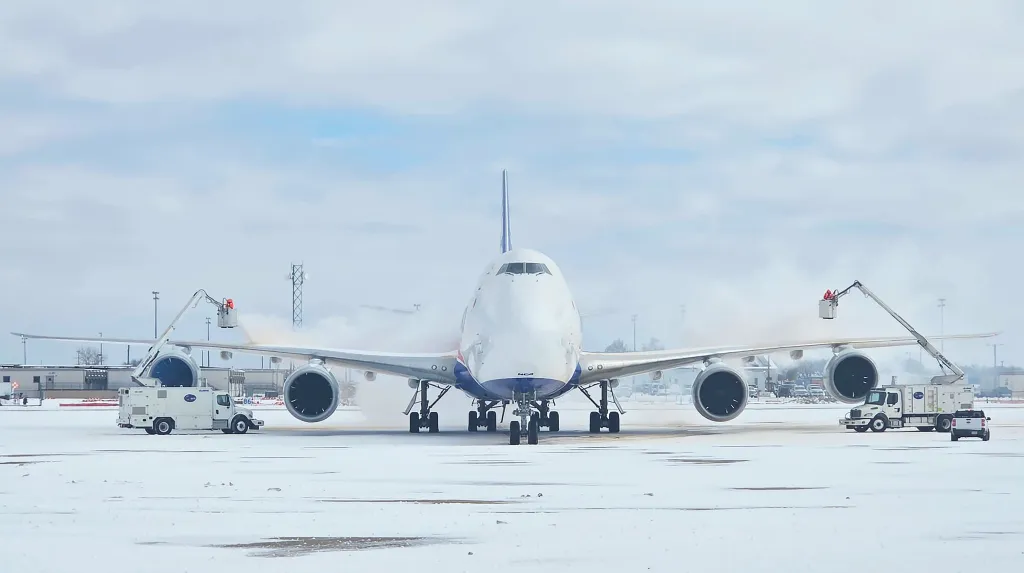
The article discusses the impact of Winter Storm Gianna on the United States’ travel industry, following the cancellation of over 20,000 flights due to a previous storm. This disruption underscores a growing concern among travelers regarding weather-related risks, as extreme weather events are increasingly disrupting flights and travel plans nationwide. The storm resulted in more than 14,500 cancellations on a single day, marking the worst single-day disruption since the Covid-19 pandemic. Josh Weiss from the National Oceanic and Atmospheric Administration described the storm as “unique,” highlighting its potential implications for travel planning and operations.
Key Points:
- Winter Storm Gianna is developing off the southeastern coast of the United States, leading to significant flight cancellations.
- The storm has resulted in over 14,500 flight cancellations in a single day, the highest since the Covid-19 pandemic.
- Winter Storm Gianna is described as “unique,” indicating its potential to set new benchmarks for weather-related travel disruptions.
- The storm highlights a broader shift in how travelers perceive and respond to weather risks in travel planning.
Actionable Takeaways:
-
Enhanced Weather Risk Management: Travel companies should invest in advanced weather forecasting tools and predictive analytics to better manage and communicate weather-related risks to travelers. This proactive approach can help mitigate the impact of extreme weather events on travel plans and improve customer satisfaction.
-
Flexible Cancellation Policies: Airlines and travel service providers should consider implementing more flexible cancellation policies in response to severe weather events. This can provide travelers with greater peace of mind and reduce the financial burden of last-minute cancellations, aligning with the industry’s need to adapt to increasing weather-related disruptions.
-
Investment in Resilient Infrastructure: The travel industry should prioritize investments in resilient infrastructure and operational protocols to withstand severe weather events. This includes upgrading airport facilities, improving ground transportation networks, and enhancing communication systems to ensure continuity of services during adverse weather conditions.
Contextual Insights:
The article reflects the evolving landscape of the travel industry in the face of increasingly unpredictable weather patterns. Recent events, such as Winter Storm Gianna, underscore the necessity for the industry to adapt to these challenges. The shift in traveler behavior towards greater awareness of weather risks highlights a broader trend towards risk-aware travel planning. This context is crucial for travel startups and fintech companies looking to innovate in areas such as travel insurance, weather risk management tools, and flexible booking platforms. By leveraging real-time weather data and predictive analytics, these companies can offer enhanced services that cater to the growing demand for weather-resilient travel solutions. The insights provided in the article serve as a reminder for industry stakeholders to remain agile and forward-thinking in their strategies to navigate the complexities of modern travel.
Read the Complete Article.



