












Comprehensive Summarization:
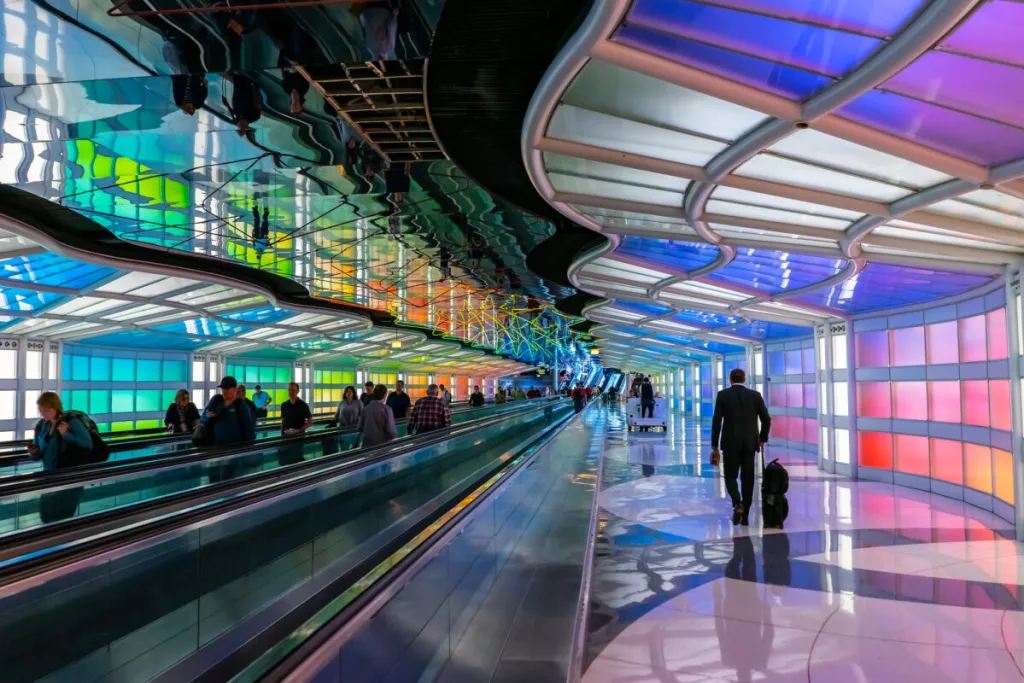
The Federal Aviation Administration (FAA) is contemplating reducing flights out of Chicago O’Hare this summer due to congestion concerns. This decision comes as American and United Airlines are engaged in a competitive turf war at the airport. The FAA plans to hold a meeting on March 4 to discuss flight restrictions, with a focus on decreasing flight delays and overscheduling during peak hours. FAA chief Bryan Bedford warned airlines during a closed-door meeting that the agency does not want a repeat of the issues faced at Newark last summer, which included overcapacity, air traffic control staffing shortages, and outdated technology. The article also touches on the latest travel trends and insights from thought leaders, highlighting the importance of addressing congestion and operational efficiency in the travel industry.
Key Points:
- The FAA is considering reducing flights out of Chicago O’Hare this summer to address congestion issues.
- The decision is prompted by concerns over flight delays and overscheduling, particularly due to the competitive rivalry between American and United Airlines at the airport.
- The FAA plans to hold a meeting on March 4 to discuss flight restrictions and strategies to mitigate delays.
- FAA chief Bryan Bedford emphasized the need to avoid a repeat of the issues seen at Newark last summer, which were attributed to overcapacity, staffing shortages, and outdated technology.
- The article also references the latest travel trends and insights from industry thought leaders, emphasizing the importance of operational efficiency and technological advancements in the travel sector.
Actionable Takeaways:
-
Implement Strategic Flight Reductions: The FAA’s consideration of reducing flights out of Chicago O’Hare could help alleviate congestion and reduce delays. This action is crucial for improving the overall efficiency of the airport and enhancing the passenger experience. By carefully managing flight schedules, airlines can better align supply with demand, thereby optimizing airport operations.
-
Enhance Air Traffic Control Staffing: Addressing staffing shortages in air traffic control is essential to prevent operational bottlenecks. Ensuring adequate staffing levels will help maintain smooth operations during peak hours, reducing the likelihood of delays and improving the reliability of air travel. This measure is particularly relevant as airlines compete for market share, necessitating a robust infrastructure to support increased traffic.
-
Invest in Technological Upgrades: The mention of outdated technology as a contributing factor to the congestion issues underscores the need for technological advancements in air traffic management. Upgrading systems and infrastructure can lead to more efficient air traffic control, reducing the risk of overcapacity and improving safety. This investment aligns with broader industry trends towards digital transformation and smart airport solutions.
Contextual Insights:
The FAA’s decision to consider flight reductions at Chicago O’Hare is rooted in the current challenges faced by the aviation industry, particularly the competitive pressures between major airlines like American and United. The turf war at the airport has highlighted the need for operational efficiency and effective management of air traffic to prevent congestion-related issues. This context is further reinforced by the recent meeting scheduled for March 4, indicating a proactive approach by the FAA to address these challenges.
In the broader context of the travel industry, the article aligns with current trends towards optimizing airport operations and enhancing passenger experience through technological innovation. Thought leaders emphasize the importance of leveraging data analytics, AI, and automation to streamline processes and reduce delays. The FAA’s focus on these areas reflects a growing industry-wide commitment to adopting cutting-edge technologies to meet the demands of modern air travel.
Moreover, the article’s emphasis on avoiding a repeat of past issues at Newark underscores the industry’s lessons learned from previous congestion crises. By integrating insights from travel tech and fintech sectors, airports can develop more resilient and adaptable systems capable of handling fluctuating demand. This forward-looking perspective is crucial for sustaining growth and ensuring the long-term viability of air travel hubs like Chicago O’Hare.
Read the Complete Article.



