












Article Summary:
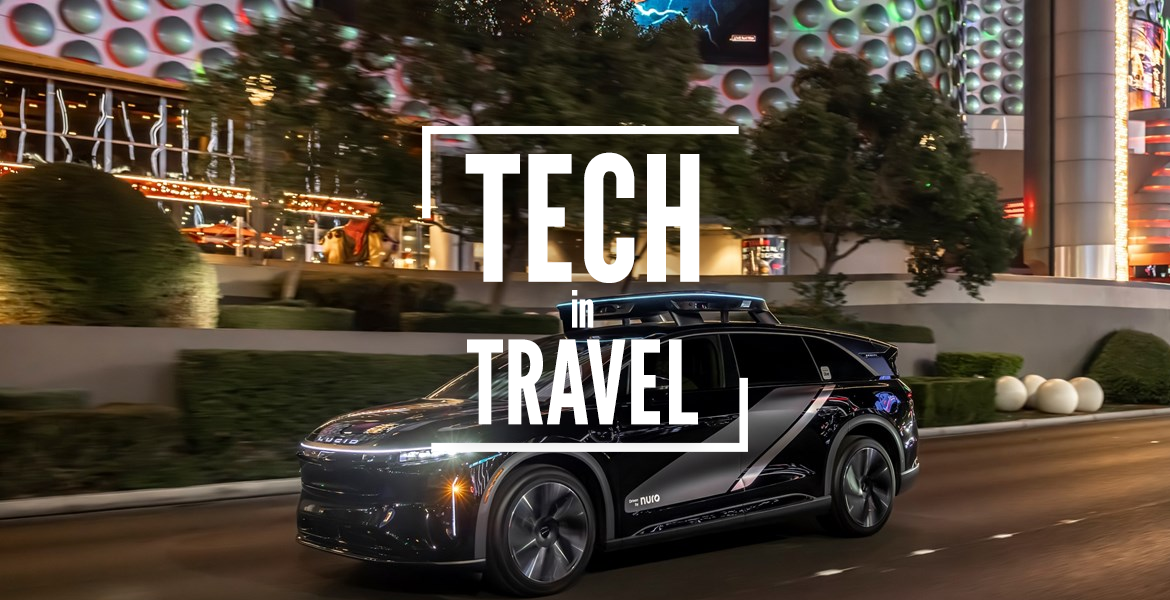
Uber, Nuro, and Lucid have initiated robotaxi road tests ahead of their planned 2026 commercial launch. The testing, announced at CES 2026, involves Nuro overseeing the trials alongside autonomous vehicle operators, with Lucid Gravity electric vehicles equipped with Nuro’s autonomy system. The program aims to provide a rider experience featuring real-time in-vehicle visualization of the vehicle’s path and surroundings, LED identifiers, and status updates. This development marks a significant step in the advancement of autonomous vehicle technology within the travel and transportation sectors.
Key Points:
- Uber, Nuro, and Lucid have commenced robotaxi testing, with commercial services expected in the San Francisco Bay Area by late 2026.
- The testing is led by Nuro, utilizing Lucid Gravity electric vehicles equipped with Nuro’s autonomy system.
- The program includes real-time in-vehicle visualization of the vehicle’s path and surroundings, LED identifiers, and status updates for riders.
- The initiative is part of a broader trend in the travel industry towards integrating advanced autonomous vehicle technologies.
Actionable Takeaways:
- Investment in Autonomous Vehicle Technology: Companies like Uber, Nuro, and Lucid are heavily investing in autonomous vehicle technology, signaling a strong industry trend towards innovation in transportation. This could lead to increased competition and rapid advancements in autonomous vehicle capabilities, potentially reshaping the travel and logistics sectors.
- Focus on Rider Experience: The inclusion of real-time in-vehicle visualization and LED identifiers indicates a focus on enhancing the rider experience. This focus on user experience is crucial for the adoption of autonomous vehicles, as it addresses concerns related to safety and convenience, potentially accelerating market acceptance.
- Strategic Timing for Market Entry: The planned commercial launch in late 2026 suggests a strategic approach to entering the market. Companies are likely preparing for regulatory approvals, infrastructure development, and partnerships to ensure a smooth transition to commercial operations, which could set a benchmark for other startups in the autonomous vehicle sector.
Contextual Insights:
The launch of robotaxi services by Uber, Nuro, and Lucid aligns with the ongoing global trend towards integrating advanced technologies in the travel industry. As autonomous vehicle technology matures, it is poised to revolutionize transportation by offering safer, more efficient, and potentially more cost-effective travel solutions. This development is particularly relevant in urban areas like the San Francisco Bay Area, where demand for innovative transportation solutions is high. Furthermore, the emphasis on rider experience highlights the importance of user-centric design in the adoption of new technologies. As the industry continues to evolve, stakeholders should closely monitor these advancements, as they could drive significant shifts in market dynamics, regulatory frameworks, and consumer expectations within the travel and transportation sectors.
Read the Complete Article.



