













Article Summary:
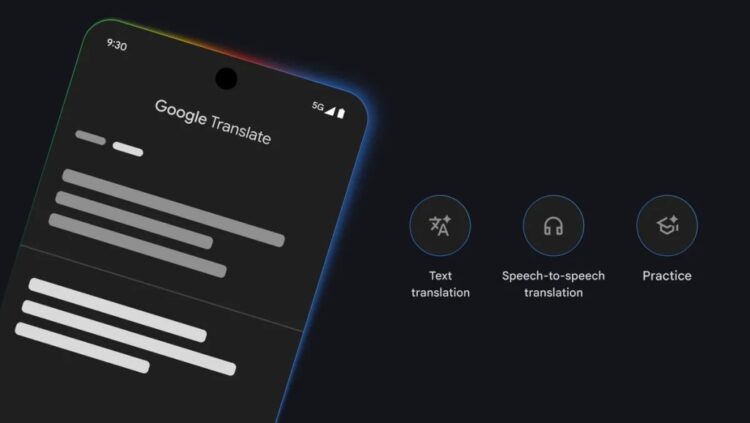
Google has introduced a beta feature in its Translate app that allows Android users to point their phones at a speaker and receive live translations in over 70 languages through any wired or wireless headphones. This feature, powered by Gemini, aims to preserve the speaker’s rhythm and emphasis, effectively turning ordinary headphones into a basic interpreter. For travel operators, this innovation enables tourists to “bring their own” translation device, eliminating the need for dedicated headsets or waiting for an English-language slot. This development is particularly relevant for travel operators looking to enhance the travel experience for tourists by providing on-the-go translation capabilities.
Key Points:
- Google Translate app now offers live translation through headphones in more than 70 languages.
- The feature relies on Gemini technology to maintain the speaker’s rhythm and emphasis.
- This innovation allows tourists to use their own devices for translation, enhancing their travel experience.
- The live audio feature is available in a beta mode, indicating it is still in testing and refinement.
Actionable Takeaways:
- Enhanced Travel Experience: Travel operators can leverage this Google Translate feature to offer tourists a more personalized and efficient translation experience. By allowing tourists to use their own headphones, operators can reduce the need for additional translation devices, thereby lowering operational costs and improving customer satisfaction.
- Competitive Advantage: Incorporating this live translation technology can give travel companies a competitive edge. Offering a cutting-edge translation solution can attract tech-savvy travelers and set a company apart from competitors who may still rely on traditional translation methods.
- Scalability and Flexibility: The beta mode suggests that this feature is still evolving. Travel operators can stay ahead of the curve by adopting this technology early, ensuring they are prepared to integrate future updates and improvements as they become available. This forward-thinking approach can position companies as leaders in innovative travel solutions.
Contextual Insights:
The introduction of live translation through headphones aligns with the broader trend of integrating artificial intelligence and machine learning into travel technology. As the travel industry continues to embrace digital transformation, innovations like these are becoming increasingly important. The ability to provide real-time, on-the-go translation services caters to the growing demand for seamless, personalized travel experiences. Furthermore, this development reflects the ongoing emphasis on accessibility and inclusivity in travel, ensuring that language barriers do not hinder the travel experience for tourists worldwide. As travel operators adopt such technologies, they not only enhance their service offerings but also contribute to the broader goal of making travel more accessible and enjoyable for all.
Read the Complete Article.



