












Comprehensive Summarization:
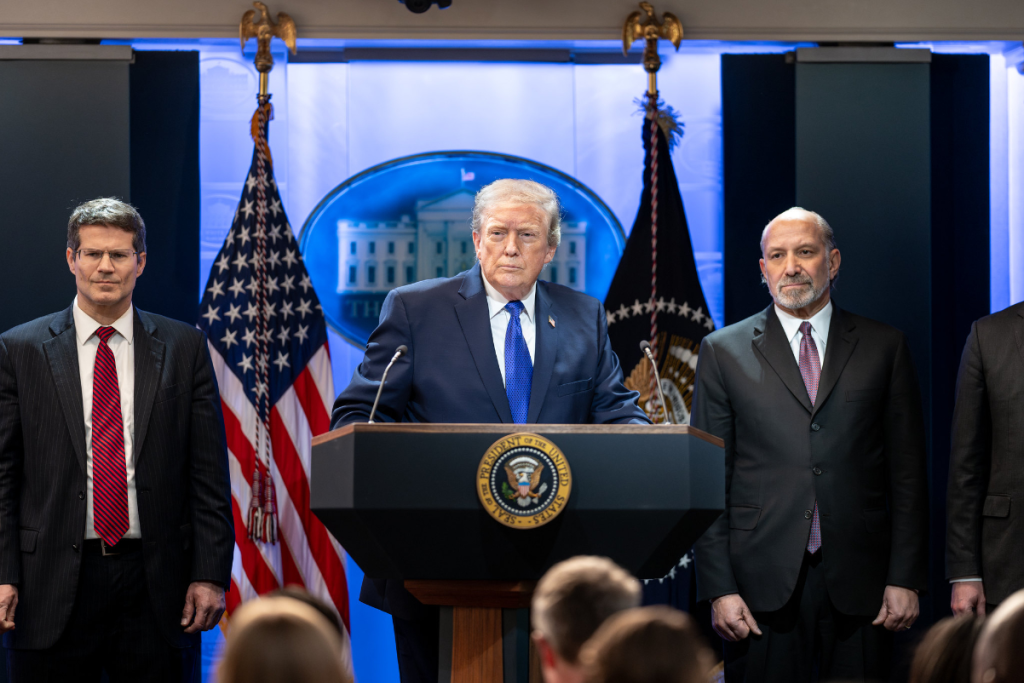
The article discusses the U.S. Supreme Court’s ruling on President Trump’s 2025 tariffs, which deemed many of them illegal. This decision has prompted hotel owners to inquire about potential cost reductions and refunds on tariffs already paid for imported goods such as furniture and fixtures. President Trump announced a 10% global tariff initially and later increased it to 15%, causing confusion among hotel operators and their suppliers. Alan Benjamin, president of Benjamin West, a procurement firm, noted the prevalence of disinformation in the aftermath of these tariff changes.
Key Points:
- The U.S. Supreme Court ruled that many of President Trump’s 2025 tariffs were illegal.
- Hotel owners are questioning whether costs will decrease and if they can receive refunds on tariffs already paid for imported goods.
- President Trump raised the tariff from 10% to 15%.
- Alan Benjamin highlighted the presence of more disinformation than factual information regarding these tariff changes.
Actionable Takeaways:
- Monitor Tariff Changes: Hotel owners and suppliers should closely monitor tariff changes to assess potential impacts on costs and explore refund opportunities. This is crucial for managing budgets and pricing strategies in the hotel industry.
- Verify Information Sources: Given the prevalence of disinformation, it is essential to rely on verified sources for accurate information regarding tariff changes and their implications. This ensures informed decision-making and avoids potential financial losses due to misinformation.
Contextual Insights:
The ruling on President Trump’s tariffs reflects ongoing regulatory scrutiny in the U.S. economy, particularly concerning trade policies. This development is significant for the travel industry, especially for hotel owners who rely on imported goods. The confusion caused by tariff changes underscores the need for clear communication and reliable information sources to navigate such regulatory shifts effectively. As the travel industry continues to evolve, staying informed about regulatory changes and their potential financial impacts will be key to maintaining competitiveness and profitability. The article also highlights the importance of fact-checking in an era where misinformation can spread rapidly, emphasizing the role of trusted sources in maintaining industry integrity.
Read the Complete Article.



