












Article Summary:
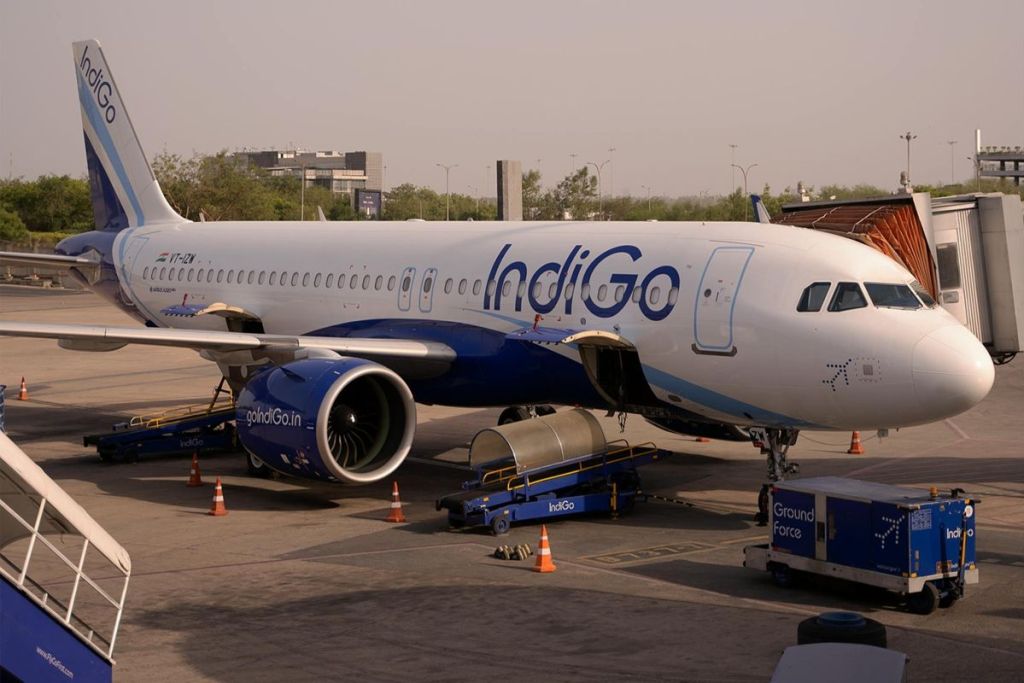
IndiGo, India’s largest airline, experienced a significant operational meltdown from December 2 to December 5, 2025, resulting in the cancellation of approximately 3,000 flights, with a peak of 1,000 flights canceled on a single day. The airline’s on-time performance plummeted to just 3.7% across the six major Indian metros on December 5. The airline attributes the disruptions to a combination of technology glitches and adverse weather conditions.
Key Points:
- IndiGo canceled about 3,000 flights in the past week, with a peak of 1,000 flights canceled on one day.
- The airline’s on-time performance dropped to 3.7% across the six major Indian metros on December 5.
- IndiGo’s operational issues were attributed to technology glitches and adverse weather conditions.
- The airline operates two of the three daily flights in India and has built its brand on on-time performance over the past two decades.
Actionable Takeaways:
- Operational Resilience: Airlines must invest in robust technology systems to mitigate disruptions caused by glitches. This takeaway is relevant as it highlights the critical need for technological advancements in the travel industry to maintain high service standards.
- Weather Preparedness: Airlines should enhance their weather monitoring and contingency planning to minimize delays caused by adverse weather conditions. This is particularly relevant given the significant impact of weather on the airline’s performance during the specified period.
- Brand Reputation Management: In the event of operational disruptions, airlines should communicate transparently with customers to manage expectations and maintain brand reputation. This takeaway is crucial for maintaining customer trust and loyalty in the face of operational challenges.
Contextual Insights:
The operational challenges faced by IndiGo underscore the importance of technological innovation and preparedness in the travel industry. The incident highlights the vulnerability of airlines to external factors such as technology glitches and adverse weather, which can significantly impact service quality and customer satisfaction. Moving forward, the travel industry must focus on enhancing operational resilience through advanced technology solutions and comprehensive contingency planning. Additionally, maintaining transparent communication with customers during disruptions is vital for preserving brand reputation and customer trust. These insights are pertinent to the current state of the travel industry, where operational efficiency and customer experience are paramount.
Read the Complete Article.



