












Article Summary:
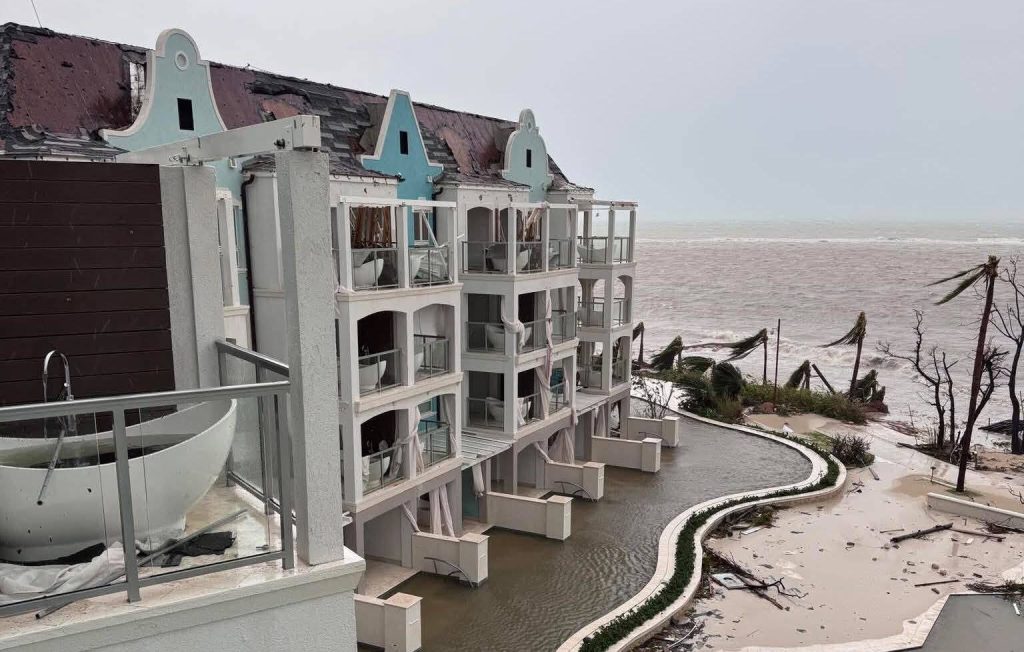
Hurricane Melissa, the strongest storm to hit Jamaica in over 30 years, made landfall in late October, causing significant disruption to the island’s tourism sector. The storm led to the closure of at least 26 resorts, resulting in an estimated $8.8 billion in physical damage. Given that tourism accounts for more than 30% of Jamaica’s GDP and supports 175,000 direct jobs and 354,000 indirect positions, the closures represent a substantial economic impact and long-term challenges for the island’s tourism industry. The article underscores the immediate financial repercussions and the broader implications for the local economy and employment.
Key Points:
- Hurricane Melissa, the strongest storm to hit Jamaica in over 30 years, made landfall in late October.
- The storm forced the closure of at least 26 resorts, leading to an estimated $8.8 billion in physical damage.
- Tourism constitutes more than 30% of Jamaica’s GDP and supports 175,000 direct jobs and 354,000 indirect positions.
- The closures represent both an immediate economic impact and a long-term challenge for Jamaica’s tourism sector.
Actionable Takeaways:
-
Economic Resilience and Recovery Strategies: Jamaica’s tourism sector must develop robust recovery strategies to mitigate the long-term economic impact of Hurricane Melissa. This could include targeted investments in infrastructure resilience, marketing campaigns to attract post-storm tourists, and support for affected businesses to facilitate a swift return to pre-storm levels of operation. Understanding the financial magnitude of the damage ($8.8 billion) highlights the urgency and scale of these recovery efforts.
-
Leveraging Tourism’s Economic Contribution: With tourism accounting for more than 30% of Jamaica’s GDP, there is an opportunity to leverage this sector’s economic contribution to drive broader economic growth. Policymakers and industry stakeholders should explore ways to diversify the economy, reduce dependency on tourism, and create alternative employment opportunities to cushion the sector’s future impacts. This takeaway is crucial for maintaining Jamaica’s economic stability and growth trajectory beyond the immediate aftermath of the storm.
Contextual Insights:
The article highlights the significant economic and social impact of Hurricane Melissa on Jamaica’s tourism industry, a sector that is pivotal to the country’s economy. The storm’s severity and the resulting closures of numerous resorts underscore the vulnerability of tourism-dependent economies to extreme weather events. This context is essential for understanding the broader implications for travel and hospitality sectors globally, where similar storms can have devastating effects on economies reliant on tourism. Furthermore, the article’s focus on the economic contribution of tourism to Jamaica’s GDP and employment underscores the interconnectedness of economic sectors and the need for diversified economic strategies to enhance resilience against such natural disasters. As the travel industry continues to evolve, incorporating insights from thought leaders on climate change adaptation, sustainable tourism practices, and technological innovations in disaster recovery will be crucial for future preparedness and recovery efforts.
Read the Complete Article.



