












Article Summary:
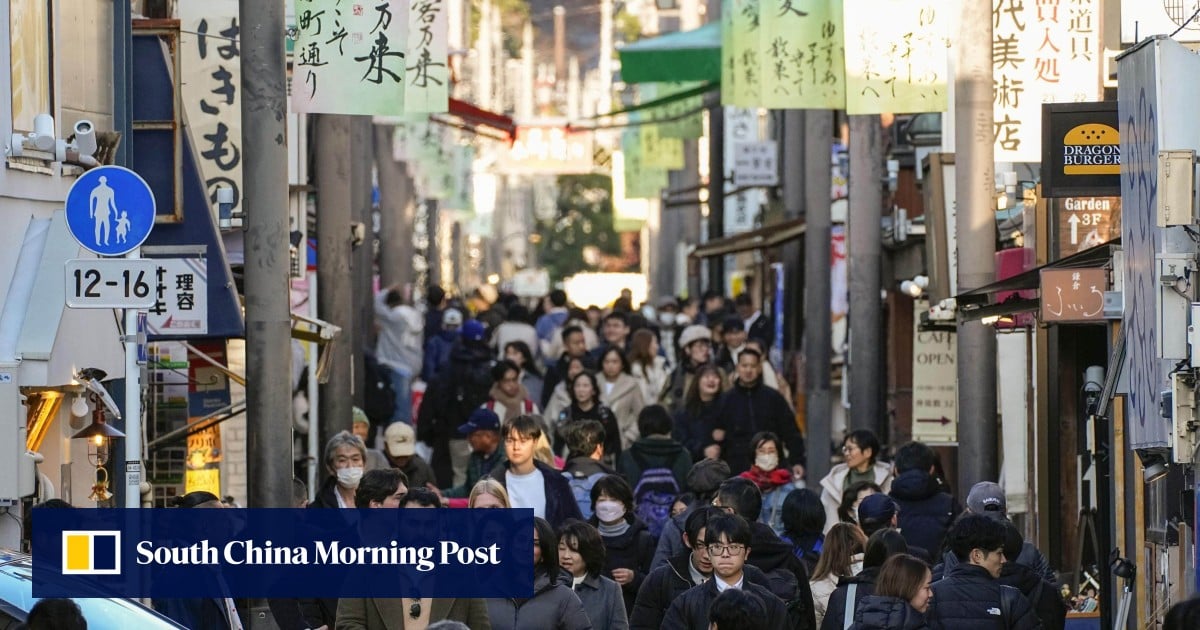
The article reports that Hong Kong travelers are increasing their trips over the Christmas holiday period compared to the previous year. Traditional destinations in Japan remain popular despite geopolitical tensions between Japan and China. However, mainland Chinese locations such as Harbin and Yunnan are gaining appeal. Some industry insiders suggest that Japan’s popularity among Hong Kong travelers persists despite recent earthquakes and a geopolitical row between Beijing and Tokyo, which previously led to mainland visitors canceling trips.
Key Points:
- Hong Kong travelers are increasing their trips over the Christmas holiday period compared to last year.
- Traditional destinations in Japan remain popular among Hong Kong travelers despite geopolitical tensions and recent earthquakes.
- Mainland Chinese locations like Harbin and Yunnan are gaining appeal among Hong Kong travelers.
- Geopolitical tensions between Japan and China have impacted travel patterns, with some mainland visitors canceling trips due to recent diplomatic disputes.
Actionable Takeaways:
- Diversification of Travel Destinations: Travel agencies and tour operators should consider diversifying their destination offerings to include mainland Chinese locations like Harbin and Yunnan, which are gaining popularity among Hong Kong travelers. This could help mitigate the impact of geopolitical tensions on travel demand.
- Focus on Safety and Security: Given the recent earthquakes in Japan, travel companies should prioritize safety and security in their marketing strategies for Japanese destinations. Highlighting safety measures and providing real-time updates can help reassure travelers.
- Leverage Geopolitical Developments: Travel companies can leverage the current geopolitical situation to their advantage by promoting Japan as a safe and stable destination. This could involve targeted marketing campaigns that emphasize Japan’s resilience and attractiveness as a travel destination.
Contextual Insights:
The article reflects the ongoing impact of geopolitical tensions on travel patterns, particularly between Japan and China. Despite these tensions, traditional destinations in Japan continue to attract Hong Kong travelers, indicating a resilient demand for Japanese tourism. The growing appeal of mainland Chinese locations suggests a shift in travel preferences among Hong Kong tourists, possibly driven by factors such as cost, accessibility, or cultural experiences. This trend highlights the importance of understanding and adapting to evolving consumer preferences in the travel industry. Furthermore, the article underscores the significance of safety and security in travel decisions, especially in the context of natural disasters like earthquakes. Travel companies must prioritize safety measures and transparent communication to build trust with travelers and maintain market confidence.
Read the Complete Article.



