













Comprehensive Summarization:
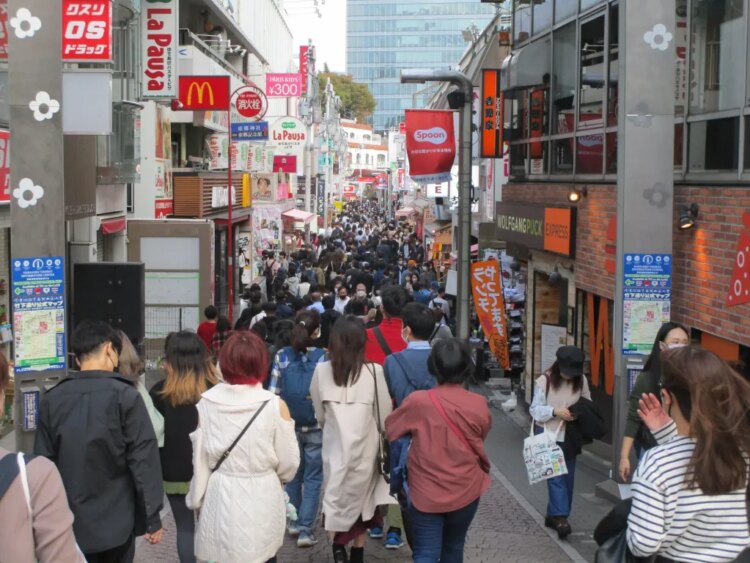
In 2025, Japan experienced a significant surge in tourism, with a record 42.7 million visitors, surpassing the previous high of 36.9 million in 2024. This achievement marks a substantial 22% increase in visitors from Europe, the U.S., and Australia, signaling a robust post-pandemic recovery. The Ministry of Land, Infrastructure, Transport and Tourism’s Minister, Yasushi Kaneko, expressed satisfaction with the milestone, noting it as a significant step towards Japan’s goal of 60 million tourist arrivals by 2030. The influx of foreign tourists contributed to a record spending of 9.5 trillion yen ($60 billion), up from 8.1 trillion yen in the previous year. These figures underscore Japan’s growing appeal as a global travel destination and highlight the country’s strategic position in the international tourism market.
Key Points:
- Japan recorded a record 42.7 million tourist arrivals in 2025, surpassing the previous high of 36.9 million in 2024.
- The increase in visitors was primarily driven by a 22% rise in arrivals from Europe, the U.S., and Australia.
- Foreign tourists spent a record 9.5 trillion yen ($60 billion) in Japan in 2025, up from 8.1 trillion yen in 2024.
- The Ministry of Land, Infrastructure, Transport and Tourism’s Minister, Yasushi Kaneko, highlighted the milestone as a significant achievement towards Japan’s goal of 60 million tourist arrivals by 2030.
Actionable Takeaways:
-
Enhanced Marketing Strategies: The surge in tourist arrivals presents an opportunity for Japan to refine its marketing strategies, focusing on regions that showed increased interest, such as Europe, the U.S., and Australia. This could involve targeted campaigns to attract more visitors from these regions, leveraging digital platforms and partnerships with travel agencies.
-
Investment in Tourism Infrastructure: With the record spending of 9.5 trillion yen, there is a clear indication of strong consumer spending power. Japan could invest in enhancing tourism infrastructure, such as improving transportation networks, expanding accommodation options, and enhancing visitor services, to further boost the travel experience and encourage repeat visits.
-
Leveraging Technology for Seamless Travel Experiences: The article does not explicitly mention technological advancements, but the context of a post-pandemic recovery suggests a potential focus on digital solutions. Travel startups and fintech companies could explore innovations in online booking systems, contactless payments, and personalized travel experiences to cater to the evolving needs of modern travelers.
Contextual Understanding:
The article reflects a post-pandemic recovery phase in Japan’s tourism sector, characterized by a significant increase in visitor numbers and spending. This resurgence is crucial for Japan’s economic recovery, as tourism is a major contributor to the country’s GDP. The emphasis on European, U.S., and Australian visitors indicates a strategic shift in marketing efforts, aligning with the travel preferences and spending capacities of these regions. The focus on digital solutions and infrastructure improvements suggests a forward-looking approach, anticipating the growing demand for seamless, tech-driven travel experiences. These insights are pertinent to understanding the current dynamics of the travel industry and the strategic priorities of countries like Japan in regaining their pre-pandemic tourism momentum.
Handling Different Article Types:
The article is a news blurb, providing factual information about Japan’s tourism statistics and economic impact. For such articles, the focus is on presenting accurate, concise information that is directly sourced from the article. The structured output format ensures that the key points and actionable takeaways are clearly delineated, making the information easily digestible for a professional audience. This approach is consistent with the requirements for news blurbs, where the emphasis is on factual accuracy and brevity.
Read the Complete Article.



