












Comprehensive Summarization:
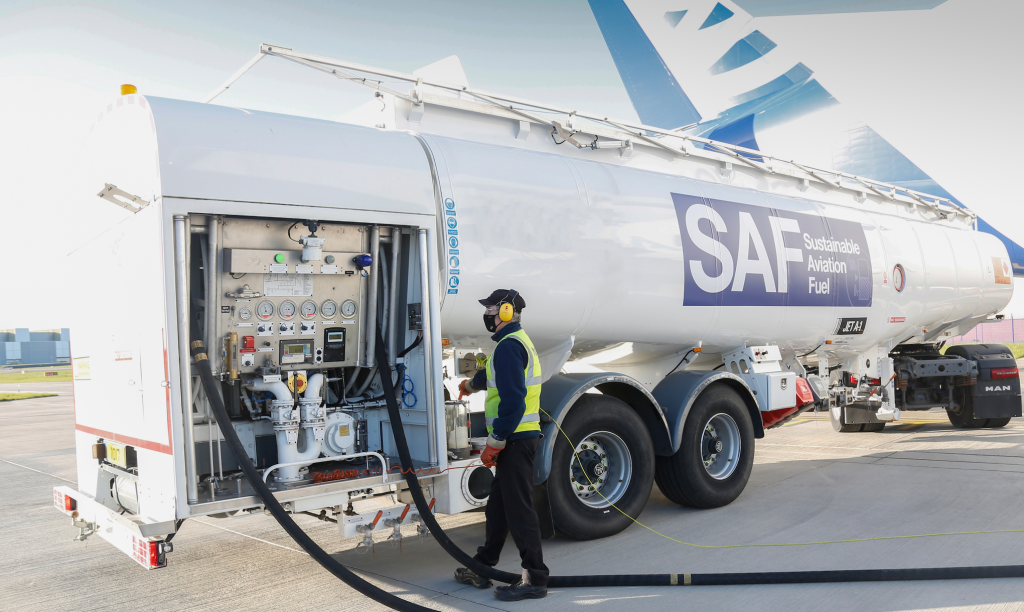
The article discusses the challenges airlines face in meeting climate mandates and their own net-zero targets, particularly due to the scarcity and high cost of sustainable aviation fuel (SAF). Despite governments pushing carriers to use more SAF, the supply remains limited, mainly derived from used cooking oil. The article introduces hydrothermal liquefaction (HTL) as a promising new technology that converts sewage into jet fuel, offering a potential solution to the SAF supply issue. However, the production of SAF via HTL has not kept pace with policy ambitions, with more HTL plants canceled than approved in 2025. The article highlights the broader context of travel tech innovations, emphasizing the need for sustainable solutions in the aviation industry.
Key Points:
- Airlines are struggling to meet climate mandates and net-zero targets due to the limited and expensive supply of sustainable aviation fuel (SAF).
- Governments are pushing carriers to use more SAF, prompting airlines to explore new technologies.
- Hydrothermal liquefaction (HTL) is emerging as a new technology that converts sewage into jet fuel, offering a potential solution to the SAF supply problem.
- The production of SAF via HTL has not kept pace with policy ambitions, with more HTL plants canceled than approved in 2025.
Actionable Takeaways:
-
Invest in Sustainable Aviation Fuel Technologies: Airlines and aviation stakeholders should invest in emerging technologies like HTL to diversify SAF supply sources and meet climate mandates. This is crucial as the current supply of SAF is insufficient to meet industry targets, and traditional sources like used cooking oil are limited.
-
Policy Support for Innovative SAF Production: Governments should provide policy support and incentives for innovative SAF production methods, such as HTL, to accelerate their adoption. This could include subsidies, tax breaks, or regulatory frameworks that encourage the development and scaling of these technologies.
-
Collaboration Between Airlines and Startups: Airlines should collaborate with startups and research institutions developing innovative SAF production methods. This partnership can facilitate technology transfer, reduce costs, and accelerate the commercialization of sustainable aviation fuels, ensuring airlines can meet their net-zero targets more effectively.
Contextual Insights:
The article reflects the ongoing challenges the aviation industry faces in transitioning to more sustainable practices. The push for SAF is driven by regulatory pressures and the industry’s commitment to reducing its carbon footprint. However, the current limitations in SAF supply highlight the need for innovative solutions like HTL. This aligns with broader travel tech trends focusing on sustainability and reducing environmental impact. As the industry moves towards net-zero goals, the adoption of such technologies will be pivotal in shaping the future of air travel. The insights provided underscore the importance of innovation, policy support, and collaboration in overcoming the current barriers to sustainable aviation fuel production.
Read the Complete Article.



