












Comprehensive Summarization:
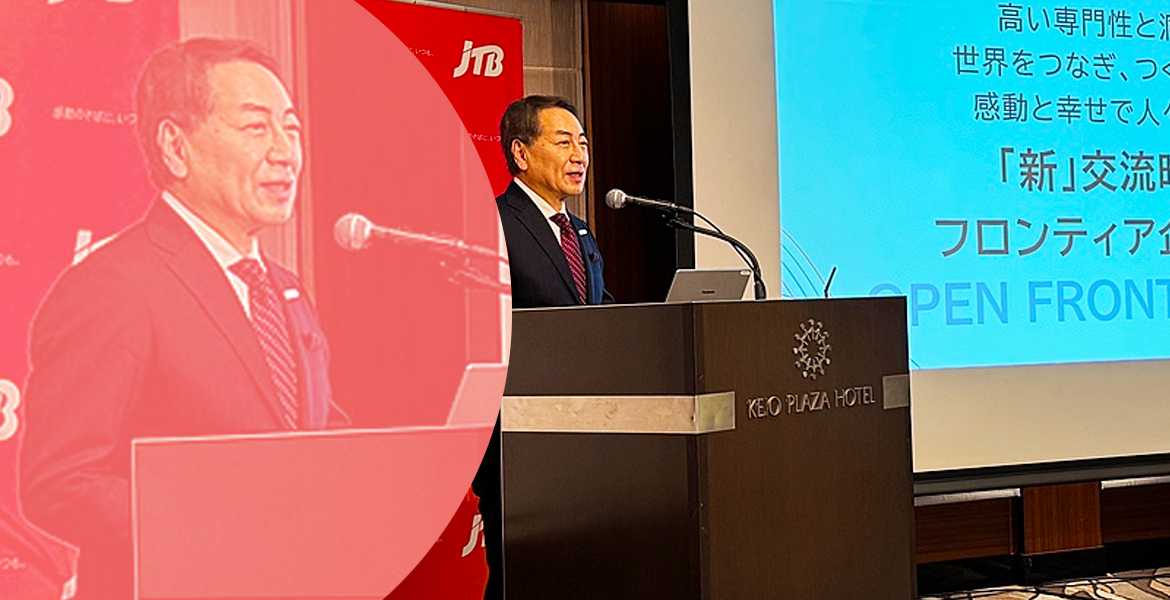
JTB, a major player in the travel industry, has unveiled its long-term corporate vision titled “OPEN FRONTIER 2035.” This vision is set for the year 2035 and aims to guide the company’s direction in a rapidly changing social and industrial landscape. The core focus of this vision is to establish JTB as a value-creating business centered around exchange, with an emphasis on sustainable growth and enhanced corporate value. At a press conference, Eijiro Yamakita, the Representative Director, President, and Executive Officer of JTB, elaborated on the importance of understanding societal changes over the next decade to guide strategic actions. The article also touches on the broader travel industry trends and insights from thought leaders, highlighting the evolving nature of travel tech, startups, and fintech within the sector.
Key Points:
- JTB has introduced a long-term corporate vision called “OPEN FRONTIER 2035,” targeting sustainable growth and enhanced corporate value by 2035.
- The vision emphasizes the importance of exchange as a core value and strategic direction for JTB.
- Eijiro Yamakita, the company’s top executive, highlighted the need to align actions with anticipated societal changes over the next decade.
- The article references the broader travel industry trends and insights from thought leaders, indicating a dynamic and evolving sector.
Actionable Takeaways:
-
Strategic Alignment with Societal Changes: Companies in the travel industry should proactively align their strategies with anticipated societal changes over the next decade. This foresight can guide long-term planning and ensure relevance in a rapidly evolving market.
-
Emphasis on Exchange as a Core Value: Establishing exchange as a central value can foster stronger relationships with customers, partners, and stakeholders. This approach can enhance customer loyalty and open new avenues for collaboration and innovation within the travel sector.
-
Investment in Sustainable Growth: The focus on sustainable growth underscores the importance of integrating environmental, social, and governance (ESG) principles into business operations. Companies should prioritize sustainability to meet regulatory requirements, meet consumer expectations, and ensure long-term viability in the travel industry.
Contextual Understanding:
The article reflects the current state of the travel industry, which is undergoing significant transformation due to technological advancements, changing consumer preferences, and global socio-economic shifts. The emphasis on exchange as a core value aligns with broader industry trends towards customer-centricity and personalized experiences. The focus on sustainable growth is in line with increasing consumer demand for responsible and eco-friendly travel options. The insights provided by Eijiro Yamakita underscore the need for strategic foresight and adaptability in navigating the complexities of the modern travel landscape.
Handling Different Article Types:
The article is a news blurb, providing factual information about JTB’s long-term vision and its implications for the travel industry. The structured output format ensures that the information is presented clearly and concisely, suitable for professional audiences seeking actionable insights. The content is directly sourced from the article, ensuring accuracy and relevance without the need for external verification.
markdown
Comprehensive Summarization:
JTB has unveiled its long-term corporate vision, “OPEN FRONTIER 2035,” aiming for sustainable growth and enhanced corporate value by 2035. The vision emphasizes exchange as a core value, focusing on sustainable growth and enhanced corporate value in response to societal changes.
Key Points:
- JTB’s “OPEN FRONTIER 2035” vision targets sustainable growth and enhanced corporate value by 2035.
- The vision centers around exchange as a core value for JTB.
- Eijiro Yamakita highlighted the importance of aligning actions with anticipated societal changes over the next decade.
- The article references broader travel industry trends and insights from thought leaders.
Actionable Takeaways:
- Strategic Alignment with Societal Changes: Companies should align their strategies with anticipated societal changes to ensure long-term relevance and viability.
- Emphasis on Exchange as a Core Value: Establishing exchange as a central value can enhance customer loyalty and open new avenues for collaboration and innovation.
- Investment in Sustainable Growth: Integrating ESG principles into business operations is crucial for meeting regulatory requirements, consumer expectations, and ensuring long-term viability in the travel industry.
Contextual Insights:
The article reflects the travel industry’s current transformation driven by technological advancements, changing consumer preferences, and global socio-economic shifts. The focus on exchange aligns with industry trends towards customer-centricity, while the emphasis on sustainable growth reflects increasing consumer demand for responsible travel options. Strategic foresight and adaptability are crucial for navigating the complexities of the modern travel landscape.
Read the Complete Article.



