













Comprehensive Summarization:
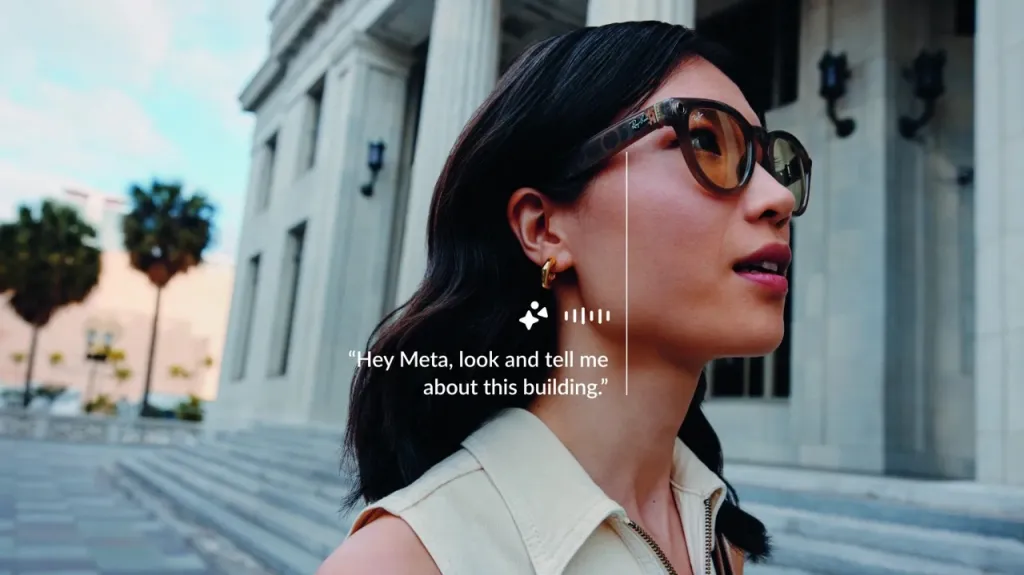
Meta’s fourth-quarter earnings call highlighted several product developments that are particularly relevant to the travel industry. The announcements included extended user tracking for improved attribution, AI agents for conversational commerce, and smart glasses capable of capturing real-world experiences. These advancements suggest a significant shift in how travel brands can engage and convert customers. For instance, travel companies like London North Eastern Railway, Air India, and MakeMyTrip are leveraging WhatsApp for various customer interactions, including bookings, updates, support, and upsells. The app’s growing capabilities indicate a trend towards more integrated and personalized travel experiences, leveraging both digital and augmented reality technologies.
Key Points:
- Meta’s earnings call discussed product advancements including extended user tracking, AI agents for conversational commerce, and smart glasses for capturing real-world experiences.
- These technologies are poised to transform how travel brands reach and convert customers by enhancing customer attribution, enabling more personalized interactions, and providing immersive experiences.
- Travel companies such as London North Eastern Railway, Air India, and MakeMyTrip are increasingly using WhatsApp for customer communications, including bookings, updates, support, and upselling.
- The article underscores a broader trend in travel tech where digital and augmented reality technologies are becoming integral to enhancing customer engagement and operational efficiency.
Actionable Takeaways:
-
Enhance Customer Attribution with Extended Tracking: Implement Meta’s extended user tracking capabilities to better understand customer journeys and improve attribution. This can lead to more effective marketing strategies and higher conversion rates by ensuring that marketing efforts are accurately measured and optimized.
-
Leverage AI Agents for Conversational Commerce: Integrate AI agents into travel platforms to offer conversational commerce experiences. This can streamline customer interactions, provide instant support, and facilitate smoother booking processes, ultimately enhancing customer satisfaction and loyalty.
-
Utilize Smart Glasses for Immersive Experiences: Explore the use of smart glasses to offer immersive, real-world experiences to travelers. This technology can be particularly valuable for showcasing destinations, providing interactive guides, and enhancing the overall travel experience, thereby setting travel brands apart in a competitive market.
Contextual Insights:
The article reflects the ongoing integration of advanced technologies in the travel industry, driven by the need for more personalized and efficient customer interactions. The shift towards using platforms like WhatsApp for customer communications highlights a broader trend towards omnichannel engagement, where customers expect seamless experiences across multiple channels. The introduction of AI agents and smart glasses underscores the industry’s move towards immersive and interactive technologies, aiming to create memorable and engaging travel experiences. These developments are particularly relevant for travel startups and fintech innovations, as they present opportunities to leverage technology for operational efficiency and customer delight. As the travel industry continues to evolve, staying abreast of these technological advancements will be crucial for brands looking to maintain a competitive edge.
Read the Complete Article.



