












Comprehensive Summarization:
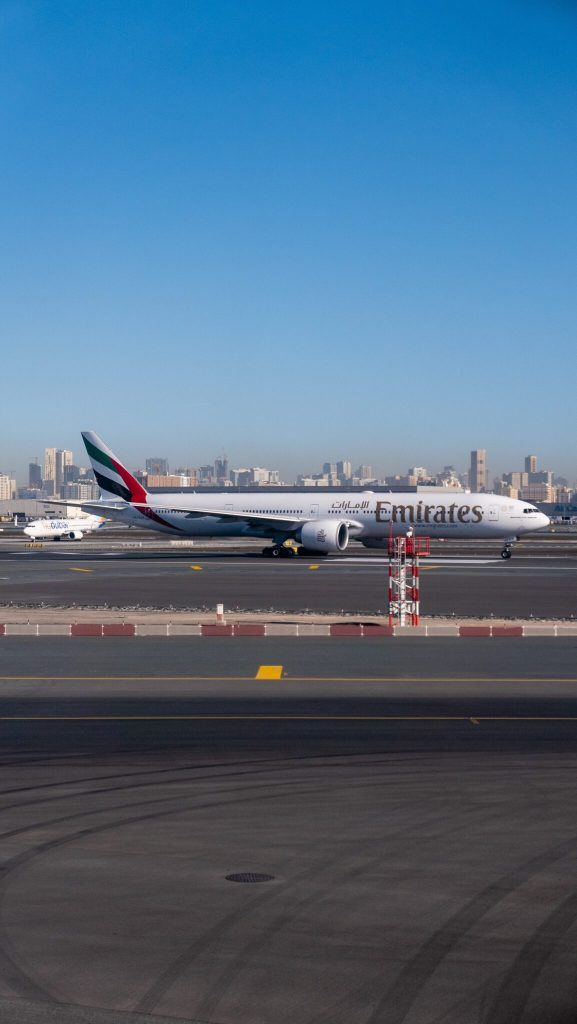
The article reports that approximately one-fourth of flights in the Middle East were canceled as of Saturday afternoon following joint U.S.-Israel attacks on Iran. Out of the 3,592 scheduled flights in the region, 868 were canceled, representing 24% of the scheduled service. The affected countries include the UAE, Bahrain, and Qatar, which house U.S. military bases. President Donald Trump expressed his intention to eliminate Iran’s nuclear program and overthrow its government. The article also touches on the latest travel trends and insights from thought leaders, highlighting the impact of geopolitical events on the travel industry.
Key Points:
- Approximately 24% of flights in the Middle East were canceled as of Saturday afternoon due to joint U.S.-Israel attacks on Iran.
- The canceled flights included routes from the UAE, Bahrain, and Qatar, which are home to U.S. military bases.
- President Donald Trump announced his intention to eliminate Iran’s nuclear program and overthrow its government.
- The article emphasizes the need to understand the impact of geopolitical events on the travel industry.
Actionable Takeaways:
-
Geopolitical Impact on Travel Schedules: The cancellation of 24% of flights in the Middle East due to geopolitical tensions underscores the vulnerability of the travel industry to international conflicts. Travel companies should develop contingency plans to mitigate the impact of such events on their operations and customer bookings.
-
Strategic Reassessment of Routes and Partnerships: In light of the canceled flights, travel companies may need to reassess their route networks and partnerships. This could involve diversifying routes to avoid regions with high geopolitical tensions or strengthening alliances with airlines that operate in more stable regions.
-
Enhanced Risk Management Strategies: The article highlights the importance of risk management in the travel industry. Companies should invest in real-time monitoring of geopolitical situations and develop strategies to quickly adapt their operations, such as flexible ticketing policies or insurance options for travelers affected by cancellations.
Contextual Insights:
The cancellation of a significant portion of flights in the Middle East due to U.S.-Israel attacks on Iran highlights the interconnectedness of global events and the travel industry. This incident underscores the need for travel companies to be proactive in managing risks associated with geopolitical tensions. As the travel industry continues to evolve, with increasing reliance on technology and data-driven decision-making, companies must also invest in advanced risk assessment tools and predictive analytics to anticipate and mitigate the effects of such events. Furthermore, the article’s emphasis on the cancellation of flights from countries housing U.S. military bases suggests a broader trend of travel disruptions tied to military activities, which could have long-term implications for travel planning and consumer behavior. Thought leaders in the industry should continue to explore how these dynamics can be leveraged to innovate in areas such as travel insurance, flexible booking options, and alternative route planning.
Read the Complete Article.



