












Article Summary:
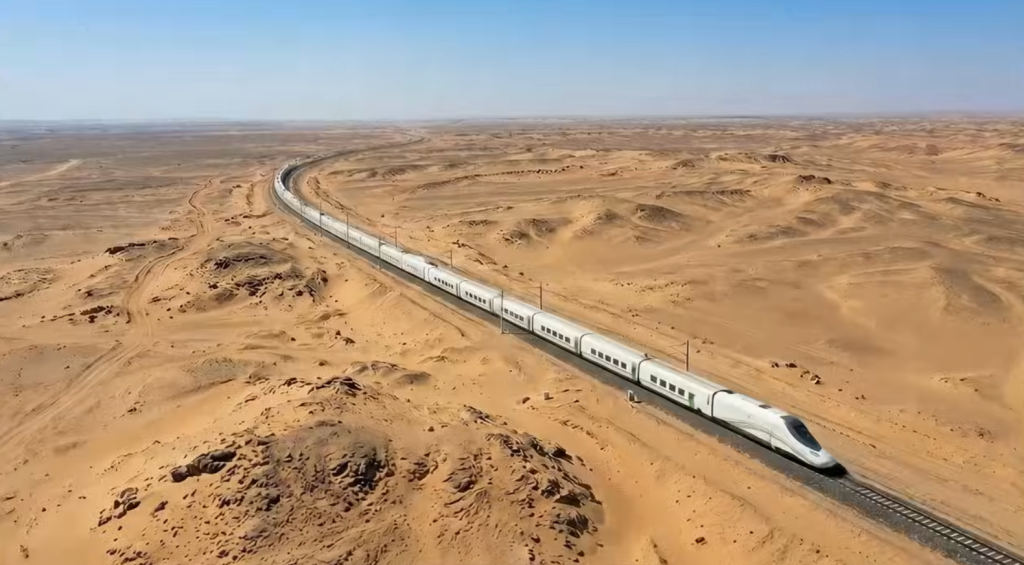
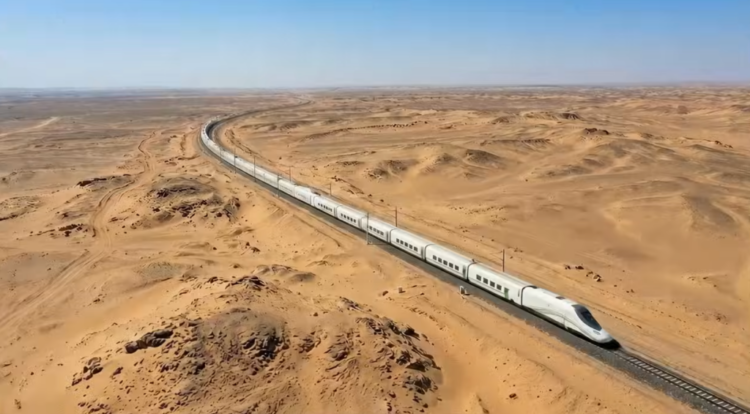
Saudi Arabia and Qatar have announced plans for a 785 km electric high-speed rail link connecting Riyadh and Doha, with stops at King Khalid International Airport and Hamad International Airport. If completed by 2031, this project could become the Gulf’s first international high-speed rail service, significantly reducing travel time between the two capitals and potentially shifting travel patterns by carrying over 10 million passengers annually.
Key Points:
- The project aims to connect Riyadh and Doha, with stops at major airports.
- Completion is expected by 2031, marking the Gulf’s first international high-speed rail service.
- Qatar’s government estimates the route could carry more than 10 million passengers annually.
- The train is expected to cut travel time between the two capitals to two hours.
Actionable Takeaways:
- Decarbonization of Regional Travel: The high-speed rail project represents a significant step towards decarbonizing regional travel in the Gulf. By reducing reliance on air travel, the project could contribute to lower carbon emissions, aligning with global sustainability goals. This aligns with the travel industry’s trend towards eco-friendly innovations and could set a precedent for future sustainable transportation projects in the region.
- Potential Shift in Travel Patterns: With an estimated capacity to carry over 10 million passengers annually, the rail link could significantly alter travel habits between Saudi Arabia and Qatar. This shift could have broader implications for regional tourism, business travel, and airport operations, potentially reducing congestion at existing airports and encouraging more sustainable travel choices.
- Innovation in Travel Tech: The development of this high-speed rail service highlights advancements in travel technology, particularly in electric rail infrastructure. This project could spur further innovation in the travel tech sector, encouraging the development of similar projects and fostering a competitive environment for sustainable transportation solutions. It also underscores the importance of integrating technology in travel planning and logistics to meet future demand efficiently.
Contextual Insights:
The announcement of the high-speed rail link between Saudi Arabia and Qatar reflects broader trends in the travel industry towards sustainable and efficient transportation solutions. As global travel continues to recover post-pandemic, there is an increasing emphasis on reducing carbon footprints and enhancing travel experiences through technological advancements. This project not only aligns with these trends but also positions the Gulf region as a leader in innovative transportation solutions. Furthermore, the potential for reducing travel time and shifting travel patterns could have significant economic and environmental impacts, influencing future travel policies and investments in sustainable infrastructure. The project also signals a growing interest in high-speed rail as a viable alternative to air travel, a trend that is likely to gain momentum as more regions explore similar initiatives.
Read the Complete Article.



